



Luigi Infused Fatone: An Educational Guide to Infused Cannabis Pre-Roll Categories
Introduction
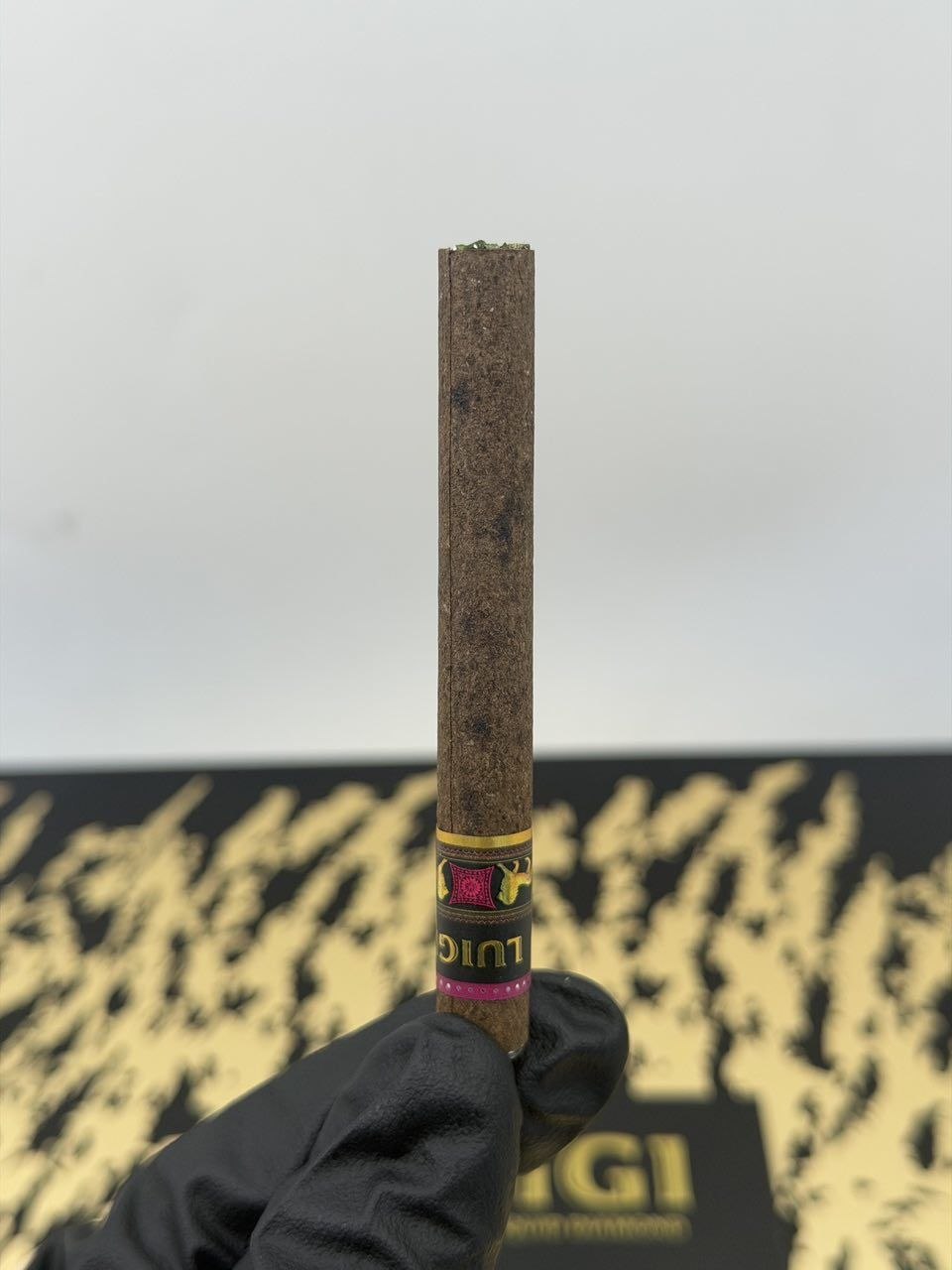
The luigi infused fatone product name can be understood within the broader category of infused cannabis pre-roll products. While product names often reflect branding and product identity, understanding a cannabis product requires examining the larger framework of product classification, manufacturing concepts, packaging standards, documentation practices, and regulatory oversight.
Infused pre-rolls represent one category of cannabis products available in regulated markets. Like other regulated cannabis products, they are generally supported by structured manufacturing records, packaging requirements, product identification systems, and quality-management processes. Learning about these systems provides context for understanding how products are documented and managed throughout their lifecycle.
This educational guide focuses on factual information about infused pre-roll categories, industry terminology, manufacturing workflows, labeling practices, and consumer education rather than commercial promotion.
Understanding Infused Pre-Rolls
An infused pre-roll is a cannabis pre-roll that includes additional cannabis-derived materials as part of its formulation, depending on the manufacturer’s documented production process and applicable regulations. The specific composition and manufacturing approach may differ among producers.
Infused pre-rolls are generally classified according to documented product characteristics rather than branding alone. Understanding these classifications helps readers interpret product information more accurately.
General topics associated with infused pre-rolls include:
- Product classification
- Manufacturing workflows
- Packaging systems
- Documentation practices
- Regulatory oversight
Official product documentation remains the most reliable source for product-specific information.
Product Classification
Cannabis products may be classified using several characteristics that help distinguish one category from another.
Classification factors commonly include:
- Product format
- Manufacturing method
- Packaging configuration
- Regulatory category
- Product identification
These classifications assist manufacturers, retailers, and regulators in organizing products within inventory and documentation systems.
Manufacturing Overview
Infused pre-roll products are typically produced using structured manufacturing procedures designed to maintain consistency and documentation.
Although manufacturing methods vary among facilities, a general workflow may include:
- Material preparation
- Production planning
- Assembly
- Inspection
- Packaging
- Documentation
- Distribution
Each stage contributes information that becomes part of the product’s manufacturing history.
Packaging and Product Information
Packaging protects products while communicating important factual information.
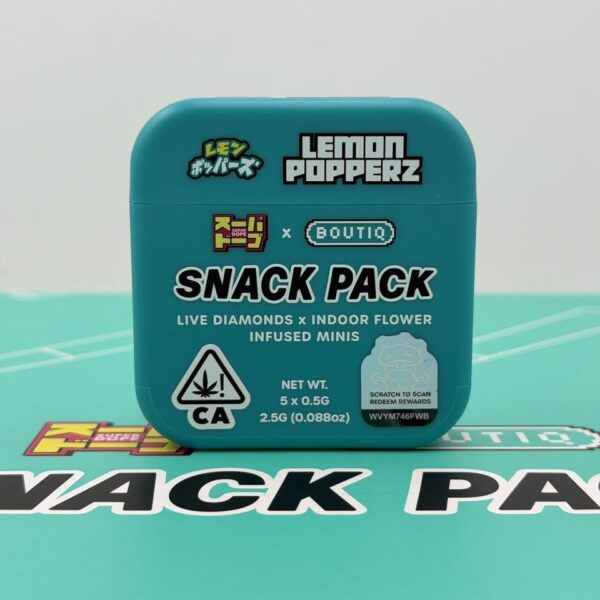
Depending on local regulations, packaging may include:
- Product name
- Manufacturer information
- Batch or lot number
- Quantity information
- Packaging date
- Storage guidance
- Required legal notices
Reviewing official packaging helps consumers understand documented product information more accurately.
Documentation and Traceability
Documentation is an essential part of regulated cannabis industries. Production records help connect finished products with manufacturing activities while supporting inventory management and regulatory compliance.
Documentation may include:
- Product specifications
- Production logs
- Batch documentation
- Packaging records
- Inventory records
- Quality-management files
Traceability systems organize these records and maintain a documented history throughout manufacturing and distribution.
Quality-Management Concepts
Quality-management systems help manufacturers organize production procedures and maintain consistent documentation.
General quality-management activities may include:
- Reviewing manufacturing records
- Monitoring production procedures
- Inspecting packaging
- Updating documentation
- Managing inventory information
Specific practices vary depending on manufacturer standards and applicable regulations.
Storage and Handling
Manufacturers may provide storage recommendations based on product characteristics and packaging design.
General considerations include:
- Keeping products in original packaging
- Following manufacturer instructions
- Protecting packaging from unsuitable environmental conditions
- Storing products securely in accordance with local regulations
Storage recommendations differ according to the product and jurisdiction.
Consumer Education
Understanding cannabis terminology helps consumers interpret labels, documentation, and educational resources with greater confidence.
Useful educational topics include:
- Product categories
- Packaging terminology
- Manufacturing concepts
- Documentation systems
- Regulatory language
- Product identification practices
Learning these concepts encourages informed research and supports accurate interpretation of product information.
Frequently Asked Questions
What is an infused pre-roll?
An infused pre-roll is a category of cannabis pre-roll that incorporates additional cannabis-derived materials according to the manufacturer’s formulation and applicable regulations.
Why are batch numbers important?
Batch numbers connect products with manufacturing records and support traceability throughout the supply chain.
Why is documentation maintained?
Documentation supports manufacturing organization, quality management, inventory control, and regulatory compliance.
Why should consumers review product labels?
Product labels provide factual information about product identification, packaging, storage guidance, and applicable regulatory notices.
The Luigi Infused Fatone product name can be better understood by examining broader concepts such as cannabis product classification, manufacturing systems, packaging standards, documentation practices, and regulatory oversight.
By focusing on technical terminology, reliable documentation, and awareness of regulated manufacturing processes, readers can develop a clearer understanding of infused cannabis pre-roll categories without relying solely on branding or marketing language.
Luigi Infused Fatone: Manufacturing Systems, Documentation, and Product Information
Introduction
Understanding a product such as Luigi Infused Fatone involves more than recognizing its name. Within regulated cannabis industries, products are supported by structured manufacturing systems, documentation practices, packaging standards, and inventory management processes. These systems help manufacturers organize production while providing consumers and regulators with reliable product information.
This educational section explains general manufacturing concepts, documentation methods, quality-management systems, and traceability practices commonly associated with infused cannabis pre-roll categories.
Manufacturing Workflow
Regulated manufacturing facilities typically organize production through documented workflows. Although individual procedures differ between manufacturers, production commonly follows several major stages.
A general workflow may include:
- Product planning
- Material preparation
- Assembly
- Quality inspection
- Packaging
- Documentation
- Distribution
Each stage contributes information that becomes part of the product’s manufacturing history.
Material Management
Before production begins, manufacturers organize and document the materials required for manufacturing. Accurate material management supports production planning and inventory control.
Material records may include:
- Material identification
- Inventory references
- Batch assignments
- Storage information
- Production schedules
Maintaining organized records improves efficiency and supports traceability throughout manufacturing.
Product Assembly
Assembly procedures vary depending on product type and facility design. During this stage, manufacturers follow documented procedures while creating production records that support quality management.
Assembly documentation may include:
- Production dates
- Batch references
- Process records
- Inspection results
- Packaging preparation
These records provide a documented history of production activities.
Product Specifications
Manufacturers maintain product specifications that describe identifying characteristics and production requirements. Specifications help maintain consistency across production batches and provide a reference for manufacturing processes.
Specifications may address:
- Product format
- Packaging configuration
- Identification standards
- Documentation requirements
- Internal manufacturing references
These documents are commonly maintained within broader quality-management systems.
Packaging Standards
Packaging serves both protective and informational purposes. It protects products during storage and transportation while communicating documented information to consumers and regulators.
Packaging may include:
- Product name
- Manufacturer information
- Batch or lot number
- Quantity information
- Packaging date
- Storage guidance
- Regulatory notices
Packaging requirements differ depending on applicable laws and regulations.
Documentation and Traceability
Documentation connects products with manufacturing records throughout the supply chain. Traceability systems use these records to organize information related to production, storage, and distribution.
Documentation commonly includes:
- Production logs
- Batch documentation
- Packaging records
- Inventory reports
- Distribution records
- Quality-management files
Accurate documentation supports transparency and product identification.
Quality-Management Systems
Quality-management systems help manufacturers organize production activities and maintain documentation. These systems contribute to consistent manufacturing and reliable recordkeeping.
General quality-management practices may include:
- Reviewing production procedures
- Inspecting finished products
- Verifying packaging information
- Maintaining documentation
- Updating inventory records
Specific practices vary according to manufacturer standards and regulatory requirements.
Researching Product Information
Consumers and researchers often consult several reliable sources to understand cannabis product categories. Comparing information from official documentation and educational resources helps create a balanced understanding.
Helpful research practices include:
- Reading official product documentation
- Learning technical terminology
- Reviewing regional regulations
- Comparing multiple reliable sources
- Distinguishing factual information from promotional material
This approach supports informed interpretation of product information.
Frequently Asked Questions
Why are manufacturing records maintained?
Manufacturing records provide an organized history of production activities while supporting inventory management and traceability.
What is traceability?
Traceability is a documented system that connects products with manufacturing, packaging, storage, and distribution records.
Why are product specifications important?
Specifications describe documented product characteristics and help manufacturers maintain consistency during production.
Why should consumers understand industry terminology?
Understanding technical terminology makes labels, documentation, and educational resources easier to interpret.
The Luigi Infused Fatone product category can be better understood by examining manufacturing workflows, product specifications, documentation practices, packaging standards, and traceability systems. These structured processes support product identification, inventory management, and regulatory compliance throughout the product lifecycle.
By focusing on documentation, accurate terminology, and reliable information, readers can develop a clearer understanding of infused cannabis pre-roll categories and the organized systems that support them within regulated markets.
Luigi Infused Fatone: Regulatory Frameworks, Product Labeling, Consumer Education, and Environmental Considerations
Products such as Luigi Infused Fatone are part of a broader category of regulated cannabis products. Beyond the product name, these items are supported by systems for manufacturing, documentation, labeling, inventory management, and regulatory compliance. Understanding these systems provides valuable context for interpreting product information and learning how regulated cannabis products are identified throughout their lifecycle.
This educational guide focuses on general concepts rather than product promotion. It explains how regulatory frameworks, packaging standards, documentation practices, and consumer education contribute to transparency in regulated cannabis markets.
Regulatory Frameworks
Cannabis laws differ across countries, states, provinces, and territories. Regulatory authorities establish requirements that influence how products are manufactured, packaged, labeled, transported, and documented.
Regulatory areas commonly include:
- Manufacturing practices
- Product identification
- Packaging standards
- Labeling requirements
- Recordkeeping procedures
- Inventory tracking
- Distribution documentation
Because regulations change over time, manufacturers and businesses are expected to follow the rules that apply in the jurisdictions where they operate.
Product Labeling
Product labels provide factual information that helps identify a product and connect it with manufacturing records. Labels serve as an important communication tool for consumers, retailers, and regulators.
Depending on local requirements, labels may include:
- Product name
- Manufacturer information
- Batch or lot number
- Packaging date
- Quantity information
- Storage guidance
- Required legal notices
Reviewing complete product labels helps readers understand documented information more accurately than relying on branding or packaging design alone.
Documentation and Traceability
Documentation supports product organization throughout manufacturing and distribution. Manufacturers create records that connect products with production activities, packaging, inventory, and transportation.
Common documentation includes:
- Production records
- Batch documentation
- Packaging records
- Inventory logs
- Distribution records
- Quality-management files
Traceability systems organize these records, making it possible to follow products through different stages of the supply chain.
Quality Management
Quality-management systems help manufacturers organize production procedures and maintain accurate documentation. Although specific practices differ between facilities, structured quality systems support consistency and accountability.
General quality-management activities may include:
- Reviewing manufacturing procedures
- Monitoring production records
- Inspecting packaging
- Maintaining documentation
- Updating product specifications
These activities contribute to organized manufacturing operations and reliable information management.
Consumer Education
Learning industry terminology helps consumers understand product labels, educational resources, and official documentation. A basic understanding of technical language makes it easier to interpret information objectively.
Useful educational topics include:
- Cannabis product classifications
- Packaging terminology
- Documentation systems
- Manufacturing concepts
- Inventory management
- Regulatory language
Developing familiarity with these concepts encourages informed research and a better understanding of regulated product categories.
Environmental Considerations
Cannabis products are commonly packaged using materials such as paper, cardboard, glass, plastic, or metal. Disposal and recycling practices vary depending on local regulations and available waste-management programs.
General environmental practices include:
- Following local recycling guidance
- Separating recyclable materials where appropriate
- Disposing of packaging responsibly
- Learning about community recycling programs
Responsible waste management helps reduce environmental impact and supports sustainability initiatives.
Common Industry Terms
Infused Pre-Roll: A cannabis pre-roll that includes additional cannabis-derived materials according to the manufacturer’s documented formulation.
Batch Number: A unique identifier assigned to a specific production group.
Traceability: A documented process that connects products with manufacturing and distribution records.
Quality Management: Organized procedures used to support consistent manufacturing and documentation.
Product Specification: A document describing a product’s identifying characteristics and production requirements.
Inventory Management: Systems used to organize and monitor products during storage and distribution.
Frequently Asked Questions
Why do labeling requirements differ between locations?
Different jurisdictions establish different legal requirements, so labeling standards may vary depending on local regulations.
Why are batch numbers important?
Batch numbers connect products with manufacturing records and support inventory organization and traceability.
Why should consumers review official documentation?
Official documentation provides factual information about product identification, packaging, and regulatory requirements.
Why is documentation maintained?
Documentation supports manufacturing organization, quality management, inventory control, and compliance with applicable regulations.
Looking Ahead
Technology continues to improve information management across regulated industries. Digital documentation, enhanced inventory systems, and standardized labeling practices may make product information more accessible and easier to organize.
Potential developments include:
- Expanded electronic recordkeeping
- Improved inventory tracking
- Enhanced documentation systems
- Standardized labeling formats
- Greater availability of educational resources
These developments may strengthen transparency and improve communication among manufacturers, regulators, retailers, and consumers.
The Luigi Infused Fatone product category can be understood more effectively by examining the broader systems that support regulated cannabis manufacturing. Documentation, packaging, labeling, traceability, quality management, and regulatory oversight all contribute to how products are identified and managed.
Understanding these concepts helps readers interpret product information with greater confidence while emphasizing factual documentation, technical terminology, and awareness of regulatory practices rather than marketing or promotional claims.
Additional Educational Content: Product Lifecycle, Information Management, and Industry Best Practices
Understanding the Product Lifecycle
Products within regulated cannabis markets move through a structured lifecycle that begins long before they appear on a retail shelf. This lifecycle includes planning, manufacturing, packaging, documentation, storage, distribution, and record retention. At each stage, information is created to support organization, transparency, and regulatory compliance.
A typical product lifecycle may involve:
- Product planning
- Material management
- Manufacturing activities
- Packaging and labeling
- Inventory control
- Distribution documentation
- Record retention
Each phase contributes to a documented history that helps identify products throughout the supply chain.
Product Information Management
Information management is an important aspect of regulated manufacturing. Manufacturers typically maintain organized records that connect products with production activities, packaging details, and inventory information.
Information systems may include records relating to:
- Product identification
- Manufacturing dates
- Batch or lot references
- Packaging information
- Inventory movements
- Distribution documentation
Accurate records improve organization while helping manufacturers maintain consistent documentation practices.
The Value of Standardized Documentation
Standardized documentation creates consistency across production activities. Using structured formats for manufacturing records and inventory reports makes information easier to review and organize.
Standardized documents may include:
- Product specifications
- Production logs
- Packaging records
- Inventory reports
- Distribution records
- Quality review documents
These records help create a reliable information system that supports traceability throughout a product’s lifecycle.
Inventory Control and Organization
Inventory management involves more than counting products. It also includes documenting storage locations, monitoring inventory movement, and maintaining accurate records throughout production and distribution.
Inventory systems commonly record:
- Product quantities
- Batch identifiers
- Storage locations
- Receiving information
- Shipping records
- Internal reference numbers
Many regulated businesses use digital inventory systems to improve efficiency and maintain accurate documentation.
Packaging as a Source of Information
Packaging performs several important functions. In addition to protecting products during storage and transportation, it communicates factual information required for identification.
Depending on regional regulations, packaging may display:
- Product name
- Manufacturer details
- Batch number
- Quantity information
- Packaging date
- Storage guidance
- Required regulatory statements
Reviewing packaging carefully helps readers understand documented product information rather than relying only on product branding.
Learning Technical Terminology
Industry terminology provides a common language for manufacturers, regulators, retailers, and consumers. Understanding these terms can make labels and educational resources easier to interpret.
Examples include:
Batch: A group of products produced during the same manufacturing period.
Lot Number: An identifying reference associated with a production group.
Traceability: The documented ability to connect a product with its manufacturing and distribution records.
Product Specification: A document describing identifying characteristics and production requirements.
Quality Management: Organized procedures used to maintain consistent manufacturing and documentation.
Inventory Control: Systems used to organize products during storage and distribution.
Consumer Research and Information Literacy
Consumers often encounter information from a variety of sources, including manufacturers, government agencies, educational organizations, and news publications. Comparing multiple reliable sources helps build a more complete understanding of product categories.
Good research habits include:
- Reading official documentation.
- Learning technical terminology.
- Reviewing applicable regulations.
- Comparing information from several credible sources.
- Distinguishing factual information from advertising.
These practices encourage informed decision-making and a stronger understanding of regulated industries.
Digital Documentation
Many manufacturers use electronic systems to organize production records and inventory information. Digital documentation can improve accessibility, consistency, and long-term record management.
Electronic systems may support:
- Secure document storage
- Inventory tracking
- Batch documentation
- Production reporting
- Internal quality reviews
- Distribution records
Digital tools continue to evolve alongside manufacturing and regulatory requirements.
Environmental Responsibility
Packaging materials and electronic products can affect waste management systems. Local recycling programs and disposal requirements vary, making it important to follow guidance from local authorities.
General environmental practices include: luigi infused fatone luigi infused fatone luigi infused fatone luigi infused fatone luigi infused fatone luigi infused fatone luigi infused fatone luigi infused fatone luigi infused fatone luigi infused fatone luigi infused fatone luigi infused fatone luigi infused fatone luigi infused fatone luigi infused fatone luigi infused fatone luigi infused fatone luigi infused fatone luigi infused fatone luigi infused fatone luigi infused fatone luigi infused fatone luigi infused fatone luigi infused fatone.
- Separating recyclable materials where appropriate.
- Following local waste-management regulations.
- Using approved recycling programs for eligible materials.
- Learning about community collection services.
Responsible disposal contributes to broader environmental sustainability efforts.
Final Educational Summary
The Luigi Infused Fatone product category can be better understood by examining the broader systems that support regulated cannabis industries. Product identification, standardized documentation, inventory management, packaging, traceability, and regulatory oversight all contribute to how products are organized and managed.
Understanding these concepts provides valuable context beyond product names or branding. By becoming familiar with documentation practices, technical terminology, and information management systems, readers can interpret product information more accurately and appreciate the structured processes that support transparency within regulated cannabis markets.

Reviews
There are no reviews yet.