



Whole Melt Extracts Phase Three 2G Disposable: Factual Product Overview
Introduction
whole melt extracts phase three 2g disposable is a product name used for a cannabis vaporizer in several online listings. Current listings describe Phase Three as a 2-gram disposable and, in several cases, associate it with a dual-chamber design. However, the available descriptions are not fully consistent with one another. Therefore, product-specific information should be verified against the physical packaging, manufacturer documentation, and applicable laboratory report before publication.
The product name itself communicates several useful identifiers. “Whole Melt Extracts” identifies the product or brand name, “Phase Three” identifies the edition or product generation, and “2G” indicates a stated two-gram designation. Nevertheless, those terms do not independently establish cannabinoid concentration, extraction method, ingredient composition, battery specifications, or expected effects.
A reliable product description should consequently distinguish documented information from assumptions. In addition, it should avoid presenting claims from unrelated batches or versions as universal characteristics.
Product Identity
whole melt extracts phase three 2g disposable whole melt extracts phase three 2g disposable whole melt extracts phase three 2g disposable whole melt extracts phase three 2g disposable whole melt extracts phase three 2g disposable whole melt extracts phase three 2g disposable whole melt extracts phase three 2g disposable whole melt extracts phase three 2g disposable whole melt extracts phase three 2g disposable whole melt extracts phase three 2g disposable whole melt extracts phase three 2g disposable.
The exact product identity should be confirmed from the current package before a commercial listing is published.
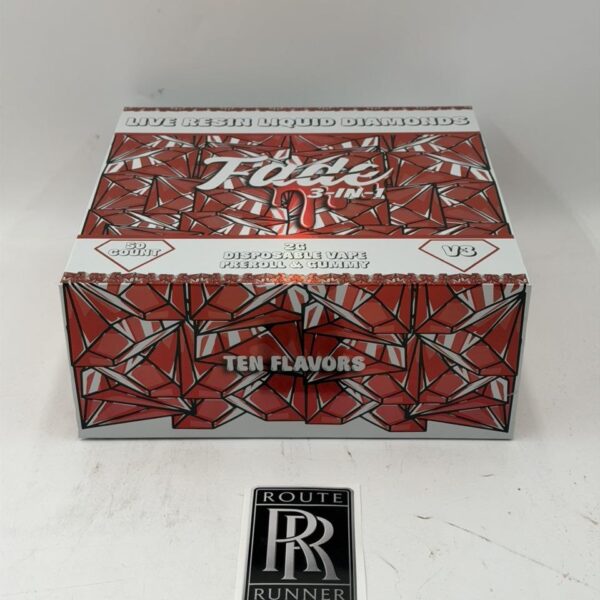
Online listings currently use several closely related names, including “Whole Melt 2G Disposable Phase 3,” “Whole Melt Phase Three Dual Chamber 2G Disposable,” and “Wholemelt Extracts Phase Three V3 Disposable.” This variation matters because different hardware generations or listings may not represent precisely the same product.
Therefore, the product page should reproduce the name shown on the package rather than combining descriptions from multiple versions.
A complete product identity may include the brand, edition, device version, net contents, batch number, manufacturer, and applicable regulatory information. These details should be checked individually.
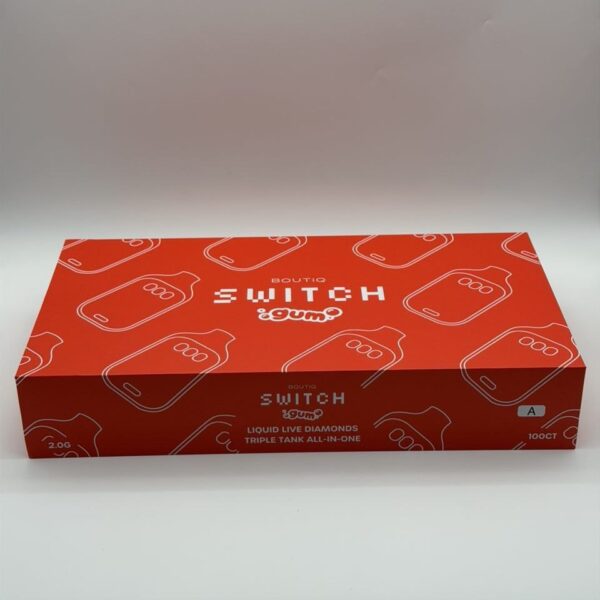
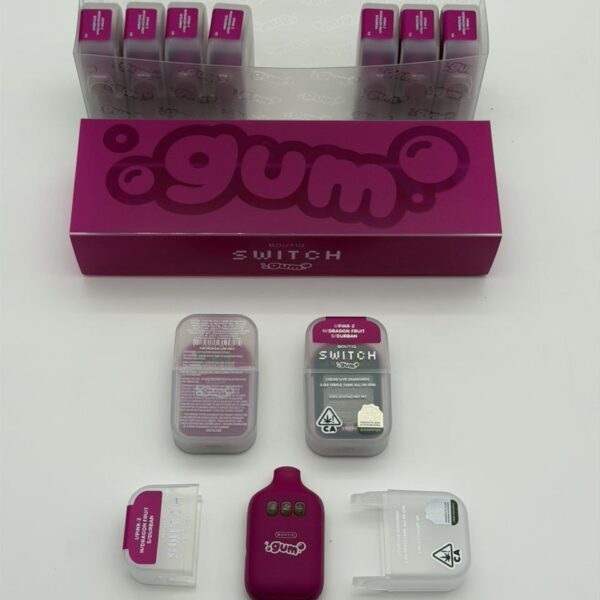
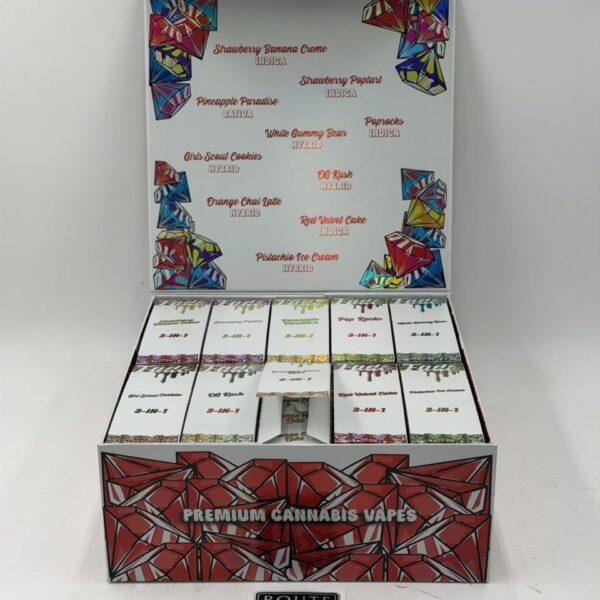
Furthermore, product photographs should correspond with the current inventory. A photograph of one Phase Three version should not automatically be used to represent another version.
The 2G Designation
The “2G” designation generally refers to a stated two-gram quantity or capacity. However, weight and cannabinoid potency are different measurements.
Two grams of product does not, by itself, indicate the percentage of THC, THCA, CBD, or any other cannabinoid. Similarly, the designation does not establish how long a device will last or how many individual uses it provides.
Consequently, the product page should reproduce the exact net-content statement appearing on the manufacturer’s label.
If the package provides measurements in grams, milligrams, milliliters, or another unit, those figures should not be converted without checking whether the manufacturer is describing weight, volume, or active-ingredient quantity.
This distinction is particularly important for concentrated cannabis products. A clear product page should make the difference between product quantity and cannabinoid concentration immediately understandable.
Dual-Chamber Information
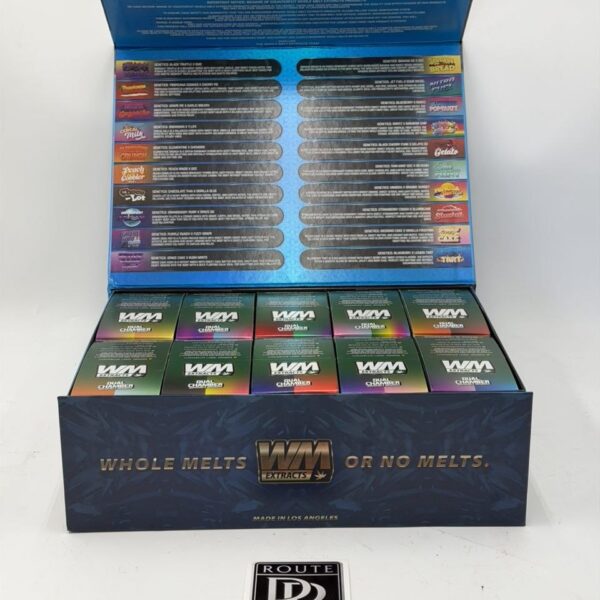
Several current listings describe Phase Three as a dual-chamber disposable. One listing specifically describes a two-chamber configuration associated with different extract types, while another identifies the device as a selectable dual-chamber product. However, because these descriptions come from different sellers, the precise internal configuration should be verified before publication.
If the physical device and official documentation confirm a dual-chamber design, the product description can explain that the device contains two separate chambers.
The description should then identify the purpose of each chamber only when the manufacturer documents it.
For example, if the package explicitly identifies two different formulations, those formulations can be listed separately. Likewise, if the device provides a mechanism for selecting between chambers, that feature can be described using the manufacturer’s instructions.
However, the product name alone should not be used to infer the chamber contents.
Product Format
The Phase Three product is described by current online listings as a disposable vapor device. Several listings characterize it as an all-in-one format, meaning that the vaporizer and its contents are supplied as a single product rather than as a conventional cartridge requiring a separate battery.
The exact operating system should nevertheless be confirmed from the physical product.
Some disposable devices use draw activation, while others may incorporate buttons, displays, switches, charging systems, or other hardware. Consequently, a product description should not assume a particular activation mechanism without documentation.
Likewise, details such as battery capacity, charging capability, airflow controls, heating technology, screen features, and chamber switching should be included only when they are confirmed for the specific version being sold.
Formulation
The exact formulation should be obtained from the product label or manufacturer documentation.
Some online listings describe Phase Three using terminology such as live resin and liquid diamonds. Other listings make broader claims about full-spectrum extracts or terpene-rich formulations. Because these claims are not consistently documented across the sources reviewed, they should not be treated as universally verified characteristics of every Phase Three device.
If the package identifies the formulation, the product page can reproduce that information accurately.
Similarly, if a batch-specific certificate of analysis identifies cannabinoids or other compounds, those results can be summarized. The report should correspond to the particular batch being described.
This approach prevents information from one product version or batch from being mistakenly applied to another.
Cannabinoid Information
Cannabinoid information should be taken directly from verified product documentation.
The product name does not establish a specific THC percentage, THCA concentration, CBD percentage, or total cannabinoid quantity. Therefore, these figures should not be invented or inferred.
A certificate of analysis may provide useful information about cannabinoid composition. Nevertheless, the testing date, batch number, laboratory, and scope of testing should be considered.
For example, a laboratory report associated with one batch should not automatically be presented as evidence that every Phase Three disposable contains exactly the same cannabinoid profile.
Additionally, cannabinoid concentration should not be translated into guaranteed effects. Individual responses can vary considerably, and laboratory measurements describe chemical composition rather than a guaranteed personal experience.
Terpene Information
Terpene information should also be verified.
Some third-party listings make claims about terpene preservation or specific flavor characteristics. However, those claims should not be repeated as established specifications unless they are supported by the manufacturer or relevant testing documentation.
If a verified terpene profile is available, the product page can list the documented compounds.
Furthermore, the description should distinguish chemical composition from subjective sensory experience. The presence of a particular terpene does not guarantee that every consumer will perceive the same aroma, taste, or effect.
Extraction Claims
Extraction terminology should be used carefully.
Terms such as “live resin,” “liquid diamonds,” “full spectrum,” or similar expressions can have specific meanings depending on the manufacturer and production process. Therefore, a product description should use those terms only when they are documented for the exact product.
An online seller’s description should not be treated as sufficient evidence for every technical claim. Instead, the manufacturer’s documentation or product label should be consulted.
Where a certificate of analysis is available, it can supplement the product information. However, testing should not be used to infer manufacturing processes that were not actually documented.
Hardware
Hardware specifications can make a substantial difference between disposable devices.
Relevant specifications may include activation method, battery type, charging capability, chamber arrangement, mouthpiece construction, airflow design, indicator lights, display features, and physical dimensions.
Nevertheless, none of these specifications should be assumed merely because they appear in a listing for a similar Phase Three device.
One current supplier listing describes a Phase Three V3 as a dual-chamber device, while another source describes a V8 Phase Three hardware platform with an LED screen and other features. These appear to demonstrate that “Phase Three” may encompass multiple hardware references, making exact model identification especially important.
Consequently, the final product page should identify the specific version wherever the packaging provides that information.
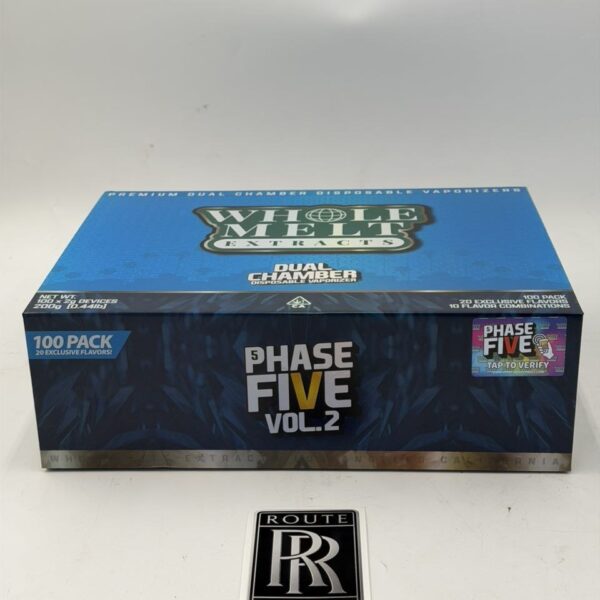
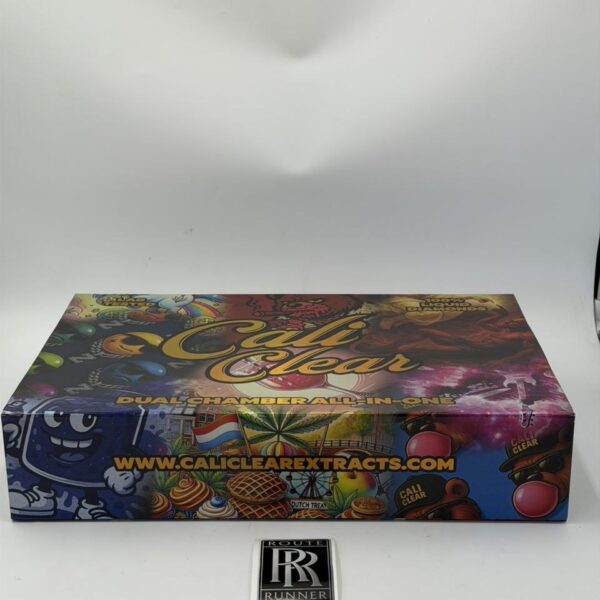
Packaging
Packaging provides essential information about the product.
The product name, net contents, ingredients, cannabinoid information, warnings, manufacturer details, batch identification, and regulatory statements should be checked against the current package.
If the packaging contains a QR code or other verification feature, its purpose should be confirmed before it is described as an authenticity system.
Likewise, visual characteristics should not be treated as proof of quality. Colors, graphics, logos, and package design can change between editions or production runs.
Therefore, packaging should be described accurately but without assigning unsupported significance to its appearance.
Laboratory Testing
Laboratory testing can provide valuable information when a report corresponds to the exact product and batch.
Depending on the jurisdiction and testing program, a certificate of analysis may contain cannabinoid measurements and results for various contaminants or other analytical categories.
However, a laboratory report describes the sample that was tested. It should not automatically be interpreted as a guarantee covering every device produced under the same product name.
For that reason, batch numbers are important.
A retailer should verify that the batch information on the package corresponds with the batch information on any laboratory report being cited.
Additionally, the laboratory’s identity and testing scope should be checked before publishing specific claims.
Storage and Handling
Storage instructions should follow the manufacturer’s recommendations.
Generally, a disposable vapor device should be protected from excessive heat, moisture, direct sunlight, and physical damage. However, manufacturer-specific instructions should take priority where they are available.
The product should also be kept away from children and pets.
A damaged device should not be used. Signs of damage may include leakage, cracking, unusual heating, or visible damage to the battery or housing.
Furthermore, users should not attempt to dismantle, refill, puncture, modify, or otherwise alter a disposable device unless the manufacturer specifically provides instructions for that action.
Responsible Use
Cannabis products can produce different effects in different individuals.
Therefore, product descriptions should avoid promising a particular experience. They should also avoid suggesting that cannabis products are appropriate for everyone.
If the product contains intoxicating cannabinoids, users should follow applicable warnings and should not drive or operate machinery while impaired.
Additionally, consumers should follow local laws concerning possession, purchase, transportation, and consumption.
Health-related claims require particular caution. A product description should not claim that the product treats, cures, prevents, or manages a medical condition unless the claim is specifically authorized and supported by appropriate evidence.
Legal Considerations
Cannabis regulations vary between jurisdictions.
Rules can apply to product composition, manufacturing, packaging, advertising, purchasing, possession, transportation, and use. Consequently, a product description should be reviewed for the jurisdiction in which it will be published.
Age restrictions and required warnings may also apply.
Furthermore, advertising rules may limit claims concerning health benefits, potency, effects, or comparisons with other products.
A neutral product description can reduce some of these risks by focusing on verifiable product characteristics rather than exaggerated promotional language.
Authenticity and Traceability
Product traceability can help retailers and consumers connect a physical package with documented product information.
Useful identifiers may include manufacturer details, batch numbers, lot numbers, packaging information, and laboratory reports.
However, appearance alone should not be used to establish authenticity.
If the manufacturer provides an official verification procedure, that process should be followed. Similarly, products should be obtained through legitimate supply channels where applicable.
A retailer should also preserve documentation supporting product identity and specifications.
What Retailers Should Verify
Before publishing this product description, retailers should verify: whole melt extracts phase three 2g disposable whole melt extracts phase three 2g disposable whole melt extracts phase three 2g disposable whole melt extracts phase three 2g disposable whole melt extracts phase three 2g disposable whole melt extracts phase three 2g disposable whole melt extracts phase three 2g disposable whole melt extracts phase three 2g disposable whole melt extracts phase three 2g disposable whole melt extracts phase three 2g disposable.
- The exact product name and version.
- The stated two-gram quantity.
- The physical device design.
- Whether the device is dual chamber.
- The contents of each chamber.
- The cannabinoid profile.
- The ingredient list.
- The extraction description.
- The terpene information.
- The activation and charging method.
- The manufacturer or distributor.
- The batch or lot number.
- Available laboratory documentation.
- Required warnings.
- Applicable age restrictions.
- Local advertising requirements.
- Storage instructions.
- Disposal instructions.
- Packaging photographs.
- Product authenticity information.
This verification process is especially important because current online listings use different descriptions for Phase Three products and versions.
Information That Should Not Be Invented
Several details should never be filled in simply to make a product page appear complete.
These include exact potency, laboratory results, ingredients, strain names, terpene percentages, extraction processes, battery capacity, device dimensions, flavor profiles, medical benefits, and guaranteed effects.
Similarly, the phrase “2G” should not be treated as a potency statement.
The phrase “Phase Three” should not automatically be interpreted as a specific technology or formulation.
Finally, claims made by one reseller should not automatically be transferred to another product version.
Accurate omissions are preferable to unsupported specifications.
Maintaining Product Information
A product description should be reviewed whenever inventory changes.
Manufacturers can modify formulations, packaging, hardware, or labeling. Consequently, information that was correct for one production run may not remain accurate for another.
Retailers should compare new inventory with the existing product page. Furthermore, laboratory documentation should be reviewed when batch-specific information is published.
Product photographs should also be updated when packaging or hardware changes.
whole melt extracts phase three 2g disposable whole melt extracts phase three 2g disposable whole melt extracts phase three 2g disposable whole melt extracts phase three 2g disposable whole melt extracts phase three 2g disposable whole melt extracts phase three 2g disposable whole melt extracts phase three 2g disposable whole melt extracts phase three 2g disposable whole melt extracts phase three 2g disposable whole melt extracts phase three 2g disposable whole melt extracts phase three 2g disposable whole melt extracts phase three 2g disposable whole melt extracts phase three 2g disposable whole melt extracts phase three 2g disposable.
This ongoing review process helps ensure that customers receive information that corresponds with the product actually being offered.
Conclusion
Whole Melt Extracts Phase Three 2G Disposable is identified across current online listings as a 2-gram disposable cannabis vapor product, with several listings describing a dual-chamber configuration. However, available sources differ in their descriptions of the exact version, formulation, and hardware.
For that reason, the most reliable product description is one built around information that can be verified from the specific package and supporting documentation.
The “2G” designation should be understood as a stated quantity rather than a potency claim. Similarly, “Phase Three” identifies a product edition or generation but does not independently establish a particular extraction method, cannabinoid profile, terpene composition, or hardware configuration.
A professional listing should therefore identify the exact version, net contents, ingredients, cannabinoid information, chamber configuration, hardware specifications, batch number, laboratory documentation, warnings, and storage instructions wherever those details are verified.
Moreover, clear headings and concise paragraphs improve readability. Natural transition words can connect ideas, while a balanced use of active and passive constructions can keep technical information direct and understandable.
Most importantly, product-specific claims should be supported rather than assumed. Before publication, the retailer should compare this overview with the current manufacturer label and applicable regulatory requirements. That final verification step will produce a more accurate and dependable product description while avoiding unsupported claims about the Phase Three 2G Disposable.


Reviews
There are no reviews yet.