

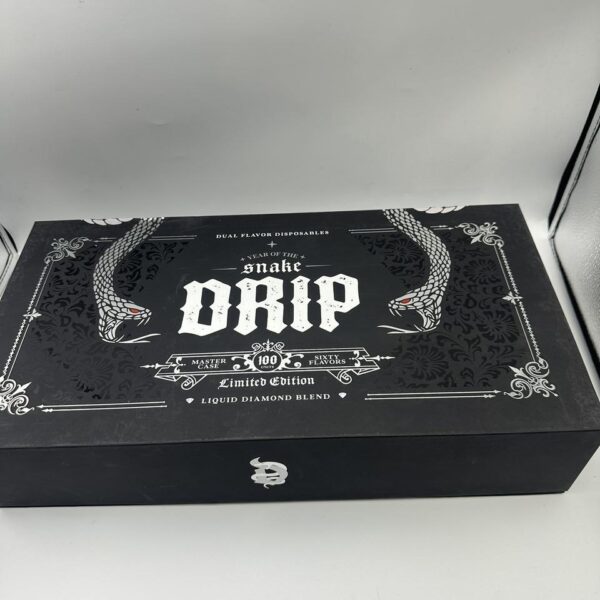
Levels 3-in-1 Disposable 2G: Factual Product Overview
Introduction
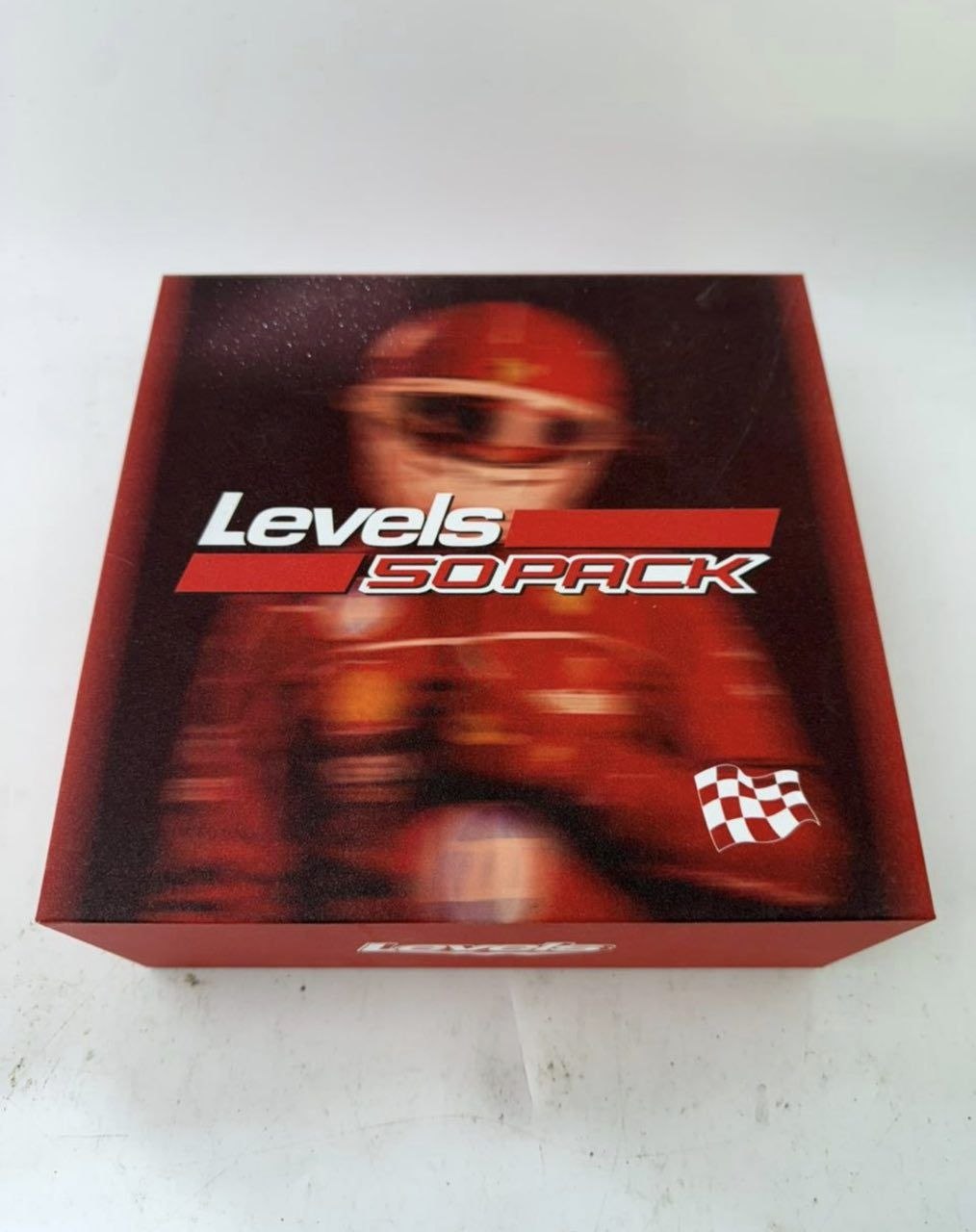
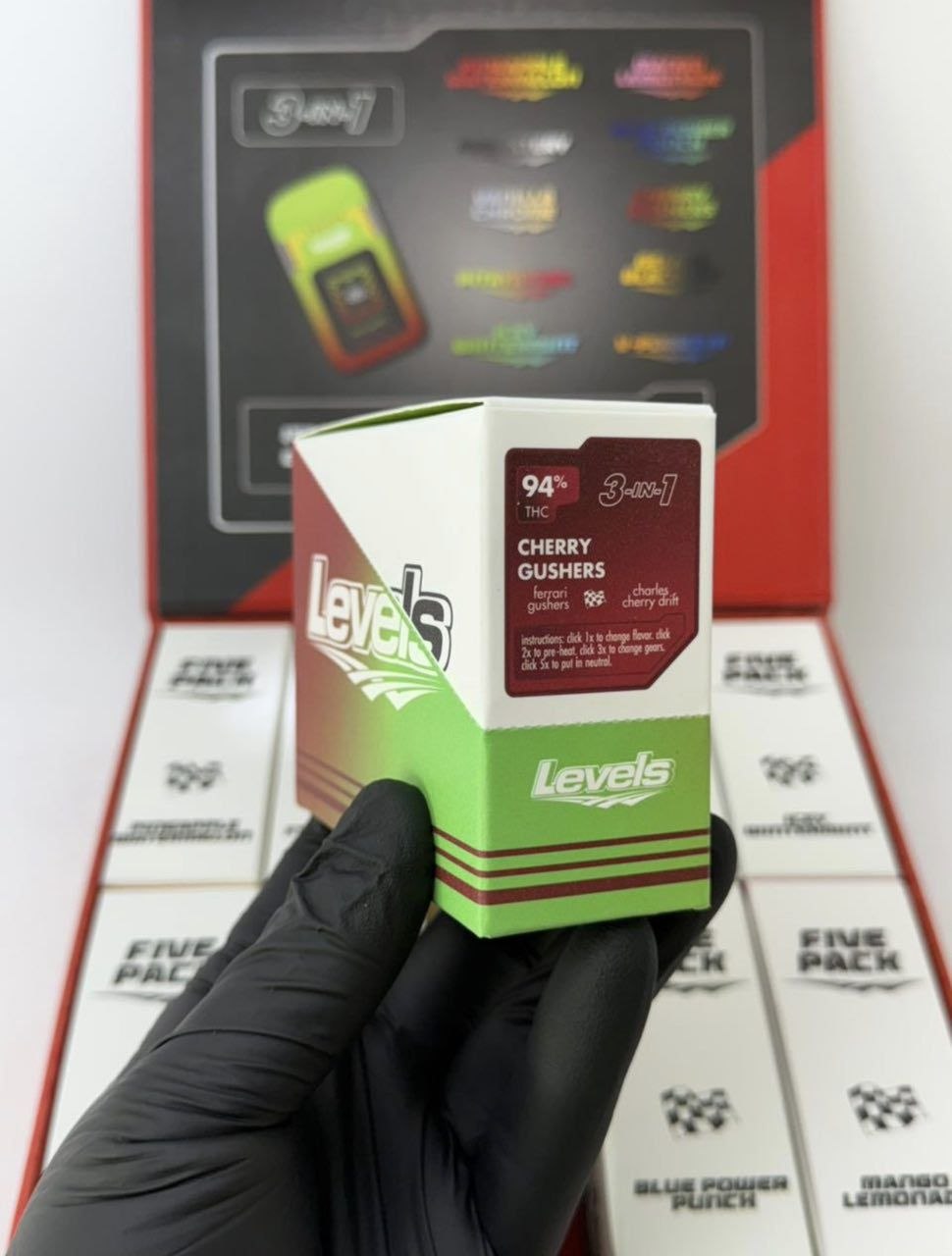
levels 3-in-1 disposable 2g is the name used for a cannabis disposable product in current online listings. One third-party listing identifies the item specifically as “Levels 3-in-1 Disposable 2G,” while another listing describes a similarly named Levels Sticker Pack 3-in-1 Disposable 2G as a multi-chamber disposable. However, these sources are retailer descriptions rather than authoritative manufacturer documentation. Consequently, technical specifications should be verified against the physical package, current manufacturer information, and applicable laboratory documentation before publication.
The product name itself provides several identifiers. “Levels” identifies the product or brand name, “3-in-1” indicates a three-part or three-option configuration, and “2G” indicates a stated two-gram designation. Nevertheless, those terms do not independently establish cannabinoid concentration, ingredients, extraction method, battery capacity, chamber contents, flavor profile, or expected effects.
A reliable product description should therefore distinguish between information that has been verified and information that still requires confirmation.
Product Identity
The exact product identity should be confirmed from the packaging before a product page is published.
Current online listings use slightly different terminology for the product. One listing simply identifies “Levels 3-in-1 Disposable 2G,” whereas another uses the name “Levels Sticker Pack 3-in-1 Disposable 2G.”
This distinction matters because similarly named products may represent different packaging, editions, hardware, or formulations.
Therefore, retailers should reproduce the product name exactly as it appears on the current package. If the package provides a model, version, batch, or edition number, that information should also be recorded.
Product photographs should correspond with the actual inventory. In addition, written specifications should be reviewed whenever a new batch or version arrives.
Understanding the 2G Designation
The “2G” designation generally refers to a stated two-gram quantity. However, quantity and potency are not interchangeable.
Two grams describes the amount of product identified by the relevant weight designation. It does not, by itself, communicate the concentration of THC, CBD, THCA, or another cannabinoid.
Consequently, the product page should reproduce the manufacturer’s stated net contents rather than converting the 2G designation into a potency claim.
Similarly, the 2G figure does not establish how many uses the device provides. Usage can vary according to the formulation, device design, individual behavior, and other factors.
If the package provides additional measurements, those figures should be reproduced accurately. Weight, volume, and active-ingredient quantities should remain clearly distinguished.
Understanding the 3-in-1 Designation
The “3-in-1” terminology suggests that the product incorporates three options or components within a single product format. A current third-party listing describes a three-chamber configuration with three separate flavor tanks and states that the combined contents total two grams. However, because that information comes from a reseller rather than verified manufacturer documentation, it should be confirmed before being presented as a definitive specification.
If the physical product confirms a three-chamber design, the product page can explain that configuration.
However, the contents of the three chambers should not be guessed. The manufacturer or package should identify whether the chambers contain different formulations, flavors, strains, extracts, or other configurations.
Furthermore, the description should explain the switching mechanism only when the operating instructions confirm it.
Product Format
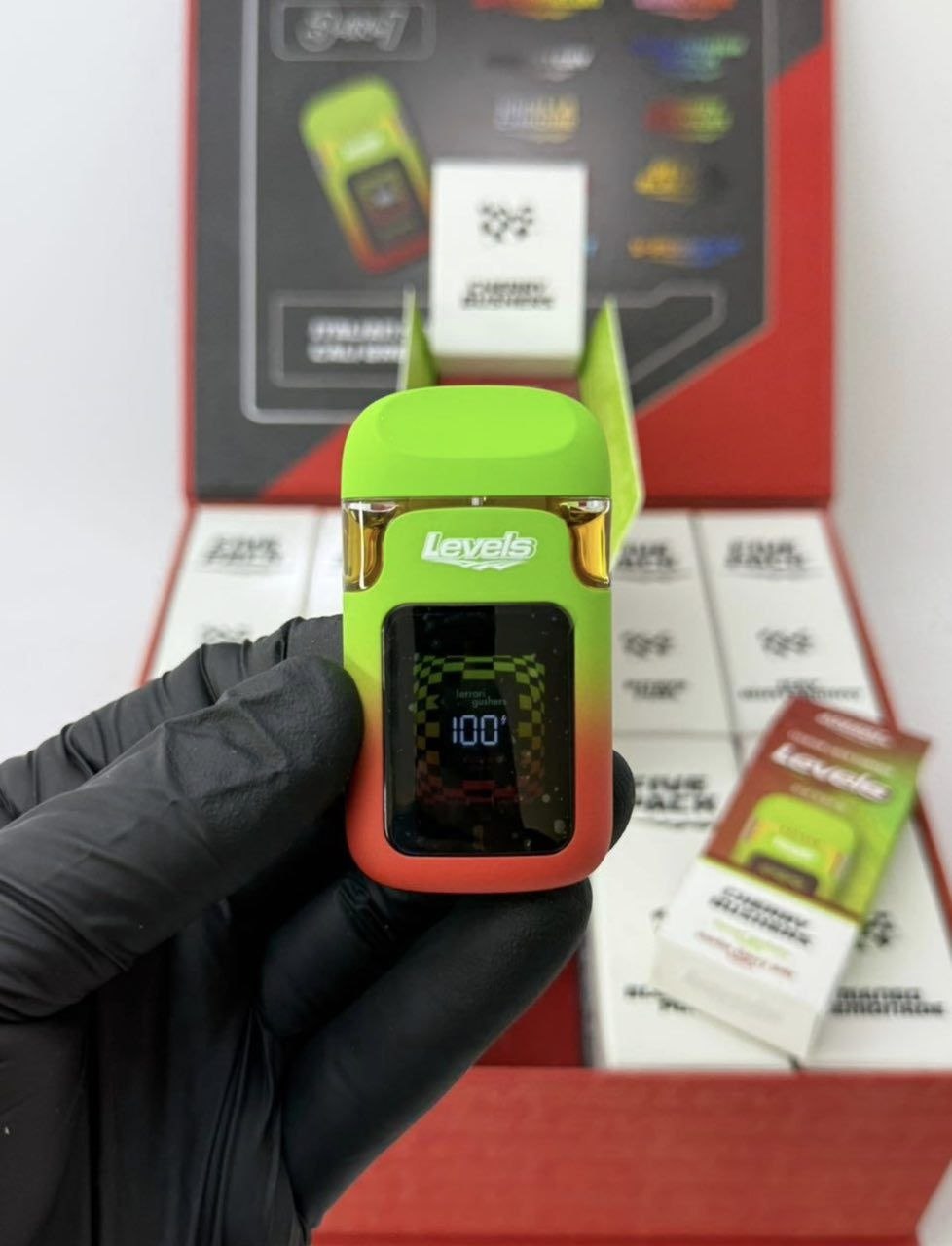
The available listings characterize the Levels product as a disposable vapor device. Nevertheless, the exact hardware configuration should be confirmed for the particular version being sold.
Disposable devices can differ substantially in their internal construction. Some use draw activation, while others incorporate buttons, switches, displays, adjustable controls, or other features.
Therefore, the product description should not assume a particular activation method.
Likewise, battery capacity, charging capability, heating technology, airflow design, dimensions, and operating controls should be included only when those details are documented.
This approach keeps the description useful while preventing unsupported specifications from becoming part of the published listing.
Chamber Configuration
If the Levels 3-in-1 Disposable 2G is confirmed to contain three separate chambers, that configuration can be presented as one of the product’s principal physical characteristics.
A multi-chamber system can allow separate materials or formulations to remain within the same device. However, the precise purpose of each chamber must be verified.
For example, a manufacturer might use separate chambers for different formulations or flavor profiles. Another device could use a different internal arrangement. Consequently, the term “3-in-1” should not automatically be interpreted as three specific products.
The product page should identify the chamber contents exactly as they are labeled.
If the device has a selector or switching mechanism, the manufacturer’s operating instructions should be followed. Users should not attempt to disassemble the device to determine its internal construction.
Ingredients and Formulation
Ingredient information should come directly from the current product label.
No particular cannabinoid, terpene, flavoring ingredient, botanical ingredient, or extraction material should be attributed to Levels 3-in-1 Disposable 2G without verification.
This is important because formulations can vary between batches and product versions.
Additionally, third-party descriptions sometimes use technical terms that are not supported by an accompanying laboratory report. Therefore, terms such as live resin, distillate, diamonds, full-spectrum, or other extraction-related descriptions should only be used when the specific product documentation supports them.
Cannabinoid Information
Cannabinoid information should be presented exactly as documented.
The product name does not establish a specific THC percentage or total cannabinoid quantity. Therefore, those figures should not be inferred from the 2G designation.
If a certificate of analysis is available, relevant cannabinoid results can be summarized. Nevertheless, the report should correspond to the batch being described.
For example, a laboratory report for one production batch should not automatically be presented as proof that every Levels 3-in-1 Disposable 2G has exactly the same composition.
Furthermore, cannabinoid concentration should not be translated into a guaranteed personal experience. Individual responses vary, and chemical composition does not guarantee a particular outcome.
Flavor and Terpene Information
Flavor information should also be verified.
A third-party listing describes three separate flavor tanks, but the specific flavors should not be incorporated into a final product description unless the current packaging or manufacturer documentation confirms them.
Similarly, a terpene profile should be included only when supported by appropriate documentation.
A factual description can identify documented terpene compounds without claiming that every consumer will experience identical aromas, tastes, or effects.
This distinction improves accuracy. Moreover, it prevents subjective characteristics from being presented as guaranteed product performance.
Hardware Specifications
Hardware information can help readers understand the physical product.
Relevant specifications may include: levels 3-in-1 disposable 2g levels 3-in-1 disposable 2g levels 3-in-1 disposable 2g levels 3-in-1 disposable 2g levels 3-in-1 disposable 2g levels 3-in-1 disposable 2g
Number of chambers
- Activation method
- Battery type
- Charging capability
- Charging connector
- Indicator system
- Selector mechanism
- Mouthpiece design
- Device dimensions
- Net product quantity
However, these specifications should be verified individually.
A description should never assume that a particular feature exists simply because another three-in-one disposable uses it.
For example, a product should not be described as rechargeable unless the package or manufacturer documentation confirms that capability.
Similarly, a display, preheat function, adjustable voltage system, or automatic activation mechanism should not be attributed to the product without evidence.
Packaging and Labeling
Packaging provides essential information about product identity and handling.
The product name, net contents, ingredient information, cannabinoid data, warnings, manufacturer information, batch number, and regulatory statements should be checked against the current package.
If the product uses a themed or “sticker pack” presentation, that visual element can be described factually when it is confirmed. However, visual design should not be treated as evidence of potency, purity, or authenticity.
Likewise, a package design should not be described as an authentication system unless the manufacturer explicitly identifies it as one.
Laboratory Testing
Laboratory testing can provide useful information about a particular product batch.
Depending on the jurisdiction and testing program, a certificate of analysis may include cannabinoid measurements and results for additional testing categories.
However, the report describes the sample that was tested. Therefore, it should not automatically be treated as a guarantee for every device produced under the same product name.
Batch and lot numbers are particularly important.
If a retailer publishes laboratory information, the batch number on the report should correspond with the batch information on the physical product.
Furthermore, the laboratory identity, testing date, and testing scope should be checked before specific claims are made.
Storage
The product should be stored according to the manufacturer’s instructions.
In general, cannabis products should be protected from excessive heat, direct sunlight, moisture, and physical damage. Nevertheless, product-specific instructions should take priority.
The device should also be kept away from children and pets.
If the packaging contains important safety or identification information, it should be retained rather than discarded immediately.
Furthermore, a disposable device should not be exposed to unnecessary physical stress. Damage to the housing or battery components can create safety concerns.
Handling
The device should be handled according to its intended design.
Users should not attempt to open, refill, puncture, modify, or dismantle a disposable device unless the manufacturer explicitly provides instructions for that procedure.
If the device shows signs of leakage, cracking, unusual heat, or other damage, it should not be used.
Similarly, the contents should not be transferred into an unlabeled container because doing so can remove important information about identity, ingredients, warnings, and batch details.
Safe handling also includes following all applicable legal requirements concerning possession, transportation, and use.
Responsible Product Information
A product description should provide information rather than guarantee an outcome.
Cannabinoid products can affect individuals differently. Therefore, the listing should avoid promising a specific physical, emotional, or cognitive effect.
Health-related claims require particular caution. A product description should not state that the product treats, cures, prevents, or manages a medical condition unless such claims are specifically authorized and appropriately supported.
Likewise, the product should not be described as universally safe or suitable for every consumer.
If the formulation contains intoxicating cannabinoids, users should follow applicable warnings and should not drive or operate machinery while impaired.
Legal and Regulatory Considerations
Cannabis regulations differ significantly between jurisdictions.
Rules may apply to manufacturing, possession, purchasing, transportation, advertising, packaging, and consumption.
Consequently, the legality of a particular Levels product cannot be established from its product name alone.
Retailers should verify the rules applicable to the market in which the product will be offered.
Age restrictions and mandatory warnings may also apply. Additionally, advertising regulations can restrict health claims, youth-oriented imagery, consumption-related messaging, or unsupported potency statements.
A factual product description should therefore be reviewed for compliance before publication.
Authenticity and Traceability
Product traceability can help establish a connection between the physical package and its supporting documentation.
Useful information may include manufacturer details, batch numbers, lot numbers, packaging information, and laboratory reports.
However, appearance alone should not be treated as proof of authenticity.
If the manufacturer provides an official verification process, that process should be followed. Similarly, retailers should obtain products through legitimate supply channels and preserve relevant documentation.
A consistent relationship between the package, batch information, and laboratory documentation can make product verification easier.
Retailer Verification
Before publication, retailers should verify the following information: levels 3-in-1 disposable 2g levels 3-in-1 disposable 2g levels 3-in-1 disposable 2g levels 3-in-1 disposable 2g levels 3-in-1 disposable 2g levels 3-in-1 disposable 2g levels 3-in-1 disposable 2g levels 3-in-1 disposable 2g levels 3-in-1 disposable 2g levels 3-in-1 disposable 2g levels 3-in-1 disposable 2g levels 3-in-1 disposable 2g levels 3-in-1 disposable 2g levels 3-in-1 disposable 2g levels 3-in-1 disposable 2g levels 3-in-1 disposable 2g levels 3-in-1 disposable 2g.
- Exact product name.
- Current product version.
- Stated net contents.
- Three-in-one configuration.
- Number of chambers.
- Contents of each chamber.
- Cannabinoid profile.
- Ingredient list.
- Terpene information.
- Extraction method.
- Activation method.
- Battery and charging specifications.
- Manufacturer or distributor.
- Batch or lot number.
- Laboratory documentation.
- Required warnings.
- Age restrictions.
- Storage instructions.
- Disposal information.
- Applicable advertising rules.
This process is particularly important because the available online descriptions provide limited and sometimes inconsistent technical information.
Information That Should Not Be Assumed
Several product characteristics should never be invented simply to make a listing appear more detailed.
These include:
- Exact THC percentage
- Total cannabinoid content
- Specific strains
- Specific flavors
- Terpene percentages
- Extraction method
- Battery capacity
- Charging speed
- Device dimensions
- Laboratory results
- Medical benefits
- Guaranteed effects
- Authenticity claims
The same caution applies to the “3-in-1” designation.
Although a current third-party listing describes three separate chambers, that configuration should be confirmed on the specific product being sold before it is presented as a definitive specification.
Maintaining Product Information
Product descriptions should be reviewed whenever inventory changes.
Manufacturers can revise formulations, packaging, hardware, or labeling. Consequently, information that was accurate for one production run may not remain accurate for another.
Retailers should compare new inventory with the existing product page.
Similarly, photographs should be updated when packaging or hardware changes. Laboratory references should also be reviewed when batch-specific information is included.
Furthermore, regulatory requirements can change over time. A description that was previously acceptable may require revision when applicable rules are updated.
Regular review helps keep published information aligned with the physical product.
Conclusion
Levels 3-in-1 Disposable 2G is identified in current online listings as a two-gram disposable cannabis product, and at least one listing describes a three-chamber configuration. However, the available information comes primarily from third-party sellers rather than authoritative manufacturer documentation.
For that reason, the safest and most accurate product description should be based on the specific package and supporting documentation.
The “2G” designation should be treated as a quantity specification rather than a potency claim. Similarly, “3-in-1” should be explained only according to the actual configuration documented for the product.
Before publication, retailers should verify the chamber arrangement, contents, cannabinoid profile, ingredients, terpene information, extraction method, hardware specifications, laboratory results, batch identification, warnings, and storage instructions.
Moreover, clear headings and concise paragraphs can substantially improve readability. Natural transition words can connect related information, while a balanced use of active and passive voice can keep technical writing direct.
Most importantly, unsupported claims should be avoided. Cannabis products can vary by batch and jurisdiction, while advertising and labeling requirements can differ substantially between markets.
Therefore, this overview should serve as a factual framework rather than a substitute for the current product label or manufacturer documentation. Once those specifications have been verified, the placeholders can be replaced with exact information to create a more precise and dependable product page.




Reviews
There are no reviews yet.