

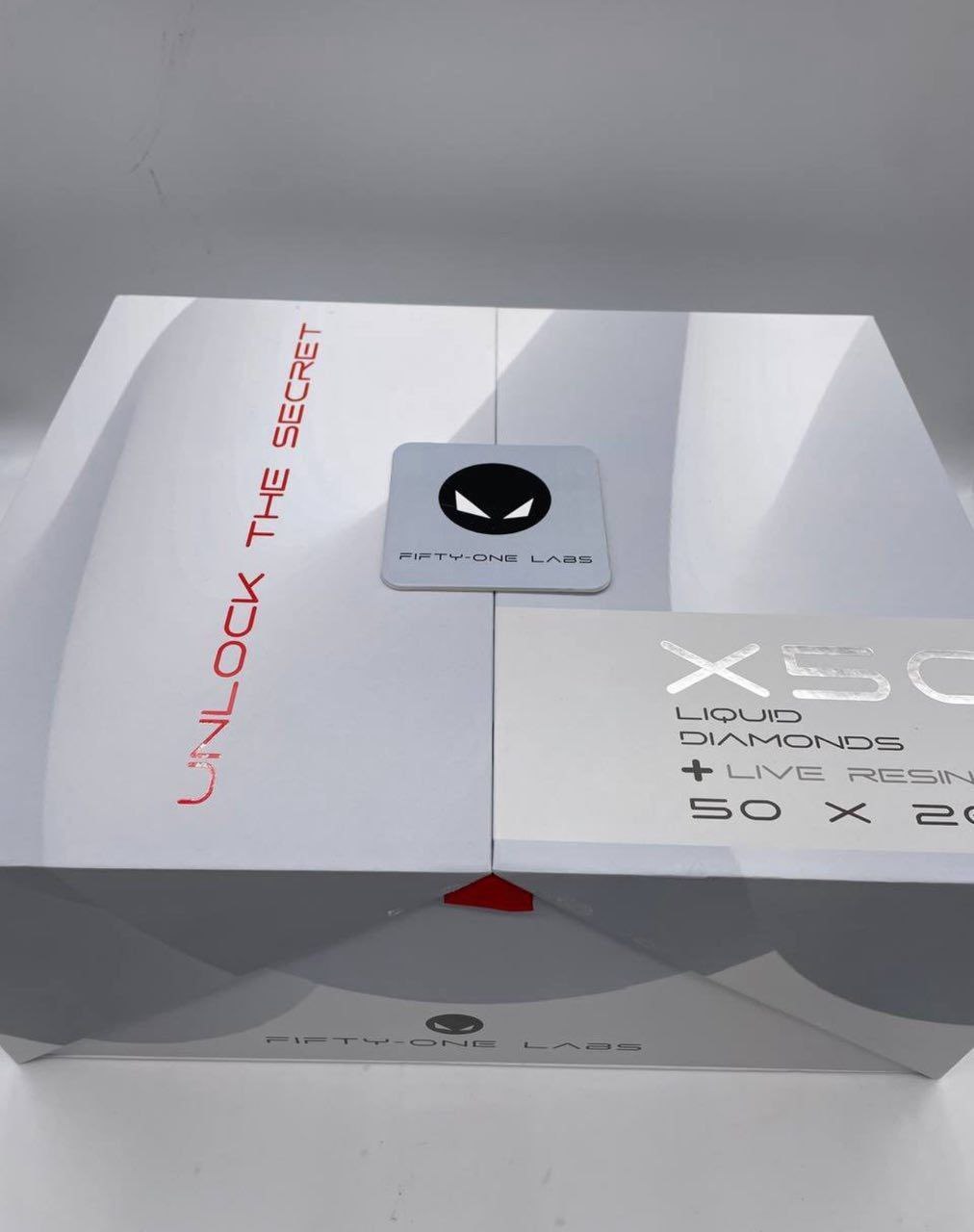
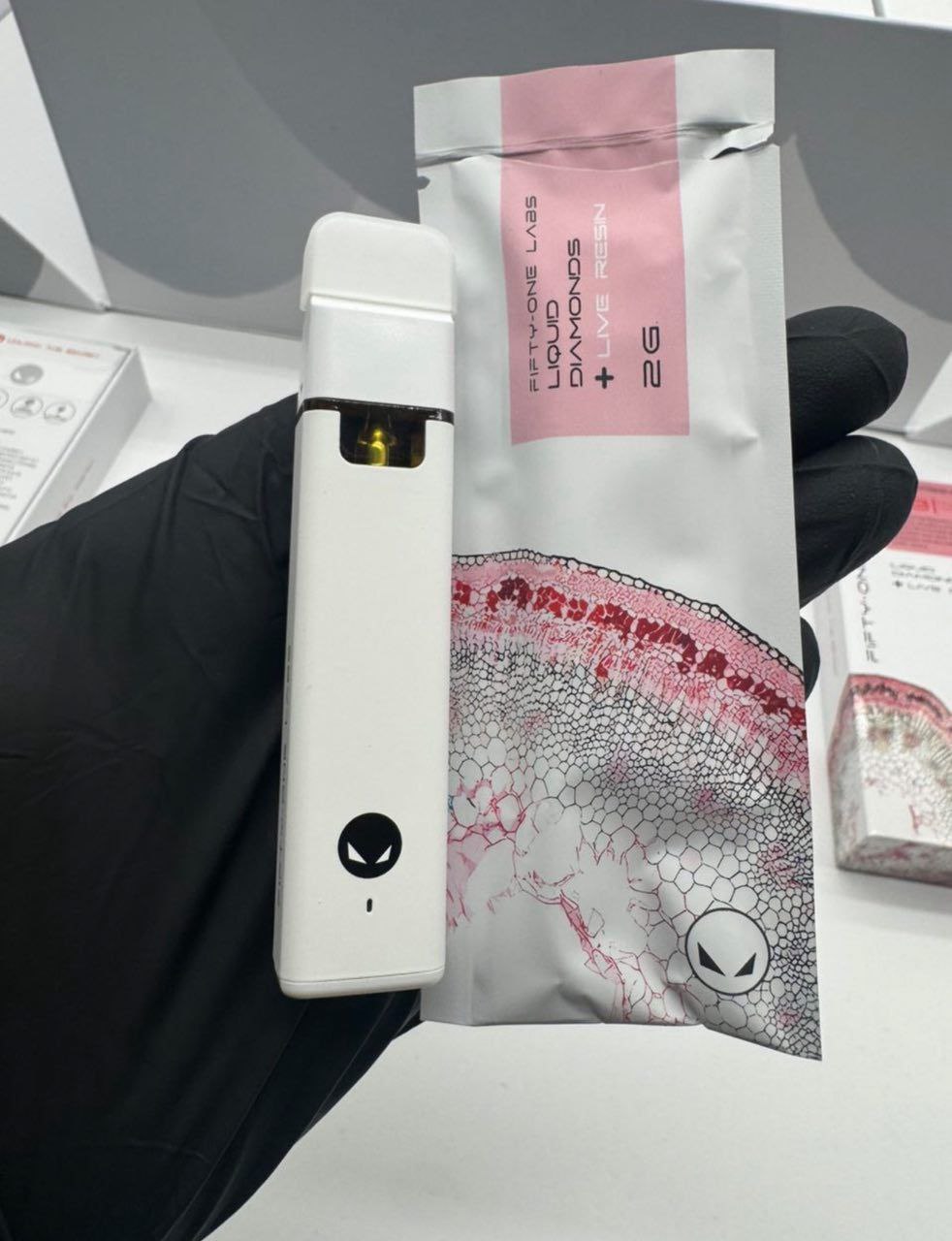
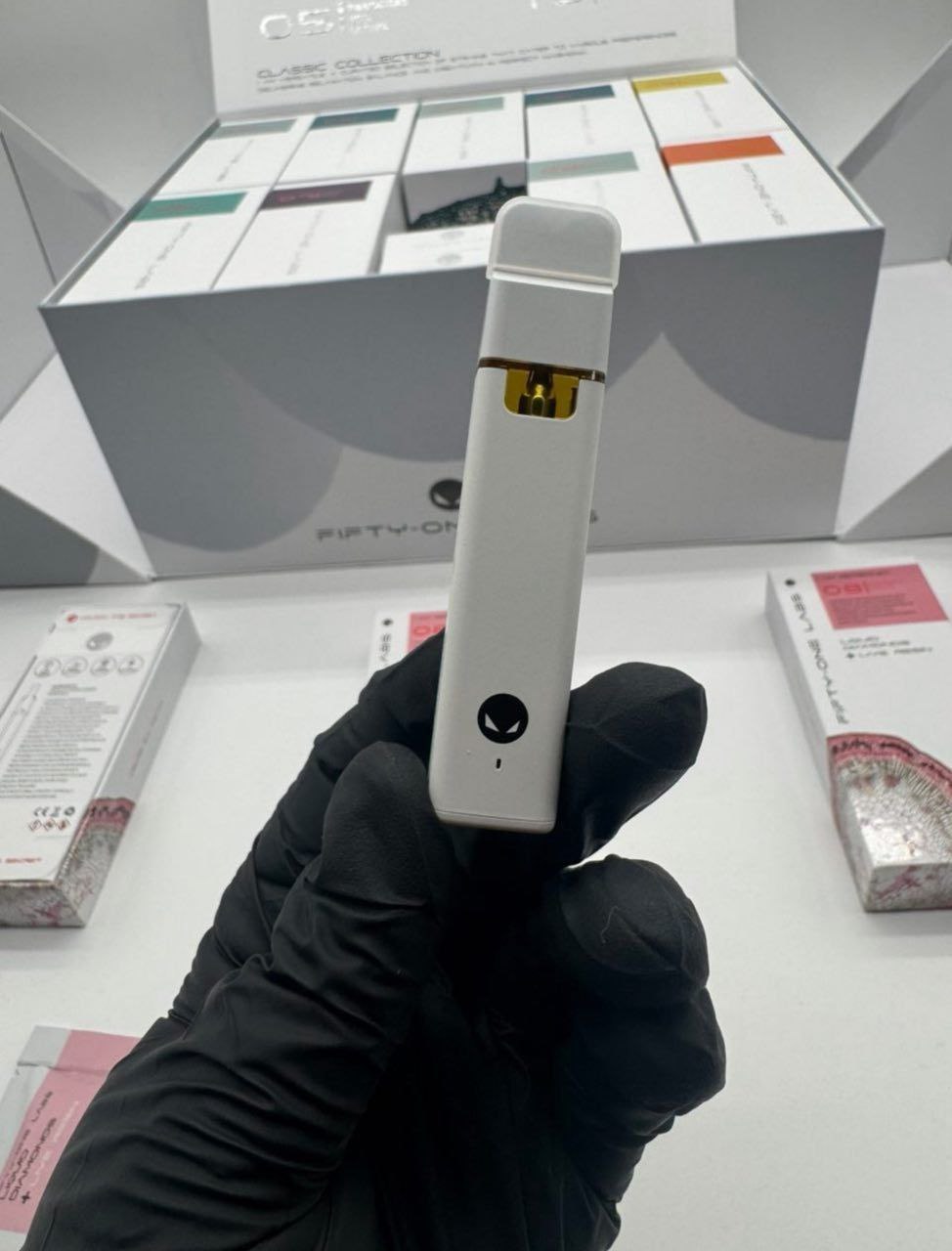
Fifty One Labs 2G Disposable: Neutral Product Overview
Introduction
The fifty one labs 2g disposable is presented by online sellers as a disposable vaping product associated with the Fifty One Labs name and a 2G quantity designation. However, product specifications can vary by market, batch, and listing. Therefore, the most reliable information should come from the product’s original packaging, manufacturer documentation, and applicable laboratory records rather than from a retailer description alone.
The term 2G generally refers to the nominal amount of material contained in the device. It should not, however, be interpreted as a direct measurement of potency or quality. Those characteristics depend on the formulation and concentration of the contents.
Likewise, the product name does not by itself establish the battery capacity, heating technology, ingredients, cannabinoid profile, flavor options, or charging configuration. Those details should be verified against the specific unit being evaluated.
This overview therefore focuses on neutral product information, identification, construction, labeling, storage, verification, regulatory considerations, and disposal. It is intended to provide a clear framework for understanding the product without making unsupported performance claims.
What Is the Fifty One Labs 2G Disposable?
The Fifty One Labs 2G Disposable is identified by its name as a disposable vaping product with a nominal 2G designation.
A disposable device generally integrates its major components into one housing. Depending on the model, these components can include a reservoir, heating element, battery, airflow system, electronics, and mouthpiece.
Unlike reusable vaping systems, a disposable format is designed around an integrated structure rather than a collection of replaceable components.
However, the exact internal configuration of a Fifty One Labs product should not be assumed without manufacturer documentation. Online descriptions can contain incomplete or inconsistent information, particularly when products are listed by multiple retailers.
For that reason, a product description should distinguish clearly between information confirmed by the manufacturer and information inferred from the general characteristics of disposable vaping devices.
Understanding the 2G Designation
The 2G designation generally indicates approximately two grams of material associated with the product.
This figure is useful when comparing nominal quantities, but it should not be confused with potency.
For example, two products can both contain approximately two grams while having different concentrations of active ingredients. Similarly, the overall physical weight of a finished device can exceed the stated contents because the battery, housing, electronics, mouthpiece, and other components also contribute to its weight.
Therefore, a complete description should treat 2G as a quantity specification rather than as a statement about strength or expected effects.
If cannabinoid content is relevant to the product, that information should be reviewed separately on the package or applicable laboratory documentation.
Product Configuration
A disposable product typically combines its major components within a single enclosure.
The outer housing provides physical protection. Inside, a reservoir holds the formulation, while a heating system converts the formulation into an aerosol during operation.
A battery supplies electrical energy to the heating system. Meanwhile, an airflow pathway connects the internal system to the mouthpiece.
These are general characteristics of disposable vaping products rather than verified specifications of every Fifty One Labs 2G unit. The exact design should therefore be confirmed through product-specific documentation.
This distinction is important because different production runs or markets can use different components while retaining the same product name.
Formulation and Ingredients
The exact contents of a Fifty One Labs 2G Disposable should be established from the product label and relevant manufacturer or laboratory documentation.
If the product contains cannabinoids, the packaging may provide information about cannabinoid concentrations, total quantity, ingredients, and batch identification.
However, an online product listing should not automatically be treated as equivalent to a laboratory report.
Where a certificate of analysis is available, it can provide additional information about a tested batch. Nevertheless, the document should correspond to the specific product and batch being evaluated.
Furthermore, laboratory testing can vary in scope. One report may focus on cannabinoid concentrations, while another may include testing for contaminants or other substances.
Consequently, the existence of a laboratory report does not necessarily establish that every possible product characteristic has been independently verified.
Product Labeling
Product labeling provides an important source of objective information.
Depending on the jurisdiction and product category, packaging may include:
- Product name
- Manufacturer or responsible company
- Net quantity
- Ingredient information
- Batch or lot number
- Cannabinoid information, where applicable
- Laboratory-testing information
- Warnings
- Age restrictions
- Storage instructions
- Disposal information
The specific requirements depend on local regulations.
For the Fifty One Labs 2G Disposable, readers should compare information found on the physical packaging with descriptions supplied by online sellers.
If those descriptions conflict, the discrepancy should be investigated. A retailer’s listing may be outdated, incomplete, or associated with a different version.
Clear and consistent labeling is therefore one of the more useful indicators when evaluating a product.
Product Identification
Identification involves more than recognizing a brand name.
A complete verification process can include the product name, packaging, manufacturer information, batch number, lot information, and any authentication system supplied by the responsible company.
If a product includes a verification code, consumers should use the official verification method associated with that code rather than relying on an unrelated website.
Packaging should also correspond logically with the physical product. Differences in labeling, spelling, logos, batch information, or other identifying details may warrant further investigation.
No single visual characteristic can establish authenticity with certainty.
Construction and Exterior Design
Disposable vaping products are generally designed around compact construction.
The exterior enclosure protects internal components and creates the overall shape of the device. A mouthpiece is typically incorporated into the upper section, while the internal reservoir and battery occupy the protected area within the housing.
The exact materials used in the Fifty One Labs 2G Disposable should be confirmed through manufacturer specifications.
It would be inappropriate to claim that a particular unit uses a specific metal, plastic, glass, ceramic, or other material without supporting documentation.
Nevertheless, the overall purpose of the enclosure is to keep the internal system together and provide protection during ordinary handling.
The device should not be intentionally crushed, punctured, dismantled, or modified.
Battery and Electronic Components
A disposable vaping device normally depends on a battery to power its heating system.
Battery specifications can include capacity, voltage, chemistry, charging capability, and protection features. Those specifications can vary between models.
Unless the Fifty One Labs 2G Disposable’s manufacturer has documented a particular specification, it should not be presented as confirmed.
The package should therefore be checked for charging instructions.
If a particular version is rechargeable, the manufacturer’s specified charging equipment and procedures should be followed. Conversely, a device that was not designed for charging should not be modified to accept a charger.
A damaged battery can present additional risks. Therefore, a product that becomes swollen, severely damaged, unusually hot, or visibly defective should not be treated as an ordinary intact device.
Portability
The compact format of a disposable device can make it relatively convenient to transport compared with larger reusable systems.
Because the major components are integrated, fewer separate accessories may be required.
Nevertheless, portability does not eliminate regulatory considerations.
Vaping products can be subject to different transportation rules depending on the jurisdiction. Products containing cannabis-derived formulations may face additional restrictions.
For that reason, anyone transporting such a product should verify the relevant rules before traveling, particularly when crossing regional or national borders.
Storage Conditions
Proper storage helps protect the device and its internal components.
The product should generally be kept in a cool, dry place and protected from direct sunlight and excessive heat.
It should also be protected from moisture, crushing, punctures, and other physical damage.
Children and pets should not have access to the device.
Extreme temperatures can affect batteries and electronic components. In addition, temperature and environmental conditions can affect certain formulations.
Whenever the package provides specific storage instructions, those instructions should take priority over general recommendations.
Authenticity and Verification
Authenticity is an important consideration for branded disposable products.
The presence of a recognizable name or logo does not, by itself, prove that a product is genuine.
Instead, multiple pieces of information should be evaluated together. These can include packaging quality, manufacturer details, batch numbers, product codes, authentication features, and laboratory documentation.
A product with incomplete labeling can be more difficult to verify.
Similarly, unusually broad claims concerning potency, ingredients, testing, or performance should be compared against objective documentation.
A neutral description should therefore avoid turning an unverified seller statement into an established product specification.
Laboratory Documentation
Laboratory testing can provide useful information about the composition of a product.
For products containing cannabinoids, testing may report concentrations of specific cannabinoids and, depending on the testing program, other characteristics.
Additional analyses can sometimes cover pesticides, heavy metals, microbial contaminants, residual solvents, or other substances.
However, the scope of testing matters.
A certificate of analysis that reports cannabinoid concentration does not necessarily demonstrate that the product was tested for every possible contaminant.
Batch identification is also important. A laboratory report for one batch should not automatically be applied to another batch.
Therefore, the strongest documentation is generally one that clearly identifies the tested sample and can be matched to the product being evaluated.
Quantity Versus Potency
The difference between quantity and potency deserves particular attention.
The 2G designation generally communicates the amount of material. Potency, on the other hand, concerns the concentration of active ingredients.
These are separate measurements.
A product containing two grams of material can have a different concentration from another two-gram product. Consequently, the 2G label should not be presented as evidence that the product is especially strong.
Where applicable, cannabinoid concentration should instead be taken from the product label or relevant laboratory documentation.
This distinction also makes product comparisons more meaningful.
Flavor and Formulation Options
If Fifty One Labs products are sold in different flavor or formulation options, availability should be confirmed from current product packaging or manufacturer information.
Flavor names generally communicate a sensory concept. They may refer to fruit, mint, dessert, beverage, botanical, or other characteristics.
However, a flavor name is not a substitute for an ingredient list.
People who need to avoid particular ingredients should therefore review the package information carefully rather than relying only on the product’s flavor name.
Availability can also vary by market, retailer, and production batch.
As a result, a flavor listed in one location should not automatically be described as universally available.
Responsible Handling
A disposable vape should be treated as an electronic product containing a battery and a formulated substance.
The device should not be opened, punctured, crushed, or modified.
Opening the housing can expose internal electrical components and the contents of the reservoir. Similarly, battery modifications can create unnecessary hazards.
If a product appears defective when received, documenting the condition and contacting the seller or responsible company is generally preferable to attempting an improvised repair.
If the packaging appears damaged or tampered with, the product’s identity and condition should also be carefully considered.
Regulatory Considerations
The legal framework surrounding disposable vaping products differs significantly between jurisdictions.
Rules may cover manufacturing, sale, advertising, packaging, labeling, age restrictions, possession, taxation, transportation, and disposal.
Additional rules can apply to products containing cannabis-derived ingredients.
Therefore, online availability does not establish that a product is legal in every location.
Before purchasing, possessing, or transporting a Fifty One Labs 2G Disposable, consumers should consult the laws applicable to their jurisdiction.
This is particularly important when products are transported across borders. A product that is permitted in one jurisdiction may be restricted in another.
Environmental Considerations
Disposable vaping devices present an electronic-waste issue because they can contain batteries and electronic components in addition to their housing and residual contents.
Consequently, they should not automatically be treated as ordinary household waste.
Local authorities may operate dedicated battery or electronic-waste collection programs. Authorized recycling facilities can also provide disposal guidance.
The correct method varies by location.
A device should not be deliberately burned, dismantled, or otherwise altered as a means of disposal.
Following local electronic-waste requirements can reduce the environmental risks associated with discarded batteries and electronics.
Comparing the Fifty One Labs 2G Disposable
When evaluating the Fifty One Labs 2G Disposable against other products, several objective characteristics can be considered.
Quantity
The 2G designation provides a nominal quantity for comparison. However, quantity alone does not determine formulation or potency.
Formulation
Ingredient and cannabinoid information can provide a more useful basis for comparison than product naming.
Testing
Batch-specific laboratory documentation can help establish what was actually tested.
Battery
Battery capacity and charging capability may vary and should be verified through product documentation.
Construction
Physical design, materials, and component arrangement can be compared when reliable specifications are available.
Labeling
Clear manufacturer information, batch identification, ingredients, warnings, and testing information can make a product easier to evaluate.
Disposal
Products containing batteries and electronic components require appropriate disposal consideration.
These factors provide a more balanced basis for evaluation than promotional terms such as “premium,” “best,” or “advanced.”
Creating Accurate Product Content
A useful product description should distinguish between verified facts and general product characteristics.
For example, it is reasonable to identify the Fifty One Labs 2G Disposable by its stated product name and quantity designation when those details appear on the packaging.
However, it would be inappropriate to invent a battery capacity, ingredient list, cannabinoid percentage, flavor selection, or laboratory result without documentation.
This approach also improves readability.
Short sections allow readers to locate information quickly. Clear headings make the product page easier to navigate. Meanwhile, transition words help connect related ideas without creating unnecessarily complicated sentences.
A factual writing style also reduces confusion.
Instead of making unsupported performance claims, a product page can explain what the available documentation establishes and identify which details should be verified on the specific package.
Frequently Asked Questions
What is the Fifty One Labs 2G Disposable?
It is a disposable vaping product identified by the Fifty One Labs name and a 2G quantity designation. Exact formulation and technical specifications should be confirmed through product-specific documentation.
What does 2G mean?
It generally refers to approximately two grams of material associated with the product. It does not, by itself, indicate potency.
Does 2G mean the device weighs two grams?
Not necessarily. The designation generally concerns the material quantity rather than the total physical weight of the complete device.
Does 2G indicate strength?
No. Quantity and potency are separate characteristics. Potency information should be obtained from the product label or appropriate laboratory documentation.
How can the product be authenticated?
Check the packaging, manufacturer information, batch or lot number, authentication features where available, and corresponding laboratory documentation.
Does every Fifty One Labs disposable have the same specifications?
Not necessarily. Specifications can vary by product version, market, and production batch. The specific packaging should be treated as the primary source for unit-level information.
Does the product require charging?
That depends on the particular version. The package should be consulted for charging information.
How should the product be stored?
It should generally be kept in a cool, dry location away from excessive heat, direct sunlight, moisture, children, and pets. Manufacturer instructions should take precedence.
Can the device be opened or modified?
It should not be opened or modified. Disposable devices contain electronic components and batteries that are not intended for consumer repair or alteration.
How should an empty device be disposed of?
Follow local battery and electronic-waste requirements. Dedicated collection facilities may be available in some jurisdictions.
Is the Fifty One Labs 2G Disposable legal everywhere?
No assumption should be made about legality. Rules differ between jurisdictions, and additional restrictions may apply to cannabis-related products.
fifty one labs 2g disposable fifty one labs 2g disposable fifty one labs 2g disposable fifty one labs 2g disposable fifty one labs 2g disposable fifty one labs 2g disposable fifty one labs 2g disposable fifty one labs 2g disposable fifty one labs 2g disposable fifty one labs 2g disposable fifty one labs 2g disposable fifty one labs 2g disposable fifty one labs 2g disposable fifty one labs 2g disposable fifty one labs 2g disposable fifty one labs 2g disposable fifty one labs 2g disposable fifty one labs 2g disposable fifty one labs 2g disposable.
Conclusion
The Fifty One Labs 2G Disposable can be described neutrally as a disposable vaping product associated with a 2G quantity designation.
For accurate product information, readers should consult the physical packaging, manufacturer documentation, applicable regulatory materials, and batch-specific laboratory records when available.
In particular, the 2G designation should be understood as a quantity reference rather than a direct measure of potency. Likewise, product names and online descriptions should not be treated as substitutes for verified ingredient information.
Battery characteristics, charging capability, formulation, flavor options, and internal construction should be confirmed for the specific version being evaluated.
Furthermore, the product should be handled as an electronic device containing a battery. It should be protected from excessive heat, moisture, impact, and unauthorized access. It should not be dismantled or modified.
Disposal also deserves consideration. Because disposable vaping devices can contain batteries and electronic components, appropriate local electronic-waste or battery-recycling procedures should be followed.
Ultimately, the most useful product description is one that provides clear information while avoiding unsupported claims. Readers benefit from knowing what the product name indicates, what the available documentation confirms, and which characteristics require additional verification.
A factual approach also creates better readability. Short paragraphs, descriptive headings, straightforward terminology, and logical transitions make technical information easier to understand.
For any current product-specific specification, the package and authoritative manufacturer documentation should take priority over third-party listings. Regulatory requirements should likewise be checked locally because laws concerning disposable vaping products can change and can differ substantially between jurisdictions.


Reviews
There are no reviews yet.