



Donut 1G Rosin Disposable
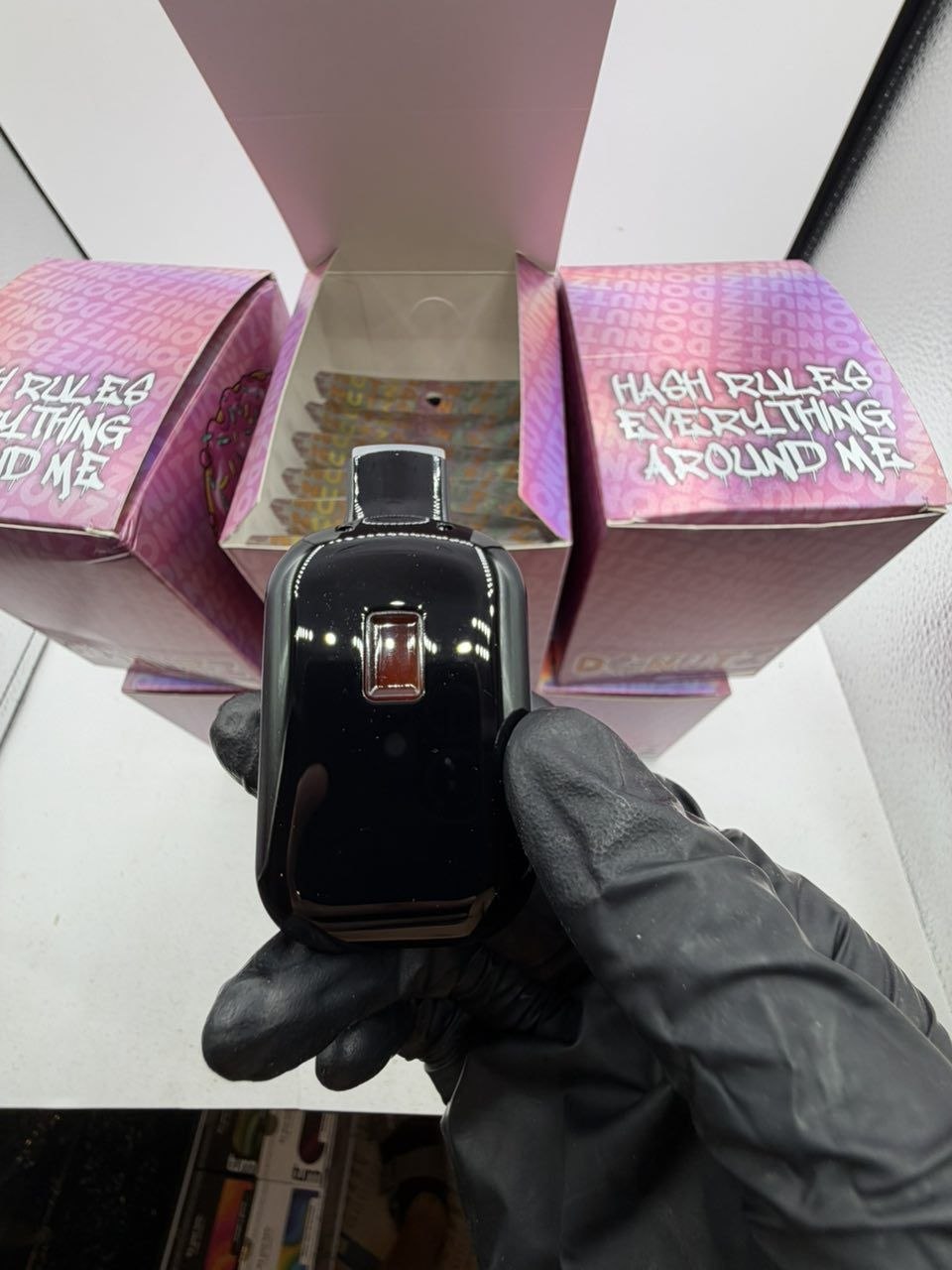
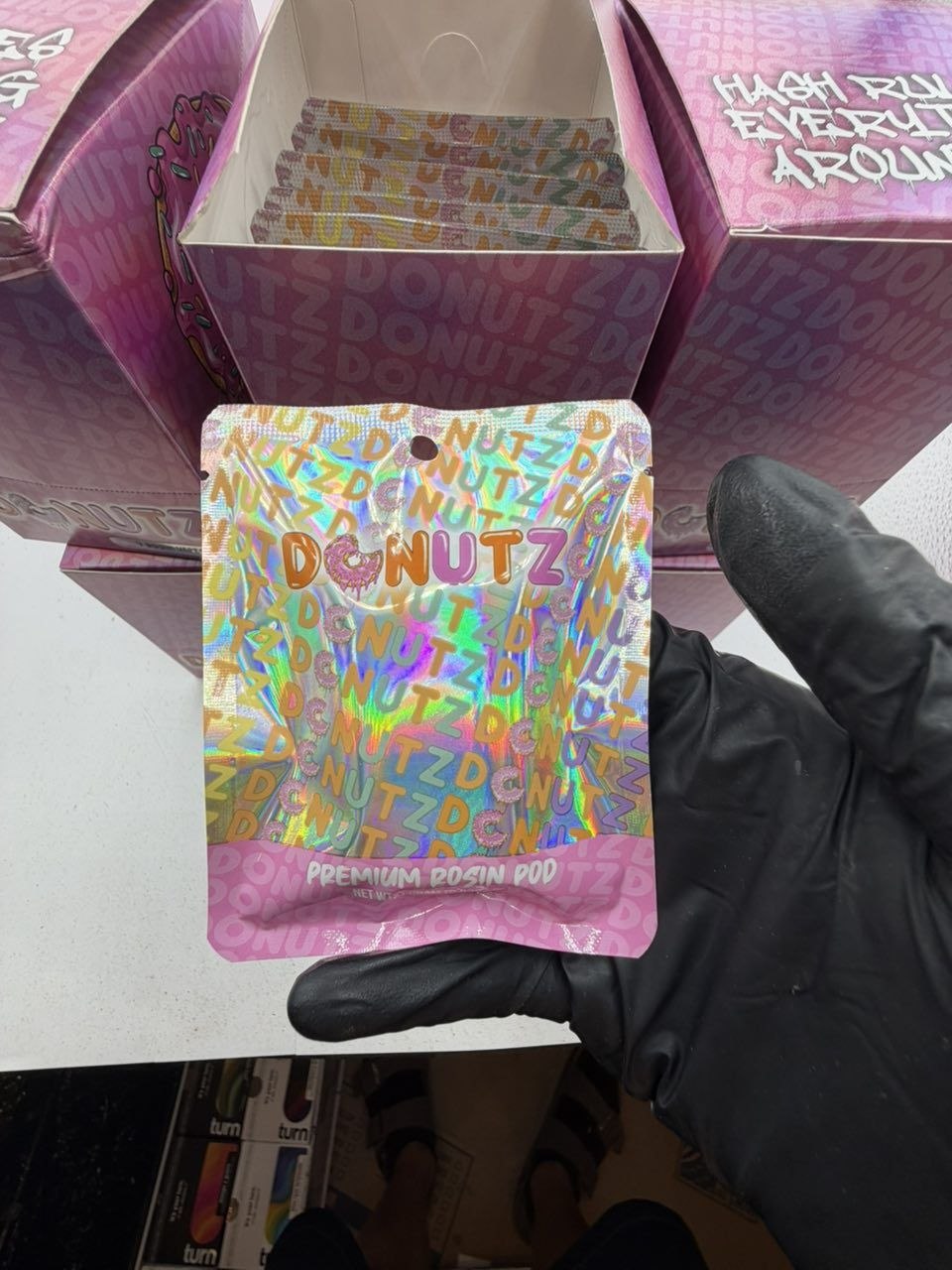
The donut 1g rosin disposable is a compact, self-contained vaping product identified by the Donut name and a stated 1-gram rosin capacity. Its disposable format combines the principal components required for operation within a single device. As a result, the product does not follow the same format as a reusable vape system that uses a separate battery and replaceable cartridge.
The “1G” designation refers to the stated amount of rosin associated with the device. However, this measurement does not by itself describe potency, cannabinoid concentration, terpene content, flavor, or expected duration. Those characteristics depend on the specific formulation and production batch.
The product name also does not establish the exact hardware specifications. Information concerning the battery, heating element, airflow system, dimensions, activation method, and charging capability should therefore be obtained from the original packaging or manufacturer documentation.
Product Identification
The product can be identified by three primary elements in its name: the Donut designation, the 1G capacity, and the rosin disposable format.
The Donut designation identifies the product or product line. The 1G marking indicates the stated capacity. Meanwhile, the term “rosin disposable” describes the general product format and the type of material associated with it.
These identifiers provide a basic description, but they do not constitute a complete technical specification. Different products can have similar names, and product versions may vary according to market, production period, or regulatory requirements.
Therefore, the physical package should be used to confirm the complete identity of an individual unit. The packaging may provide additional information such as batch numbers, manufacturing details, ingredient information, warnings, regulatory markings, and disposal instructions.
If any information on the device differs from the information on its packaging, the discrepancy should be investigated rather than ignored.
donut 1g rosin disposable donut 1g rosin disposable donut 1g rosin disposable donut 1g rosin disposable donut 1g rosin disposable donut 1g rosin disposable donut 1g rosin disposable donut 1g rosin disposable donut 1g rosin disposable donut 1g rosin disposable donut 1g rosin disposable donut 1g rosin disposable donut 1g rosin disposable donut 1g rosin disposable donut 1g rosin disposable.
Rosin
Rosin is a type of cannabis concentrate produced through a mechanical extraction process that uses pressure and heat rather than chemical solvents. However, the exact production method and resulting composition can differ between products.
The term “rosin” alone does not establish the cannabinoid profile or terpene composition of a particular product. Those characteristics require product-specific documentation.
Likewise, the appearance or color of a concentrate cannot reliably determine its potency or composition. Laboratory testing or other authoritative documentation is required when precise analytical information is needed.
The word “rosin” should therefore be treated as a product-category description rather than a complete specification.
Where available, the product label should be consulted for information about cannabinoid content, ingredients, batch identification, and testing. If such information is not provided, specific numerical claims should not be assumed.
1G Capacity
The Donut disposable is identified as a 1G product. In this context, the 1G marking refers to the stated quantity of material contained in the device.
Capacity and potency are separate measurements. A 1-gram product can have a different cannabinoid concentration from another product with the same stated capacity.
Furthermore, the amount contained in a device does not provide a reliable prediction of how long it will last. Individual usage patterns, device performance, inhalation duration, and other factors can influence consumption.
For this reason, the 1G designation should not be converted into a guaranteed number of uses or inhalations.
The most accurate capacity information should come from the original product label. Packaging information can also help distinguish the product from similarly named versions with different capacities.
Disposable Format
The disposable format places the primary operating components inside one device. This design differs from reusable systems, which generally allow users to replace or refill individual components.
Because the components are integrated, the device is intended to function as a single unit. The internal reservoir, heating system, airflow pathway, and power source are normally housed within the same exterior enclosure.
The exact internal configuration of the Donut 1G Rosin Disposable should not be inferred from the general design of disposable vapes. Hardware can differ considerably between manufacturers and product versions.
For example, one device may use automatic draw activation while another may use a button. Similarly, some disposable products include charging hardware while others are designed for single-use operation without recharging.
These characteristics should therefore be confirmed from the specific product documentation.
Physical Construction
A disposable vape generally contains several components that work together during operation. The outer housing provides a protective enclosure, while internal components manage heating, airflow, and power.
The heating element is responsible for heating the material so that an aerosol can be produced. Airflow then provides a pathway through which the aerosol can move toward the mouthpiece.
The device also requires an internal power source. In many disposable products, that power source is a battery integrated into the housing.
The precise materials and component specifications of the Donut 1G Rosin Disposable have not been established from the product name alone. Therefore, claims about construction materials, battery chemistry, heating temperature, or electronic protection systems should only be included when supported by manufacturer documentation.
Hardware Specifications
Technical hardware information can be useful when identifying a particular disposable device. Relevant specifications may include dimensions, weight, battery capacity, activation method, charging capability, heating technology, and reservoir construction.
However, none of these details can be reliably derived from the name “Donut 1G Rosin Disposable.”
The 1G marking describes capacity rather than battery size. Likewise, the word “disposable” describes the general product format rather than a specific electronic configuration.
Consequently, a technical description should distinguish confirmed information from assumptions.
If the manufacturer provides a specification sheet, that document should be used as the primary source for technical claims. The physical packaging can also provide information specific to a particular production batch.
Contents
The exact contents of the device should be confirmed through its labeling or supporting documentation.
The term “rosin” identifies the general concentrate type, but it does not independently establish the complete ingredient list. Additional components may vary according to the formulation and manufacturing process.
A product description should not claim that a particular ingredient, additive, terpene, cannabinoid, or flavoring is present unless that information has been verified.
Similarly, numerical potency claims should be based on an appropriate laboratory report or official product documentation.
This approach helps keep product information accurate and prevents assumptions from being presented as specifications.
Cannabinoid Information
Cannabinoid content is a separate characteristic from the stated 1G capacity. A product containing 1 gram of rosin may have a particular cannabinoid profile, but that profile cannot be determined from the product name.
Information such as THC, CBD, CBG, or other cannabinoid concentrations should therefore come from verified product-specific testing.
Where laboratory results are available, the relevant batch information should correspond to the actual product being described. A laboratory result from a different batch or product should not automatically be applied.
Furthermore, cannabinoid concentrations can vary between formulations and production runs. Therefore, a general statement about rosin products should not substitute for product-specific analytical information.
Terpene Information
Terpenes contribute to the chemical profile of cannabis concentrates. However, the product name does not establish which terpenes are present in the Donut 1G Rosin Disposable.
Specific terpene claims should therefore be supported by laboratory analysis or manufacturer documentation.
Descriptions based only on color, aroma, or appearance should not be treated as definitive chemical information. Several different formulations can share similar physical characteristics.
If a terpene profile is supplied with the product, it can be included as part of the technical description. Otherwise, the description should simply identify the material as rosin without assigning an unsupported terpene profile.
Appearance
The physical appearance of a disposable device can vary according to production version and packaging design.
Likewise, the appearance of rosin can vary depending on processing conditions and composition. Color, texture, and consistency may differ without necessarily providing enough information to determine potency or quality.
Therefore, visual characteristics should be described only when they have been verified for the specific product.
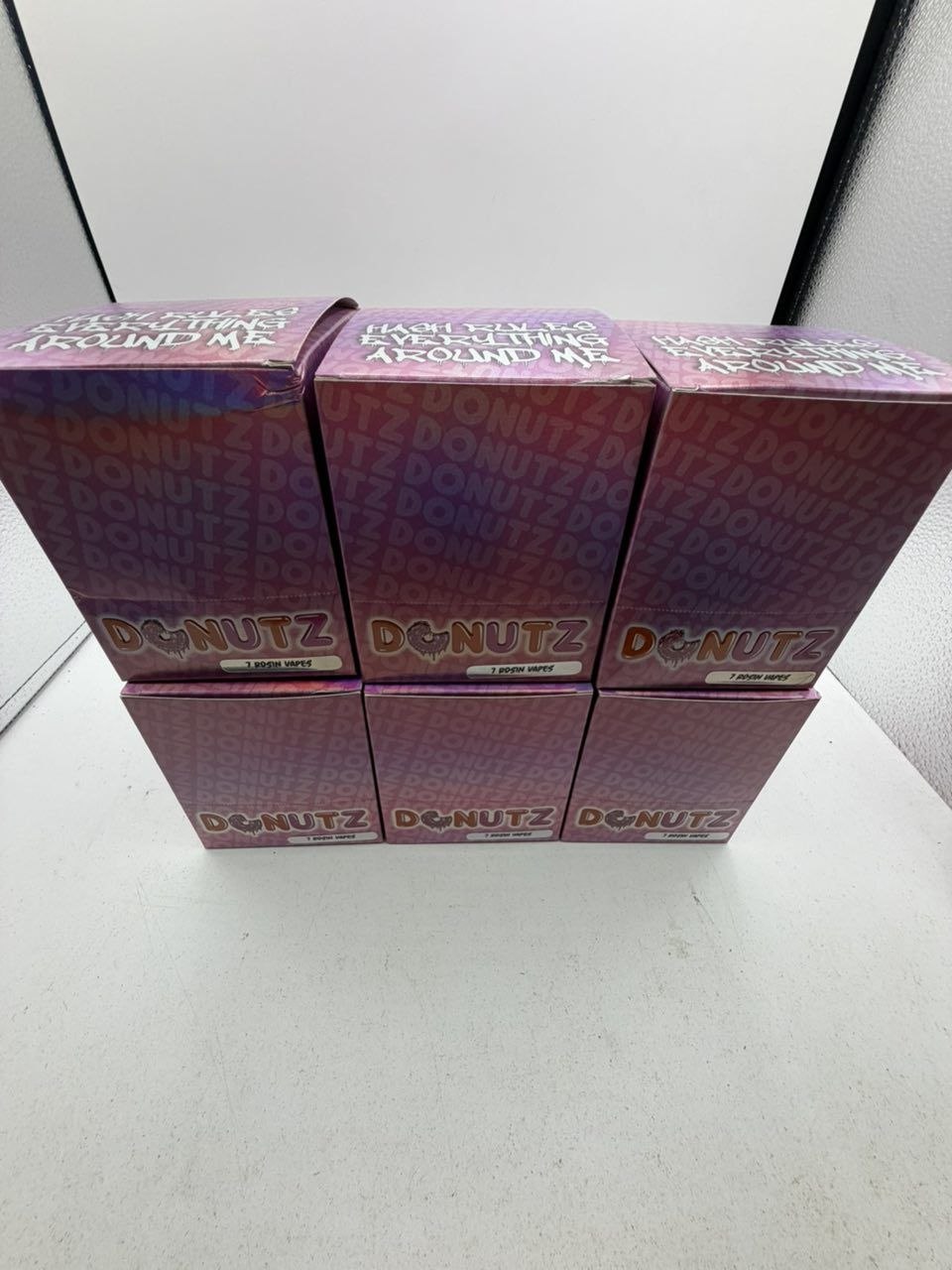
Packaging graphics should also be treated as identification features rather than evidence of formulation or performance.
If an individual unit appears substantially different from the product information supplied with it, the discrepancy should be checked before relying on the product identification.
Operation
The operating method depends on the particular hardware used in the device.
Some disposable vapes activate when the user draws through the mouthpiece, whereas others require a button. Since the product name does not identify the activation mechanism, users should consult the instructions provided with their specific unit.
Before operation, the device should be inspected for visible damage. Cracks, deformation, leakage, or other unusual conditions can indicate that the product should not be used.
The mouthpiece and airflow openings should also remain unobstructed.
Users should follow the manufacturer’s instructions rather than attempting to modify the device. Disposable products are generally not designed for internal repair or component replacement.
Battery Handling
A disposable vaping device typically contains an integrated power source. Because the battery is enclosed within the housing, it should not be removed or modified by the user.
The exact battery type and capacity should be confirmed through manufacturer documentation. The 1G marking provides no information about the battery.
If the particular device is not explicitly designed to be recharged, it should not be connected to a charger.
Similarly, the device should not be opened to investigate its internal components. Internal batteries can present hazards when punctured, short-circuited, or otherwise damaged.
If the device becomes unusually hot, swollen, damaged, or otherwise abnormal, use should be discontinued and appropriate disposal guidance should be followed.
Storage
Proper storage helps protect the device and its contents.
The product should generally be stored in a cool, dry environment away from excessive heat and direct sunlight. It should also be protected from unnecessary impact, crushing, and moisture.
High temperatures can affect both electronic components and concentrated materials. Therefore, the device should not be left in an environment where temperatures can become excessive.
The product should also be kept away from children and pets.
Any storage instructions supplied by the manufacturer should take precedence because they may address characteristics specific to the product.
Packaging
The original packaging can provide important information about the product.
Depending on the market and product version, the package may identify the manufacturer, product name, capacity, batch number, ingredients, cannabinoid information, warnings, regulatory details, and disposal instructions.
Packaging should therefore be retained when product identification or verification is important.
If a batch number or other identifying code is present, it can be useful when comparing the product with laboratory documentation or when communicating with the manufacturer.
In addition, packaging can help distinguish products with similar names but different specifications.
Authenticity
Product authenticity cannot be established solely by appearance.
Names, logos, colors, packaging designs, and device shapes can potentially be reproduced on unauthorized products. Consequently, visual similarity does not necessarily demonstrate that a product came from the stated manufacturer.
Where an authenticity-verification system is provided, it should be used according to the manufacturer’s instructions.
Batch information can also be useful. If the package contains inconsistent information, missing regulatory markings, unusual printing, or other unexpected characteristics, additional verification may be appropriate.
Claims about formulation, potency, or manufacturing standards should not be made solely on the basis of appearance.
Laboratory Testing
Laboratory testing can provide information that cannot be determined through visual inspection.
Depending on the jurisdiction and product, testing may identify cannabinoid concentrations, terpene content, contaminants, residual solvents, pesticides, heavy metals, microbial contamination, or other analytical characteristics.
However, a laboratory result should correspond to the specific product and batch being described.
A certificate from another product should not be presented as evidence for the Donut 1G Rosin Disposable. Likewise, a general statement that a product category is tested does not establish that a particular unit has passed a particular analysis.
Where testing information is available, the batch number and other identifying details should be checked carefully.
Safety Information
Vaping products containing cannabis-derived material should be handled responsibly and according to applicable laws.
The product should be kept away from children and pets. Accidental exposure can create serious risks, particularly when concentrated material is involved.
The device should also be protected from excessive heat, flames, water, and physical damage.
Users should not dismantle or modify the product. Changes to the battery, heating element, reservoir, or airflow system can alter the intended operation of the device.
A damaged or malfunctioning disposable should not be repaired by the user. Instead, it should be handled according to appropriate safety and disposal guidance.
Legal Considerations
Cannabis and cannabis-derived products are subject to different laws in different jurisdictions.
Rules may govern possession, purchase, transportation, use, age requirements, labeling, testing, packaging, and disposal. These rules can also change over time.
Therefore, the presence of a product name does not establish that the product is lawful in every location.
Users should consult the rules applicable to their jurisdiction. Sellers and distributors should likewise ensure that their activities comply with relevant laws and regulations.
Product documentation should be considered alongside current local requirements rather than used as a substitute for legal guidance.
Disposal
The Donut 1G Rosin Disposable should be disposed of appropriately once it reaches the end of its usable life.
Because the device can contain electronic components and a battery, local electronic-waste requirements may apply. Ordinary household waste or recycling systems may not accept disposable vaping devices.
The device should not be burned, crushed, punctured, or deliberately dismantled.
Where electronic-waste or battery collection services are available, users should follow the instructions provided by the relevant facility.
If residual material remains in the device, additional disposal requirements may apply depending on local regulations.
Damaged Devices
A damaged disposable should not be treated as an ordinary functioning product.
Visible cracks, leakage, swelling, severe deformation, unusual heat, or other unexpected changes can indicate a problem.
The device should not be opened in an attempt to identify or repair the issue. Instead, it should be kept away from children, pets, flames, and unnecessary handling while appropriate disposal guidance is obtained.
If a device has been exposed to substantial heat or physical impact, additional caution is appropriate even when damage is not immediately visible.
Product Documentation
Product documentation provides the most reliable basis for technical claims.
Relevant documentation can include the product label, manufacturer’s specification sheet, laboratory certificate, safety information, and regulatory documentation.
These sources can establish details such as capacity, formulation, cannabinoid concentration, batch identification, hardware specifications, and disposal requirements.
Information should be matched to the exact product version whenever possible.
This is particularly important when several products share a similar name. A description that combines information from different products can unintentionally create an inaccurate specification.
Responsible Product Description
A responsible description should clearly distinguish verified facts from general information.
For the Donut 1G Rosin Disposable, the basic verified information available from the product name is its Donut designation, 1G stated capacity, and disposable rosin format.
Additional claims require additional evidence.
For example, a product description should not automatically state that the device contains a specific strain, cannabinoid percentage, terpene profile, flavor, battery capacity, puff count, or charging system.
Instead, those details should be added only when they appear in reliable documentation associated with the specific product.
This approach produces a description that remains useful without overstating what is known.
Frequently Asked Questions
What is the Donut 1G Rosin Disposable?
It is a disposable vaping product identified by the Donut designation and a stated 1-gram rosin capacity.
What does 1G mean?
The 1G marking refers to the stated amount of material associated with the device. It does not independently establish potency, cannabinoid concentration, or expected duration.
Does 1G indicate potency?
No. Capacity and potency are different measurements. Potency information should come from product-specific testing or manufacturer documentation.
What is rosin?
Rosin is a cannabis concentrate generally produced through mechanical extraction involving heat and pressure rather than conventional chemical solvents. The precise characteristics of a particular rosin product depend on its formulation and production process.
What cannabinoids are present?
The product name does not establish the cannabinoid profile. Specific cannabinoid information should be obtained from the product label or appropriate laboratory documentation.
What terpenes does it contain?
A terpene profile cannot reliably be determined from the product name or appearance. Verified laboratory or manufacturer information should be consulted.
How long will the device last?
No universal duration can be established from the 1G capacity. Usage patterns and device characteristics can produce significant differences.
Is the device rechargeable?
The product name does not establish whether the device is rechargeable. Users should check the instructions and markings supplied with their specific unit.
Can the disposable be opened?
The device should not be opened during normal use. Internal components, including the battery, are not intended for routine user access.
How should it be stored?
The product should generally be kept in a cool, dry place away from excessive heat, moisture, children, and pets. Manufacturer-specific instructions should take priority.
What should be done if the device leaks?
A leaking device should not be used. It should be handled carefully and managed according to the applicable safety and disposal guidance.
Can the device be recycled?
Requirements differ by location. Because disposable vapes can contain batteries and electronic components, they may require specialized electronic-waste or battery collection.
How can authenticity be checked?
Packaging information, batch details, manufacturer information, and any official authenticity-verification system can help with identification. Appearance alone is not sufficient.
donut 1g rosin disposable donut 1g rosin disposable donut 1g rosin disposable donut 1g rosin disposable donut 1g rosin disposable donut 1g rosin disposable donut 1g rosin disposable donut 1g rosin disposable donut 1g rosin disposable donut 1g rosin disposable donut 1g rosin disposable donut 1g rosin disposable donut 1g rosin disposable donut 1g rosin disposable donut 1g rosin disposable
Does the product name establish its exact formulation?
No. The name identifies the product designation and stated capacity, but formulation details require supporting documentation.
Summary
The Donut 1G Rosin Disposable is a compact, self-contained vaping product identified by its Donut designation, 1G stated capacity, and rosin disposable format.
The 1G specification describes capacity rather than potency. Likewise, the term “rosin” identifies a general concentrate category without establishing a specific cannabinoid or terpene profile.
For that reason, information about ingredients, cannabinoid concentration, terpene composition, battery specifications, activation method, charging capability, and laboratory results should be taken from documentation associated with the specific product.
The device should be handled carefully and stored away from excessive heat, moisture, children, and pets. It should not be dismantled, modified, punctured, or burned.
Furthermore, damaged or leaking units should not be used or opened. Appropriate local guidance should be followed when the device reaches the end of its usable life.
Accurate product information depends on distinguishing verified specifications from assumptions. The product name establishes a useful starting point, but the original packaging and authoritative documentation provide the information needed for a complete technical description.

Reviews
There are no reviews yet.