

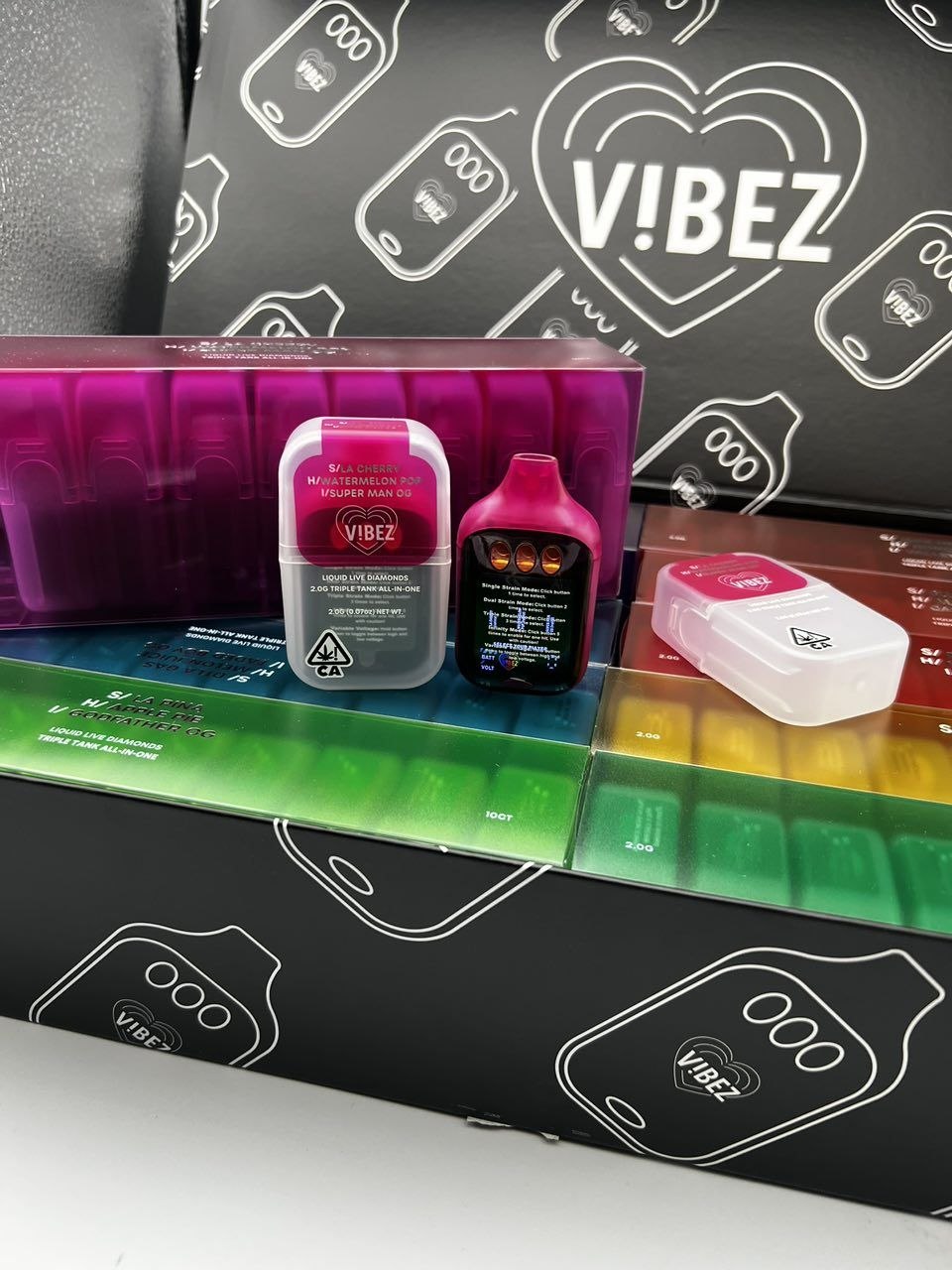
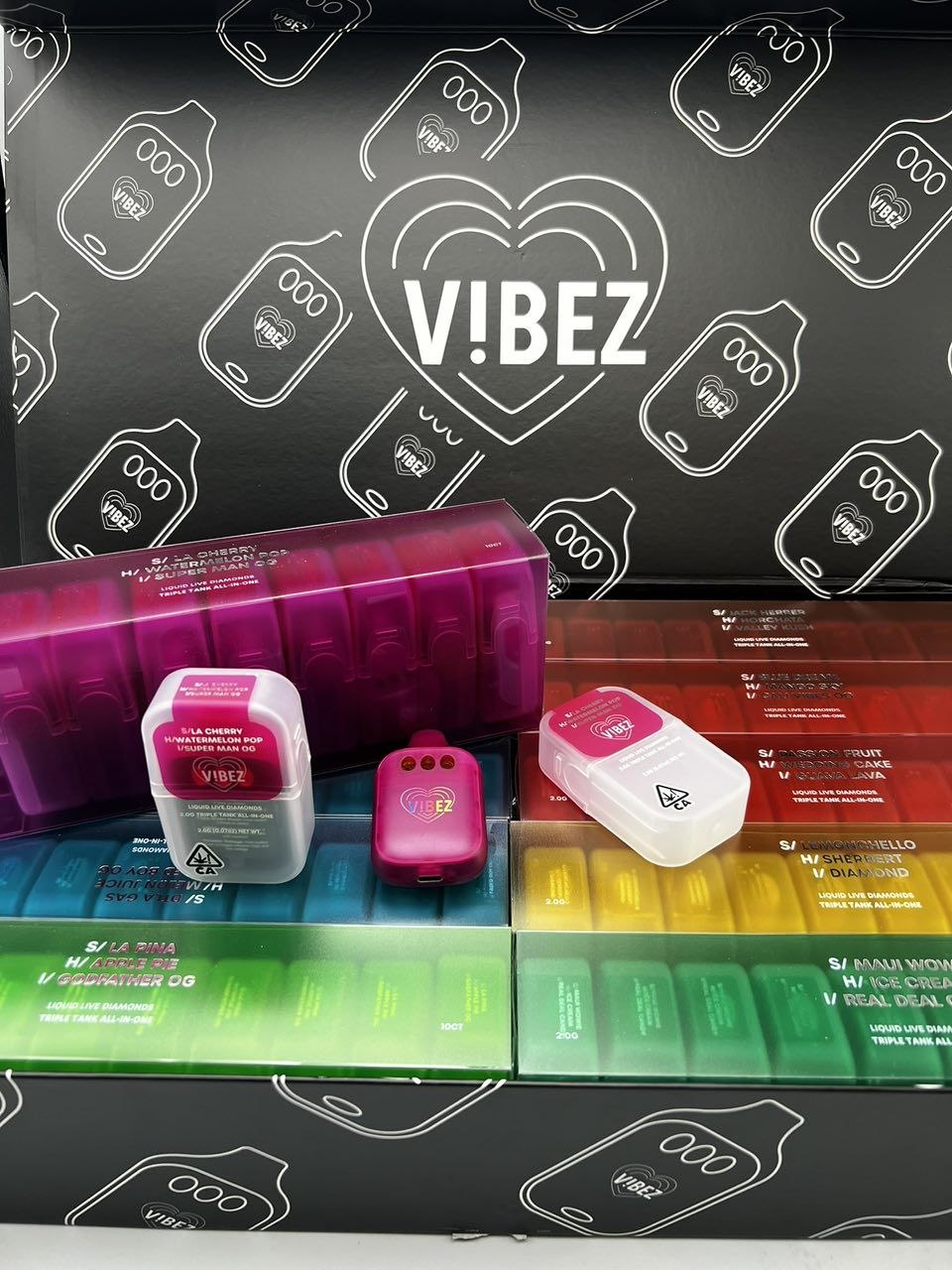
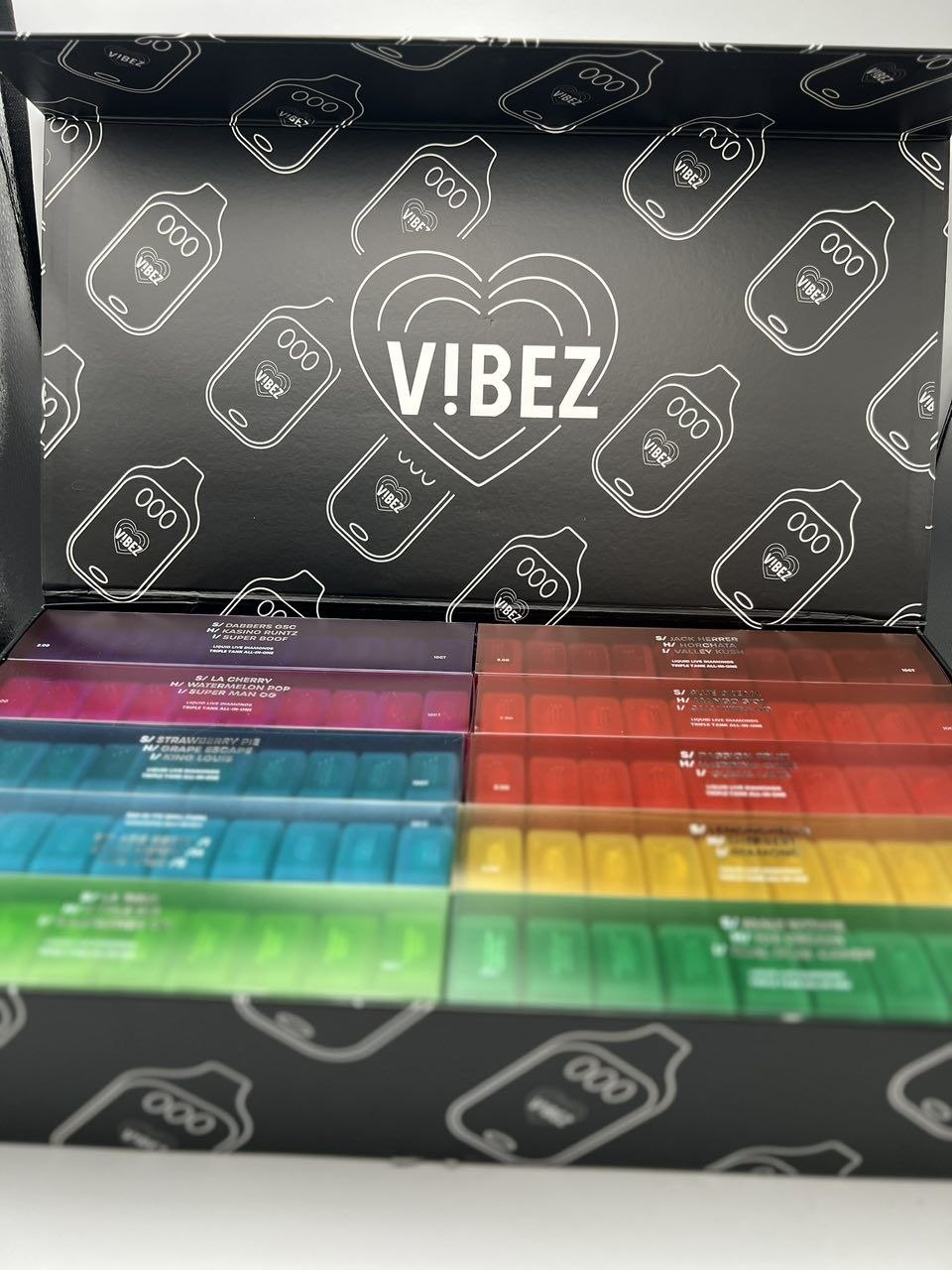

Vibez 2G Disposable Triple Tank: An Educational Guide to Multi-Chamber Cannabis Vape Devices
Introduction
The vibez 2g disposable triple tank can be understood within the broader category of disposable cannabis vape devices that use integrated electronic hardware. As cannabis technology develops, manufacturers have introduced different device structures, including systems that use multiple internal chambers.
A product name may describe a model, collection, or hardware concept, but it does not provide every technical detail about the device. To better understand these products, it is useful to explore general concepts such as multi-chamber designs, electronic components, manufacturing documentation, labeling systems, and regulatory considerations.
This educational guide explains common terminology and technical concepts associated with multi-chamber disposable vape devices.
Understanding Multi-Chamber Vape Devices
A multi-chamber vape device refers to a hardware design that incorporates more than one internal compartment within a single unit. The purpose and structure of these chambers depend on the manufacturer’s engineering approach.
Compared with single-chamber designs, multi-chamber devices may involve additional internal components and more complex construction.
General elements found in integrated disposable devices may include:
- Internal chambers
- Battery system
- Heating components
- Airflow pathways
- Mouthpiece structure
- Exterior housing
The exact arrangement of these parts varies between manufacturers and product models.
Understanding the “Triple Tank” Concept
The term triple tank generally describes a design concept involving three internal sections or compartments. However, naming conventions can vary, so technical details should be confirmed through official manufacturer documentation.
A multi-compartment structure may require additional engineering considerations, including:
- Internal separation
- Component arrangement
- Manufacturing consistency
- Packaging information
- Product documentation
Understanding terminology helps consumers interpret product descriptions without assuming details that are not provided by official sources.
Disposable Device Architecture
Disposable vape devices are designed as self-contained electronic systems. Unlike reusable devices, which may use replaceable parts, disposable systems generally combine their primary components into one enclosed structure.
Common hardware components include:
Battery System
The battery provides power for the electronic components. Battery specifications and configurations vary depending on the device design.
Because batteries are electronic components, responsible handling and disposal practices are important.
Heating System
The heating system is an internal component used within the device structure. Manufacturers may use different designs, materials, and engineering methods.
Technical information about a specific model should be obtained from official documentation.
Airflow Pathways
Airflow pathways are integrated into the internal design of the device. Their purpose and configuration depend on the manufacturer’s engineering decisions.
Exterior Housing
The exterior housing protects internal components and contributes to the physical structure of the device.
Manufacturing Concepts
The production of disposable electronic devices involves multiple stages. Manufacturers typically organize these stages through documented procedures.
General manufacturing stages may include:
- Product design
- Component selection
- Hardware assembly
- Inspection procedures
- Packaging preparation
- Distribution processes
Documentation may be maintained throughout production to support organization, traceability, and quality management.
Product Identification and Documentation
Product identification allows manufacturers, distributors, and regulators to distinguish between different products.
Identification methods may include:
- Product names
- Model numbers
- Capacity information
- Batch references
- Packaging details
Documentation provides additional context beyond a product name. It may include technical specifications, handling information, and regulatory details depending on the market.
Packaging and Label Information
Packaging serves both protective and informational purposes. It helps preserve the product during transportation while communicating important details.
Depending on regional requirements, packaging may include:
- Product identification
- Manufacturer information
- Batch or lot numbers
- Capacity designation
- Storage instructions
- Regulatory statements
Reviewing packaging information helps consumers understand the factual details associated with a product category.
Comparing Single-Chamber and Multi-Chamber Designs
Single-chamber and multi-chamber devices differ primarily in internal structure.
A single-chamber design generally contains one primary compartment, while a multi-chamber design incorporates additional internal sections.
General differences may include:
| Feature | Single-Chamber Design | Multi-Chamber Design |
|---|---|---|
| Internal structure | One primary section | Multiple sections |
| Hardware complexity | Simpler arrangement | More complex arrangement |
| Documentation needs | Standard product details | Additional design information may be required |
The exact features of any device depend on manufacturer specifications.
Regulatory Awareness
Cannabis regulations differ across jurisdictions. Government agencies may establish requirements related to:
- Manufacturing practices
- Product labeling
- Packaging standards
- Testing procedures
- Distribution requirements
Because regulations change between regions, consumers should consult applicable local guidance when researching cannabis products.
Storage and Environmental Considerations
Electronic devices should be handled according to manufacturer recommendations. Storage guidance may vary depending on product construction and packaging.
General considerations may include:
- Keeping products in suitable environments
- Protecting packaging integrity
- Avoiding excessive heat or moisture
- Following official instructions
Disposable devices may contain electronic components that require responsible disposal.
Electronic Waste and Disposal
Disposable vape devices include batteries and electronic materials. When disposal is required, consumers should follow local electronic waste and recycling guidelines.
Responsible disposal practices may include:
- Using approved recycling programs
- Following community waste guidance
- Avoiding improper disposal methods
Local requirements vary, so regional recommendations should be followed.
Frequently Asked Questions
What does a triple tank design mean?
A triple tank design generally refers to a device structure involving three internal compartments, although exact meanings depend on manufacturer terminology.
Why are multi-chamber devices different from standard devices?
Multi-chamber devices use additional internal sections, which may require different engineering and documentation approaches.
Why is product documentation important?
Documentation provides verified information about product identification, specifications, handling, and regulatory details.
Why do vape devices have different designs?
Manufacturers develop different designs based on engineering goals, materials, and production methods.
The Vibez 2G Disposable Triple Tank can be examined as part of the wider category of multi-chamber disposable cannabis vape devices. Understanding concepts such as device architecture, internal components, manufacturing documentation, packaging information, and regulatory awareness provides a clearer perspective on this type of electronic product.
Vibez 2G Disposable Triple Tank: Hardware Design, Manufacturing Processes, and Technical Documentation
Exploring Multi-Chamber Device Engineering
Disposable vape technology has developed through continued changes in electronic design, manufacturing methods, and product organization. Within this category, multi-chamber devices represent a hardware approach where internal sections are arranged to create a more complex device structure.
The Vibez 2G Disposable Triple Tank can be discussed within this broader context of multi-chamber disposable vape technology. While product names identify specific models or collections, technical understanding requires examining the underlying concepts of device construction, component organization, manufacturing procedures, and documentation systems.
This guide focuses on general educational information about multi-chamber electronic devices and the terminology commonly associated with them.
Device Design Fundamentals
The design of a disposable vape device involves integrating several components into a compact structure. Engineers consider factors such as component placement, housing design, airflow arrangement, and electronic management.
Common design elements include:
- External housing
- Battery compartment
- Internal chambers
- Heating components
- Airflow channels
- Electronic controls
Each element is planned as part of the overall hardware architecture.
Multi-Chamber System Structure
A multi-chamber device uses more than one internal compartment within the same unit. The structure of these compartments depends on the manufacturer’s design decisions.
A triple-chamber configuration may involve:
- Multiple internal sections
- Additional component organization
- More detailed assembly procedures
- Specific documentation requirements
Because manufacturers may use different naming systems, official product information remains the most reliable source for understanding a particular design.
Component Integration
Creating a disposable electronic device requires careful integration of multiple parts. Components must fit together within the device housing while maintaining structural organization.
Important considerations may include:
- Component alignment
- Electrical connections
- Internal spacing
- Manufacturing consistency
- Packaging protection
The final design represents the result of engineering decisions made throughout development.
Battery and Electronic Systems
The battery system provides energy for the device’s electronic functions. Manufacturers select battery specifications based on the intended hardware design and operating requirements.
Battery-related considerations may include:
- Size
- Placement
- Electrical management
- Safety features
- Manufacturing standards
Because batteries contain electronic materials, appropriate handling and disposal practices are important.
Heating System Concepts
Heating components form part of the internal electronic system. Different manufacturers may develop different approaches to heating technology, materials, and placement.
General engineering considerations may include:
- Component materials
- Internal positioning
- Electrical requirements
- Manufacturing methods
Specific details about an individual device should be confirmed through official documentation.
Airflow Engineering
Airflow design is another important aspect of disposable device construction. Engineers create internal pathways that guide airflow through the device structure.
Airflow systems may involve:
- Internal channels
- Air entry points
- Component spacing
- Structural design choices
Because airflow systems are internal, consumers usually rely on manufacturer information to understand the specific configuration.
Manufacturing Workflow
Manufacturing disposable electronic devices generally involves multiple organized steps.
A general workflow may include:
Planning and Design
The process begins with product concepts, engineering plans, and component selection.
Assembly
Components are combined according to established production procedures.
Inspection
Manufacturers may review assembled units to ensure consistency and proper documentation.
Packaging
Finished products are prepared for transportation with required identification information.
Distribution
Products move through approved channels according to applicable regulations.
Documentation Systems
Documentation supports organization throughout the manufacturing process. Records help connect finished products with their production history.
Documentation may include:
- Product specifications
- Manufacturing information
- Batch records
- Packaging details
- Quality documentation
These records are important parts of regulated manufacturing environments.
Understanding Product Specifications
Specifications provide measurable or descriptive information about a device.
Common specifications may include:
- Product category
- Capacity designation
- Hardware type
- Manufacturer information
- Packaging details
Understanding specifications allows consumers to interpret product information more accurately.
Quality Management Practices
Quality management involves systems designed to support consistency and documentation.
General quality practices may include:
- Reviewing manufacturing procedures
- Maintaining production records
- Monitoring packaging processes
- Organizing product information
The specific procedures used depend on manufacturer standards and regulatory requirements.
Responsible Consumer Research
When researching electronic cannabis devices, consumers may encounter information from many sources. These sources can include manufacturers, retailers, educational organizations, and regulatory agencies.
A careful research approach includes:
- Checking official documentation
- Reviewing product labels
- Understanding technical terminology
- Comparing reliable information sources
This approach helps separate factual information from general marketing language.
Frequently Asked Questions
What is a multi-chamber disposable device?
A multi-chamber disposable device is an electronic vape design that contains multiple internal compartments within one unit.
Why do manufacturers create different hardware designs?
Manufacturers develop different designs based on engineering goals, materials, production methods, and market requirements.
Why are product records maintained?
Product records support traceability, organization, and documentation throughout manufacturing and distribution.
Why should consumers learn hardware terminology?
Understanding terminology makes technical descriptions, labels, and documentation easier to interpret.
Summary
The Vibez 2G Disposable Triple Tank can be viewed through the broader concepts of multi-chamber device engineering, electronic component integration, manufacturing workflows, and documentation systems.
Vibez 2G Disposable Triple Tank: Regulations, Product Identification, and Consumer Education
Understanding Regulatory Frameworks
Cannabis-related products are managed through regulatory systems that differ depending on geographic location. Countries, states, provinces, and local authorities may establish different requirements for manufacturing, packaging, labeling, testing, distribution, and retail practices.
The Vibez 2G Disposable Triple Tank can be understood within the larger category of disposable electronic cannabis devices by examining the systems that govern product identification and documentation.
Regulatory frameworks are designed to create organized standards that support accountability, transparency, and responsible product management. These requirements may influence how products are packaged, documented, and presented within legal markets.
The Importance of Product Identification
Product identification allows manufacturers, distributors, and regulators to distinguish between different products and production groups.
Identification systems may include:
- Product names
- Model references
- Batch numbers
- Packaging codes
- Manufacturer details
These identifiers help connect physical products with documentation created during manufacturing and distribution.
A product name alone may not provide complete technical information. Additional details from labels and official documentation are often needed to understand a device category.
Understanding Batch Tracking
Batch tracking is a common practice in many regulated industries. Manufacturers assign identifiers to groups of products produced during a specific period or under specific manufacturing conditions.
Batch information may support:
- Production records
- Inventory organization
- Quality procedures
- Documentation management
- Regulatory review
Traceability systems help maintain organized records throughout the product lifecycle.
Labeling Standards and Consumer Information
Labels serve as an important communication tool. They provide information that helps identify products and explain relevant details.
Depending on applicable regulations, labels may include:
- Product identification
- Manufacturer information
- Capacity information
- Batch references
- Storage guidance
- Required notices
Reviewing labels carefully allows consumers to focus on verified information rather than relying only on branding or visual design.
Documentation and Transparency
Documentation provides additional context beyond product packaging. In regulated industries, records help demonstrate how products are manufactured, identified, and managed.
Documentation may include:
- Product specifications
- Manufacturing records
- Packaging information
- Quality documentation
- Regulatory references
The availability and format of documentation depend on manufacturer practices and regional requirements.
Quality Systems and Manufacturing Oversight
Manufacturers often use quality systems to organize production activities and maintain consistency.
Quality-management practices may include:
- Document control
- Production monitoring
- Packaging reviews
- Record maintenance
- Process evaluation
These systems are designed to support organized manufacturing operations and reliable documentation.
Regulatory Differences Between Locations
Cannabis regulations vary widely between jurisdictions. A product category that is permitted and regulated in one location may be treated differently elsewhere.
Differences may involve: vibez 2g disposable triple tank vibez 2g disposable triple tank vibez 2g disposable triple tank vibez 2g disposable triple tank vibez 2g disposable triple tank vibez 2g disposable triple tank vibez 2g disposable triple tank vibez 2g disposable triple tank vibez 2g disposable triple tank vibez 2g disposable triple tank vibez 2g disposable triple tank vibez 2g disposable triple tank vibez 2g disposable triple tank vibez 2g disposable triple tank vibez 2g disposable triple tank vibez 2g disposable triple tank vibez 2g disposable triple tank vibez 2g disposable triple tank vibez 2g disposable triple tank.
- Packaging rules
- Labeling requirements
- Testing standards
- Distribution regulations
- Manufacturing procedures
Because laws change over time, consumers should refer to current local guidance when researching cannabis products.
Responsible Information Evaluation
The internet contains many types of cannabis-related information. Some sources provide technical education, while others focus on commercial descriptions or opinions.
A balanced approach may involve:
- Reviewing official documentation
- Checking regulatory information
- Comparing multiple educational resources
- Understanding technical terminology
Reliable research helps consumers develop a clearer understanding of product categories and industry practices.
Environmental Considerations for Disposable Devices
Disposable electronic devices contain materials that may require responsible disposal. Batteries and electronic components should be handled according to local waste-management recommendations.
Environmental considerations may include:
- Electronic recycling programs
- Battery disposal services
- Community waste resources
- Local sustainability guidance
Responsible disposal practices help reduce unnecessary electronic waste.
Common Terminology Guide
Disposable device: A self-contained electronic device designed with integrated components.
Multi-chamber system: A device structure containing multiple internal compartments.
Batch number: An identifier connected to a specific production group.
Traceability: The ability to connect products with documented manufacturing and distribution information.
Product specification: Technical or descriptive information used to identify a device.
Regulatory framework: A set of rules established by authorities to manage products and industries.
Frequently Asked Questions
Why are cannabis products regulated differently in different places?
Regulations are created by individual governments and authorities, resulting in different requirements between locations.
Why do manufacturers use batch numbers?
Batch numbers help connect products with production records and support traceability.
Why is packaging information important?
Packaging provides identification details, handling information, and regulatory information where required.
How can consumers understand complex product terminology?
Learning common industry terms and reviewing reliable documentation can make technical information easier to interpret.
Future Developments in Device Documentation
As cannabis industries continue to change, documentation and identification systems may continue to develop. Manufacturers and regulators may introduce improved methods for tracking, labeling, and communicating product information.
Potential developments may include: vibez 2g disposable triple tank vibez 2g disposable triple tank vibez 2g disposable triple tank vibez 2g disposable triple tank vibez 2g disposable triple tank vibez 2g disposable triple tank vibez 2g disposable triple tank vibez 2g disposable triple tank vibez 2g disposable triple tank vibez 2g disposable triple tank vibez 2g disposable triple tank vibez 2g disposable triple tank vibez 2g disposable triple tank vibez 2g disposable triple tank vibez 2g disposable triple tank.
- More detailed product records
- Improved tracking systems
- Updated packaging standards
- Expanded educational resources
Understanding current documentation practices provides a foundation for interpreting future changes.
Final Summary
The Vibez 2G Disposable Triple Tank can be examined through the broader concepts of disposable device technology, product identification, regulatory awareness, and consumer education.
By focusing on verified documentation, accurate terminology, and applicable regulations, consumers can better understand how multi-chamber disposable devices are categorized, documented, and managed within regulated markets. This educational approach provides context for understanding the relationship between product design, manufacturing systems, and regulatory requirements.









Reviews
There are no reviews yet.