

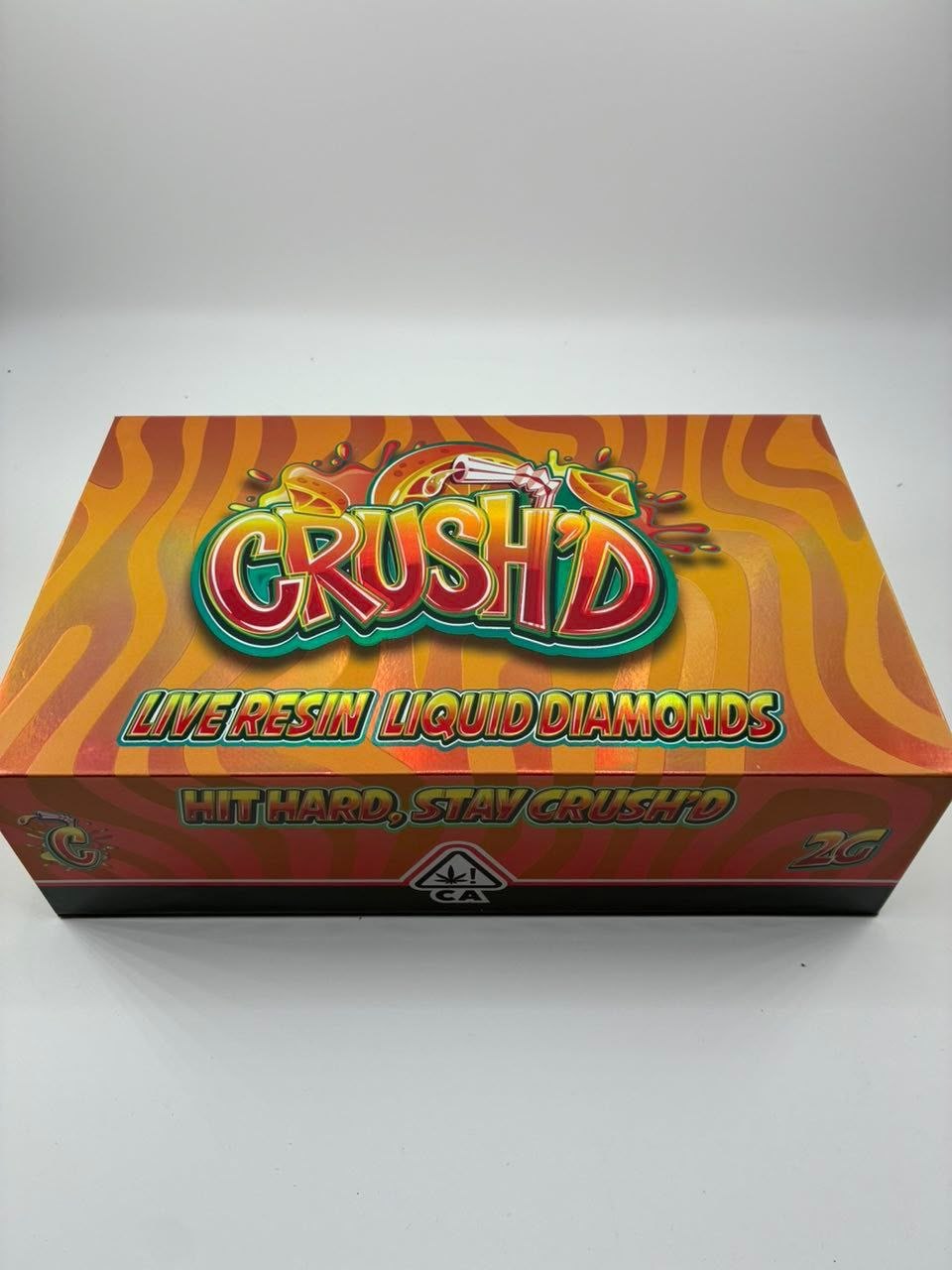


Crush’d 2G Disposable
The crush’d 2g disposable is a disposable vape product identified by the Crush’d name and a stated 2-gram capacity. Product specifications can vary between versions, flavors, production batches, and markets, so the physical packaging should be treated as the primary source for exact information.
A complete product listing should distinguish the device’s hardware characteristics from the formulation contained inside it. This is particularly important when products are available in multiple variants.
Product Overview
The Crush’d 2G Disposable is presented in an all-in-one disposable format. This type of device integrates the reservoir, heating system, battery, and mouthpiece into a single unit.
The 2G designation refers to the stated quantity or capacity associated with the particular product. It should not be interpreted by itself as a measurement of THC concentration, potency, or expected duration.
Exact net quantity should be taken from the current product packaging.
Product Specifications
-
Brand: Crush’d
-
Product: 2G Disposable
-
Format: Disposable vape
-
Stated capacity: 2G, subject to package verification
-
Flavor: Verify exact variant
-
Cannabinoids: Verify current labeling
-
Ingredients: Verify package
-
Formulation: Verify manufacturer documentation
-
Activation: Verify specific device
-
Battery: Verify specific device
-
Charging: Verify specific device
-
Batch/lot: Verify package
-
Testing: Verify applicable documentation
2G Capacity
The 2G designation is an important product identifier, but capacity and potency are separate measurements.
A device labeled 2G can have a cannabinoid concentration that differs from another 2G product. Consequently, cannabinoid information should always be listed independently.
For finished cannabis products, the product label or applicable laboratory report should be used to establish THC, CBD, and other cannabinoid values.
Disposable Design
The disposable format combines the principal operating components into one device.
This can include an internal reservoir, heating element, battery, airflow system, and mouthpiece. The exact configuration should be verified for the Crush’d model being cataloged.
Hardware features should not be transferred automatically from another product with a similar name or capacity.
Flavor and Variant Information
If Crush’d 2G Disposable products are offered in multiple flavors, each variant should be recorded separately.
A useful catalog structure is:
Variant: [Exact package name]
Capacity: [Verified]
THC: [Verified]
CBD: [Verified]
Formulation: [Verified]
Batch: [Verified]
This makes it easier to maintain accurate inventory records and prevents specifications from one variant being applied to another.
Cannabinoid Information
For a finished cannabis product, the cannabinoid profile should be obtained from the current packaging or corresponding laboratory documentation.
Relevant fields may include:
-
Total THC
-
THC percentage
-
THC quantity
-
Total CBD
-
CBD percentage
-
CBD quantity
-
Other listed cannabinoids
The values should correspond to the exact product and, where appropriate, the exact batch.
Formulation
The formulation should be identified using the manufacturer’s terminology.
If the package identifies a particular extract, concentrate, distillate, resin, terpene formulation, or other ingredient, that information can be recorded exactly as supplied.
The product name alone should not be used to infer an extraction method or ingredient composition.
Hardware Specifications
Hardware information may include:
-
Activation method
-
Battery capacity
-
Charging interface
-
Heating technology
-
Airflow configuration
-
Indicator lights
-
Reservoir design
Only confirmed specifications should be included in a final technical listing.
If a specification is not available, it is preferable to identify it as unverified rather than assume that it matches another Crush’d device.
Battery and Charging
Battery information should be obtained from the package or manufacturer documentation.
Some disposable devices are designed for single-use operation, while others use rechargeable batteries. The exact Crush’d 2G configuration should therefore be verified before a product page states that it is rechargeable or non-rechargeable.
Where charging is supported, the manufacturer’s instructions should be followed.
Packaging
The physical packaging can provide the most reliable product-identification information.
Depending on jurisdiction, the package may identify:
-
Product name
-
Brand
-
Variant
-
Net quantity
-
Cannabinoid content
-
Ingredients
-
Batch number
-
Testing information
-
Manufacturer information
-
Required warnings
-
Regulatory markings
Online descriptions should be reviewed whenever packaging or product specifications change.
Batch Information
Batch or lot numbers can help connect a finished product with its testing documentation.
Retailers should verify that laboratory results correspond to the same product and batch where batch-specific testing is required.
Results from an unrelated product or production run should not be presented as evidence for current inventory.
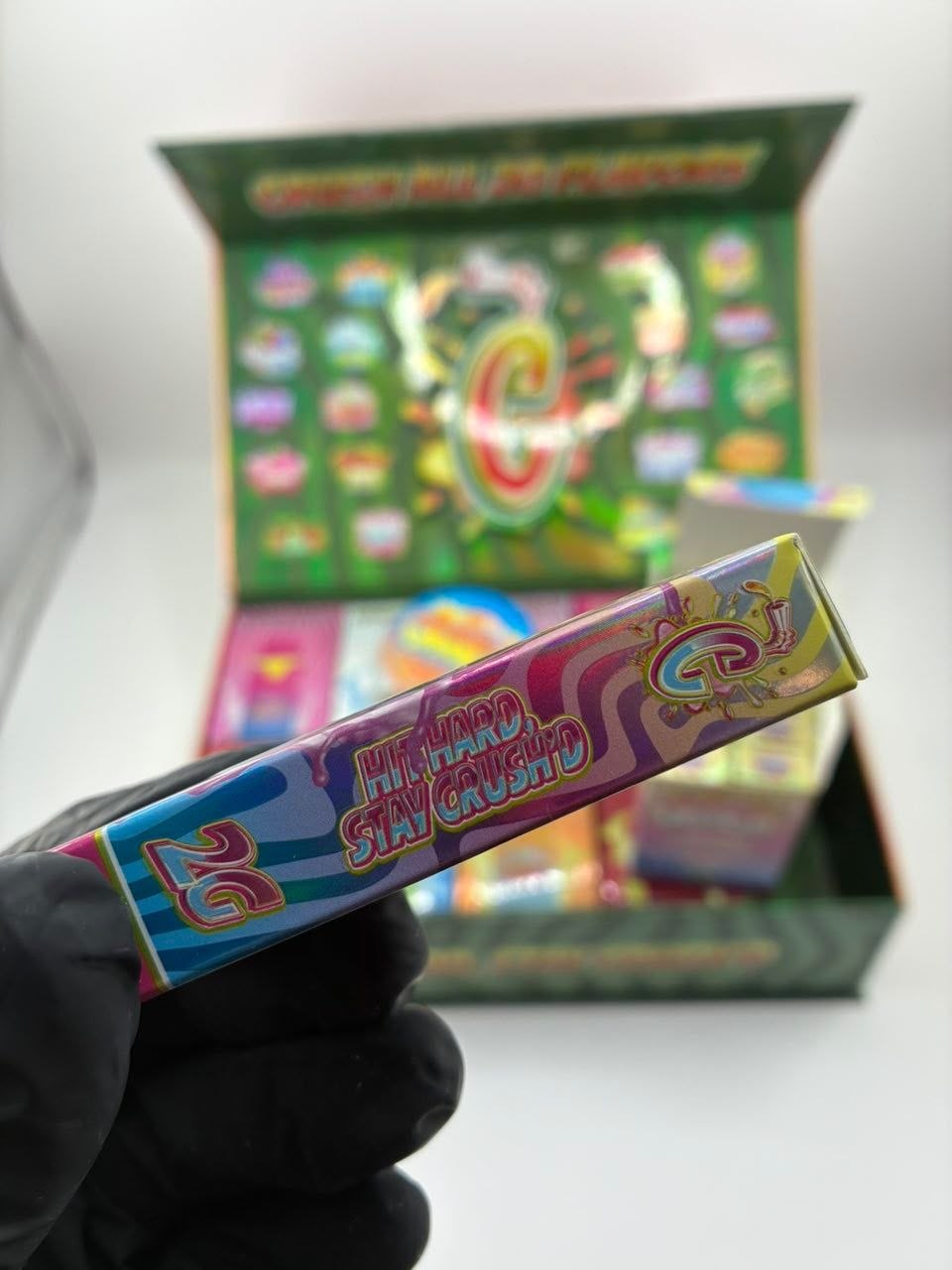
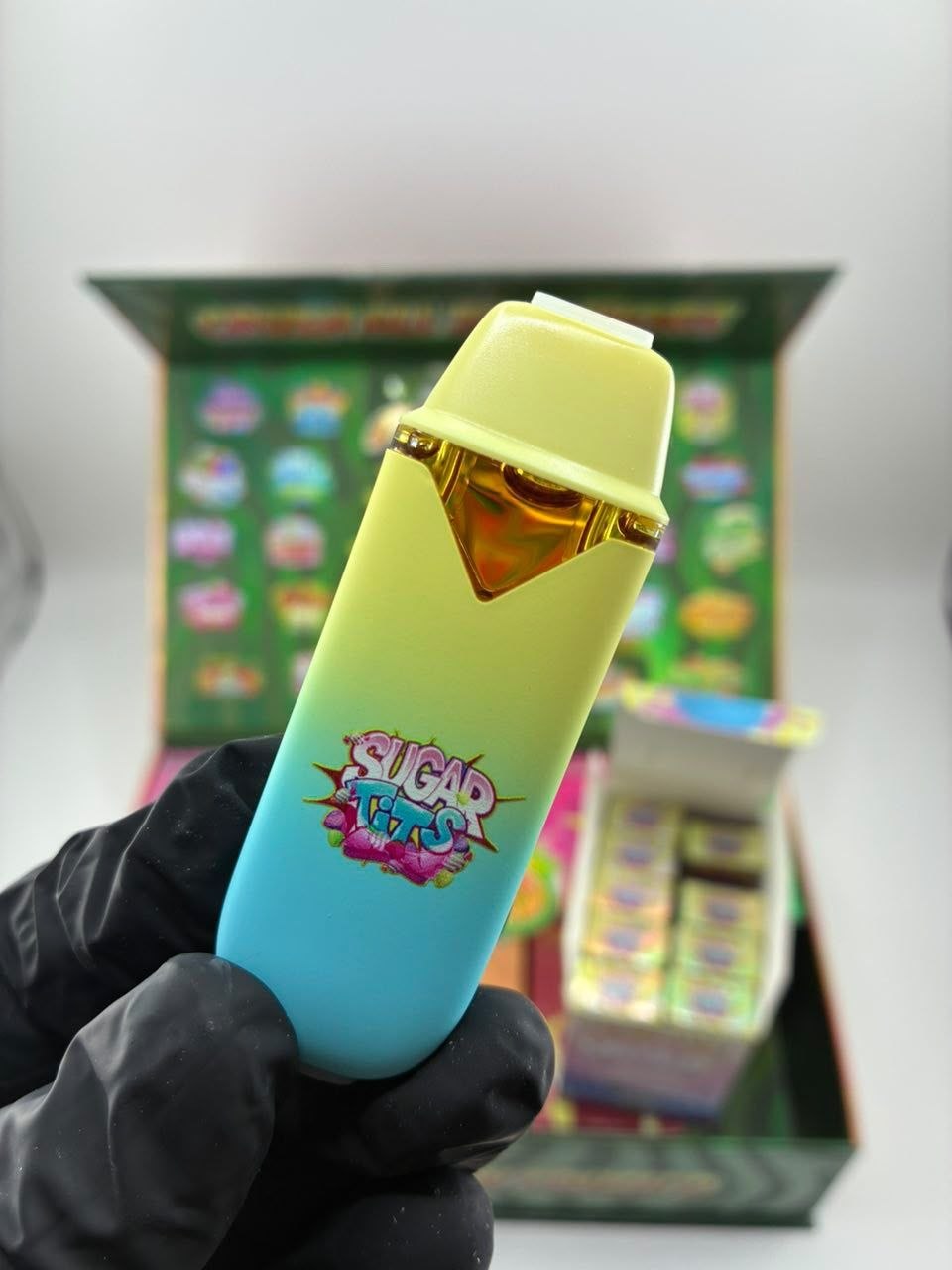
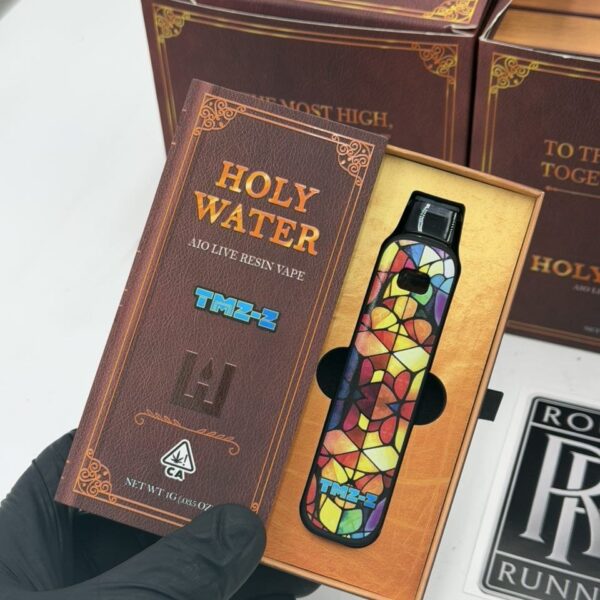
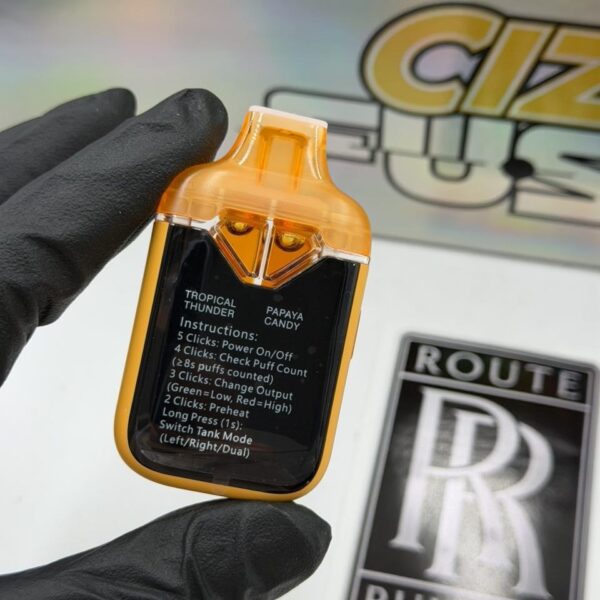
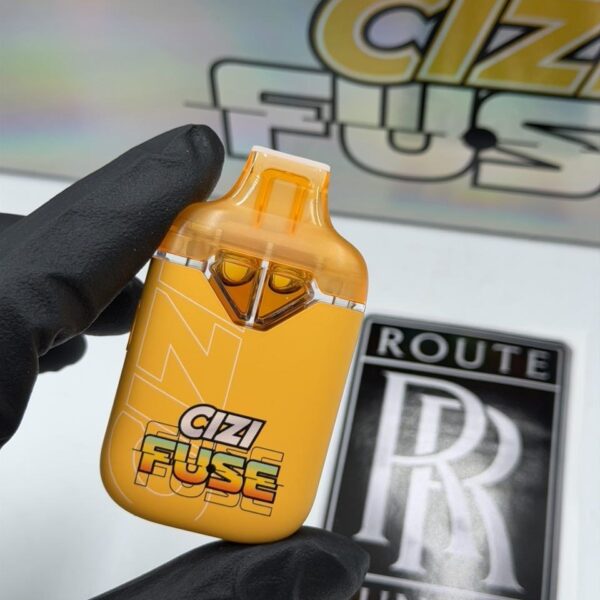
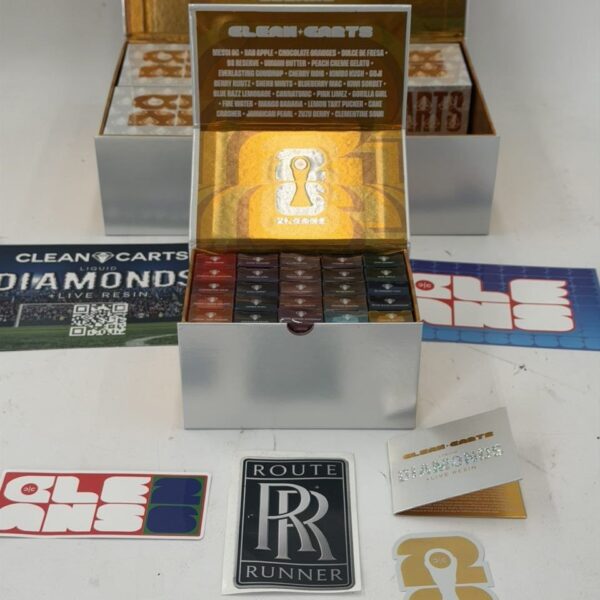
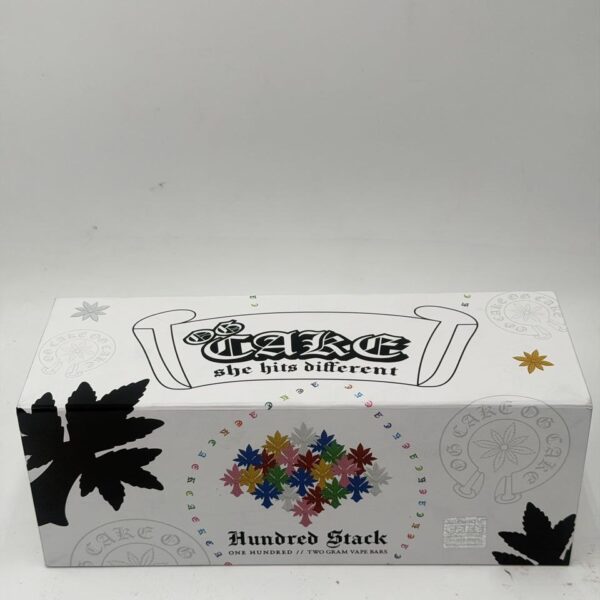
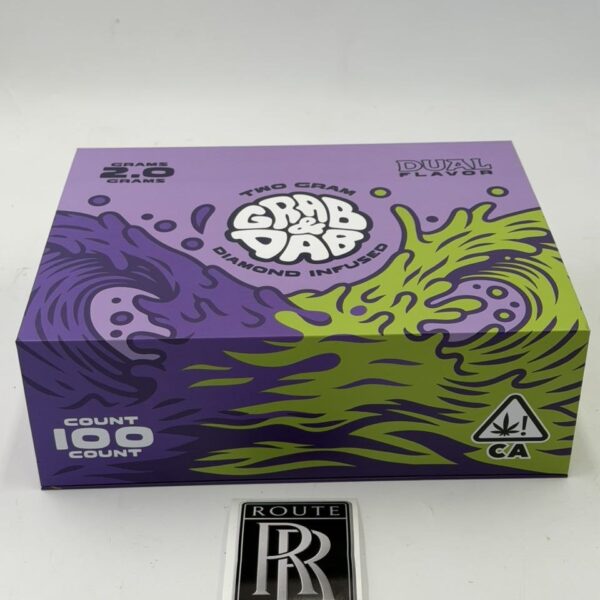
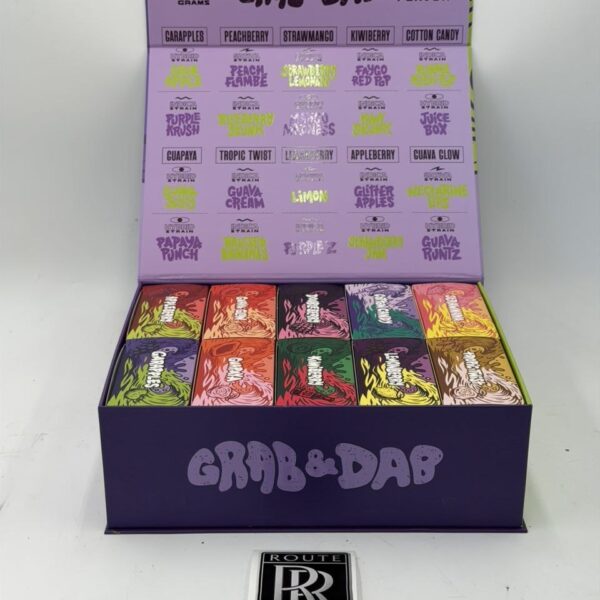
Product Photography
Product photographs should show the actual Crush’d version being offered.
Images can display the device, packaging, branding, variant name, and relevant labeling.
Photographs should not be used to establish technical specifications that cannot otherwise be verified.
If packaging changes, product images should be reviewed and updated.
Storage
The product should be stored according to manufacturer instructions.
It should be protected from excessive heat, moisture, direct sunlight, and physical damage where applicable.
Products containing cannabis should be kept securely away from children and pets.
Specific storage instructions printed on the package should take priority over general recommendations.
Handling
The disposable should not be intentionally dismantled, punctured, crushed, or modified.
If the device is damaged, leaking, unusually hot, or otherwise behaving abnormally, it should not be used. Appropriate manufacturer or retailer procedures should be followed.
Responsible Information
If the product contains THC, it can produce psychoactive effects and impairment.
Consumers should follow the product label and applicable warnings. Driving or operating machinery while impaired should be avoided.
Individual responses can vary, so a product listing should not promise a particular experience, intensity, or duration.
Health and Medical Claims
A product description should not claim that the product treats or cures a medical condition without appropriate authorization.
The presence of cannabinoids does not independently establish medical effectiveness.
Claims concerning pain, anxiety, sleep, inflammation, or other health conditions should only be included when properly authorized and substantiated.
Age and Legal Requirements
Cannabis products and vaping devices can be subject to age restrictions and other regulatory requirements.
Depending on the jurisdiction, rules may address:
-
Minimum purchasing age
-
Packaging
-
Labeling
-
Testing
-
Cannabinoid limits
-
Advertising
-
Transportation
-
Distribution
-
Possession
Retailers should verify the requirements applicable to their particular market.
Inventory Record
A standardized inventory record can help retailers distinguish Crush’d 2G Disposable variants.
Brand: Crush’d
Product: 2G Disposable
Variant: [Verified]
Net quantity: [Verified]
THC: [Verified]
CBD: [Verified]
Other cannabinoids: [Verified]
Ingredients: [Verified]
Hardware: [Verified]
Battery: [Verified]
Charging: [Verified]
Batch: [Verified]
Testing: [Verified]
Stock: [Verified]
Product Verification Checklist
Before publication, verify the:
-
Exact product name
-
Brand
-
Variant
-
Net quantity
-
Cannabinoid profile
-
Ingredients
-
Formulation
-
Activation method
-
Battery specifications
-
Charging capability
-
Batch number
-
Testing documentation
-
Packaging
-
Required warnings
-
Storage instructions
The Crush’d 2G Disposable can be cataloged as a disposable vape identified by the Crush’d name and a stated 2G capacity. Because product specifications can differ between versions and batches, the exact flavor, formulation, cannabinoid content, ingredients, hardware, battery, and charging characteristics should be verified from the current packaging and manufacturer documentation.
The 2G designation describes the stated product quantity and does not independently establish potency or expected duration. Likewise, the product name should not be used to infer a particular extraction method or cannabinoid profile.
For a reliable catalog entry, retailers should separate general product identification from variant-specific information. The physical package, batch information, and applicable laboratory documentation should provide the basis for technical specifications.
If the product contains THC, appropriate warnings regarding psychoactive effects and impairment should accompany the listing. Storage and handling should follow manufacturer instructions, and applicable age and regulatory requirements should be observed.
Product Documentation
A complete record for the Crush’d 2G Disposable should begin with the information printed on the product and its packaging. Product names can sometimes be reused across different versions, while hardware and formulations may change between production batches.
For this reason, the product name alone should not be treated as sufficient evidence for technical specifications.
A catalog record can include the exact model designation, stated quantity, variant, batch number, manufacturer information, cannabinoid profile, ingredient information, and applicable testing documentation.
Where information is unavailable, it should be marked as unverified rather than replaced with an assumption.
Distinguishing Product Versions
A product catalog may contain several products with similar names. The Crush’d 2G Disposable should therefore be distinguished from other Crush’d products according to the identifiers supplied on the packaging.
Useful identifiers can include:
-
Exact product name
-
Product version
-
Flavor or variant
-
Net quantity
-
Package design
-
Batch number
-
Hardware configuration
-
Manufacturer information
If a new shipment has substantially different packaging or specifications, the product should be reviewed before being merged with an existing inventory record.
Quantity and Cannabinoid Content
The stated 2G capacity should be displayed separately from cannabinoid information.
Quantity describes the amount of material associated with the product, whereas THC and other cannabinoids describe the chemical composition. These measurements answer different questions and should not be combined into a single specification.
For example, an inventory system can maintain separate fields for:
Net quantity: [Verified package value]
Total THC: [Verified package value]
Total CBD: [Verified package value]
Other cannabinoids: [Verified value]
This structure allows the catalog to accommodate products with different cannabinoid profiles while retaining the same general hardware description.
Variant Records
When several flavors or formulations are available, each one can receive a unique stock-keeping record.
A variant record might contain the exact package name, flavor, batch number, quantity, cannabinoid information, and corresponding testing documentation.
This is especially useful when two devices have identical exterior hardware but different contents.
The flavor designation should always be copied from the relevant package rather than inferred from product photographs or similar listings.
Ingredient Verification
Ingredients should be documented using information supplied on the product packaging or official documentation.
Retailers should not infer an ingredient from a flavor name.
For example, a fruit-themed name does not by itself establish which flavoring agents, terpenes, or other ingredients are present.
If the manufacturer provides a complete ingredient list, that information can be incorporated into the technical section of the product page.
Extraction and Formulation Claims
Terms describing cannabis formulations can differ between manufacturers and products.
If the package specifies a particular type of extract or formulation, the exact terminology can be reproduced in the catalog.
If no formulation is stated, the product page should avoid assigning one.
This is preferable to copying formulation claims from another product with a similar name.
Hardware Record
The hardware section can document the physical device independently of its contents.
Potential fields include:
-
Device type
-
Reservoir configuration
-
Heating element
-
Activation system
-
Airflow
-
Battery
-
Charging interface
-
Indicator lights
-
Display, if present
-
Mouthpiece design
Not every specification will necessarily be available.
Unknown specifications should remain blank or be identified as requiring verification.
Activation Method
Disposable devices can use different activation systems.
Some models are draw activated, while others may use a button or another mechanism.
The activation method for a particular Crush’d 2G Disposable should be confirmed before it is added to a product description.
A general statement about disposable devices should not substitute for model-specific information.
Battery Information
Battery specifications can be important for product documentation.
The exact capacity, battery type, and charging configuration should be obtained from the manufacturer’s documentation or physical device.
If the product includes a rechargeable battery, the appropriate charging instructions should be followed.
If the device is designed as non-rechargeable, it should not be modified to add charging functionality.
Charging Safety
Where charging is supported, the device should be charged according to manufacturer instructions.
The device should not be modified, opened, or fitted with an incompatible charging system.
If a charging port or battery appears damaged, the device should be removed from use until appropriate guidance has been obtained.
Physical Inspection
Retailers can perform a basic inspection before adding inventory to saleable stock.
The inspection can verify:
-
Package integrity
-
Device condition
-
Mouthpiece condition
-
Exterior housing
-
Leakage
-
Label readability
-
Batch information
-
Variant identification
-
Required warnings
Damaged or incorrectly labeled units should be separated from ordinary inventory while the issue is reviewed.
Packaging Integrity
Packaging can serve both an identification and quality-control function.
A package should be checked for visible damage, missing labels, illegible information, or discrepancies between the package and the physical device.
If the product is supplied in sealed packaging, the seal should be reviewed according to applicable business procedures.
Any required regulatory information should remain visible and readable.
Laboratory Records
Where laboratory testing applies, the relevant documentation should be connected to the correct product.
A useful record can include:
Product: Crush’d 2G Disposable
Variant: [Verified]
Batch: [Verified]
Testing laboratory: [Verified]
Test date: [Verified]
THC: [Verified]
CBD: [Verified]
Other reported cannabinoids: [Verified]
The information should be checked before being transferred into an online listing.
Testing and Batch Changes
Testing information can change between production batches.
A laboratory result from one batch should not automatically be presented as the result for every Crush’d 2G Disposable.
When a new shipment arrives, the batch number can be compared with the available testing records.
This provides a straightforward way to keep product information current.
Product Photography Standards
Product photographs should correspond to the exact product version.
Useful photographs can include:
-
Front of package
-
Back of package
-
Device
-
Variant designation
-
Quantity information
-
Batch information where appropriate
-
Required warning information
Photographs should not obscure legally required information.
If the manufacturer changes the packaging, the images should be reviewed before continued use.
Inventory Control
A structured inventory system can separate products according to their physical and chemical characteristics.
For example, a retailer can maintain separate records for different flavors while keeping the same general model classification.
The inventory record can include:
SKU: [Internal code]
Brand: Crush’d
Model: 2G Disposable
Variant: [Verified]
Quantity: [Verified]
Batch: [Verified]
Received date: [Internal record]
Testing record: [Verified]
Stock status: [Internal record]
This information can support routine inventory reconciliation.
Returns and Product Issues
If a product is returned because of damage, leakage, malfunction, or a labeling discrepancy, the unit should be separated from regular inventory.
The issue can then be documented using the product’s model, variant, batch, and purchase information.
Where a problem appears to affect multiple units from the same batch, the relevant supplier or manufacturer procedures should be followed.
Storage Conditions
Storage conditions should follow the instructions supplied with the product.
The device should generally be protected from excessive heat, moisture, and physical damage.
Products containing cannabis should be stored securely away from children and pets.
Retailers should also observe any storage requirements established by local regulations.
Transportation
Transportation requirements for cannabis products can vary substantially by jurisdiction.
Businesses should verify applicable requirements before transporting finished cannabis products or cannabis-containing devices.
Product packaging should remain intact, and required documentation should accompany shipments where applicable.
Age Verification
Where the product contains regulated cannabis, age restrictions may apply.
Retailers should verify the legal purchasing age and applicable identification requirements for the market in which the product is sold.
Age restrictions should be reflected in the sales process as required.
Advertising and Product Pages
A factual product page can identify the product without making unsupported claims.
The page can describe the format, quantity, verified variant, ingredients, cannabinoid information, and hardware characteristics.
It should avoid claims that imply guaranteed effects or unsupported medical benefits.
Where THC is present, applicable warnings and impairment information should be provided.
Avoiding Unsupported Claims
Several types of claims should be supported by documentation before publication.
These can include: crush’d 2g disposable crush’d 2g disposable crush’d 2g disposable crush’d 2g disposable crush’d 2g disposable crush’d 2g disposable crush’d 2g disposable crush’d 2g disposable crush’d 2g disposable crush’d 2g disposable crush’d 2g disposable crush’d 2g disposable crush’d 2g disposable crush’d 2g disposable crush’d 2g disposable crush’d 2g disposable crush’d 2g disposable crush’d 2g disposable crush’d 2g disposable crush’d 2g disposable crush’d 2g disposable crush’d 2g disposable crush’d 2g disposable crush’d 2g disposable.
-
Potency claims
-
Purity claims
-
Medical claims
-
Laboratory claims
-
Authenticity claims
-
Official sponsorship claims
-
Ingredient claims
-
Hardware-performance claims
If supporting documentation is unavailable, the claim should be omitted.
Consumer Information
A useful consumer-facing listing should make important information easy to locate.
The first section can identify the product and format.
The technical section can provide verified specifications.
The variant section can identify flavor or formulation.
The safety section can provide storage, handling, impairment, and age information.
This organization makes a long product page easier to navigate.
Compliance Review
Before publication, the final product page should be reviewed for accuracy.
The reviewer can compare the online listing against:
-
Physical product
-
Packaging
-
Manufacturer information
-
Batch information
-
Laboratory documentation
-
Applicable regulations
Any discrepancy should be resolved before publication.
Final Reference Description
The Crush’d 2G Disposable is a product identified by the Crush’d name and a stated 2G format. Exact specifications should be confirmed for the particular product version because flavor, formulation, hardware, battery characteristics, and labeling can vary.
The most reliable product record separates the physical device from the contents. Hardware information can document the device’s construction and operating characteristics, while cannabinoid and ingredient information should be obtained from the finished-product packaging and applicable documentation.
The 2G designation should be treated as a quantity specification rather than a direct indication of potency or expected duration.
For inventory purposes, each flavor or formulation can be maintained as a separate variant, with its own batch and testing information where applicable.
A documentation-based listing should also include appropriate storage, handling, age, impairment, and regulatory information. Unsupported claims about medical benefits, guaranteed effects, potency, purity, or official affiliations should not be added without reliable documentation.
By keeping the product name, quantity, variant, formulation, hardware, batch, testing, and regulatory information in separate fields, a catalog can remain accurate as new versions or production batches are introduced.


Reviews
There are no reviews yet.