

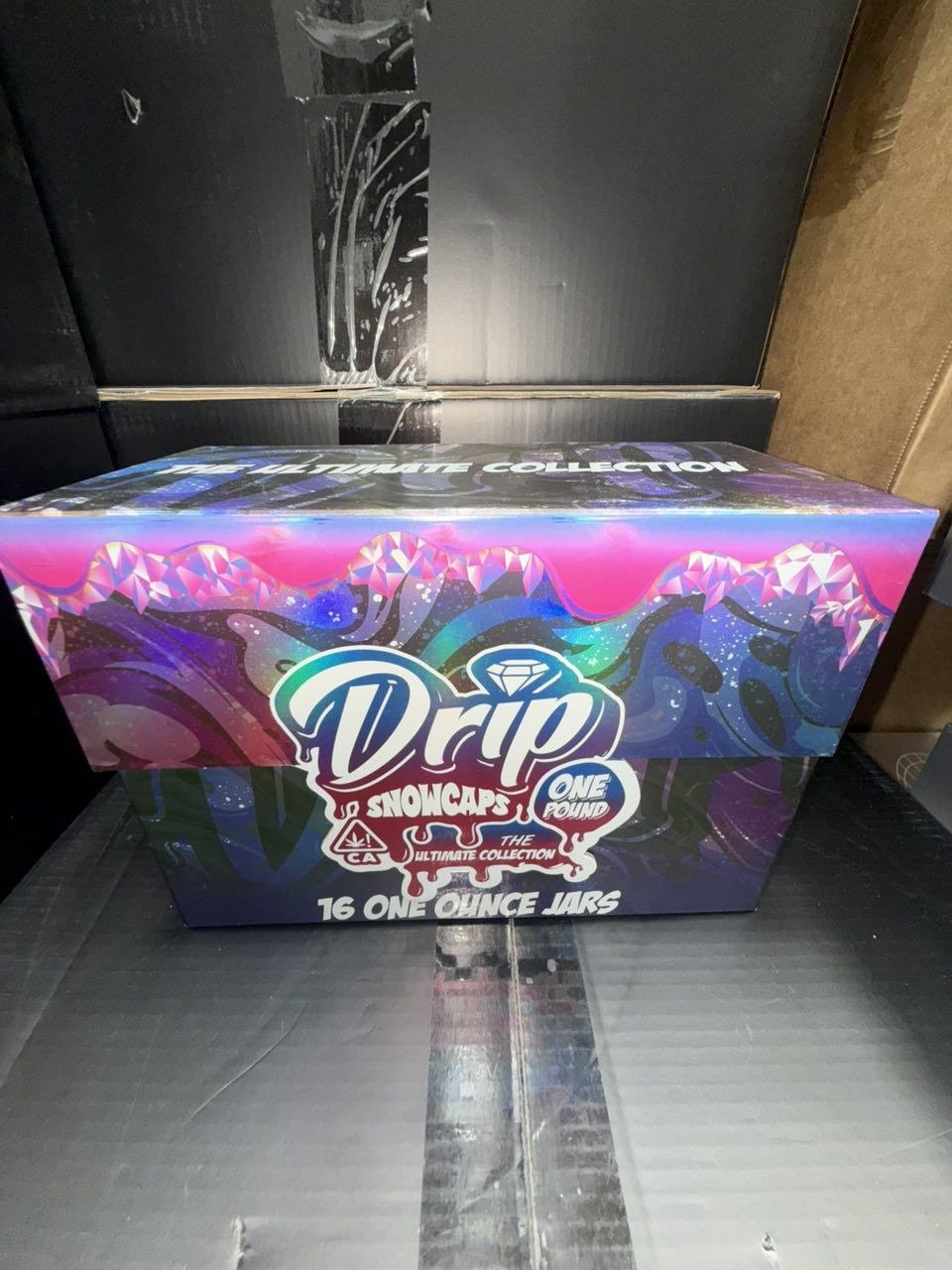
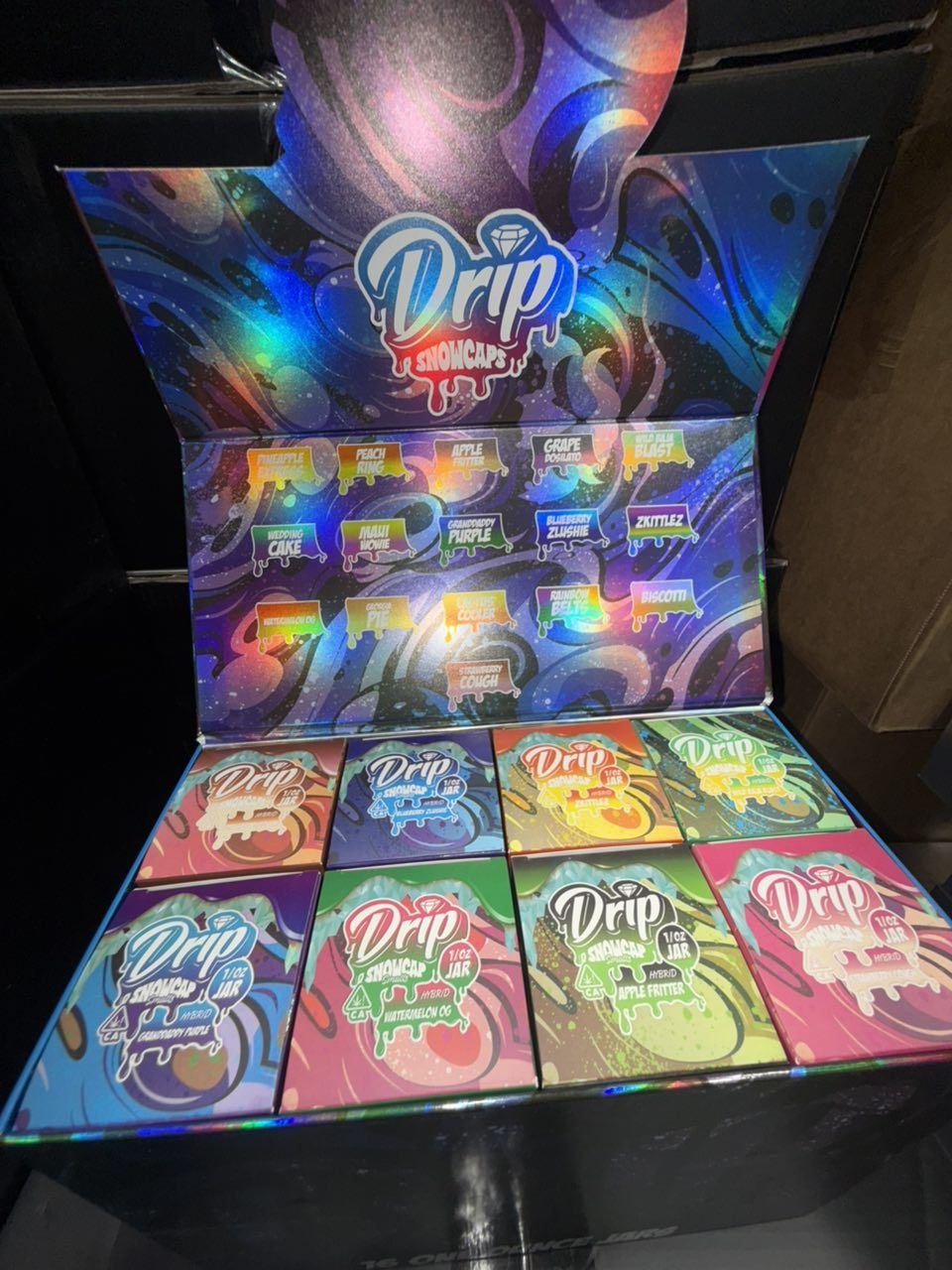



Drip Snowcaps One Pound: An Educational Guide to Cannabis Product Weight, Classification, and Documentation
Introduction
The term drip snowcaps one pound can be examined within the broader context of cannabis product categories, packaging terminology, and industry documentation practices. Product names in regulated markets may combine brand references, descriptive terms, and weight measurements, but understanding a product category requires looking beyond the name itself.
This educational guide explains general concepts related to cannabis product weights, classification systems, packaging information, quality documentation, and regulatory awareness.
Understanding Cannabis Product Weight Designations
Weight measurements are commonly used to identify the amount of material associated with a cannabis product. These measurements help manufacturers, regulators, and consumers understand product quantities.
Common weight designations may include:
- Gram measurements
- Ounce measurements
- Pound measurements
A one-pound designation represents a larger quantity measurement and is generally used as a packaging or inventory reference in applicable markets.
The meaning and permitted use of specific weight categories depend on regional regulations.
Understanding Product Classification
Cannabis products may be classified according to several characteristics. These classifications help organize products within regulated systems.
Classification factors may include:
- Product format
- Source material
- Processing method
- Packaging type
- Regulatory category
Because terminology can differ between manufacturers and regions, official documentation provides important context.
Cannabis Product Documentation
Documentation plays an important role in regulated cannabis industries. Records help connect products with information created during cultivation, processing, packaging, and distribution.
Documentation may include:
- Product identification
- Batch information
- Production records
- Packaging details
- Quality-control records
These records support traceability and help maintain organized product information.
Packaging and Labeling Systems
Packaging serves two primary purposes: protecting products and communicating required information.
Labels may provide details such as:
- Product identification
- Manufacturer information
- Weight information
- Batch references
- Storage instructions
- Regulatory statements
Accurate labeling helps create transparency between manufacturers, regulators, and consumers.
Understanding Traceability
Traceability refers to systems that connect products with documented information throughout their lifecycle.
Traceability systems may support:
- Inventory management
- Manufacturing records
- Quality reviews
- Regulatory reporting
These systems allow products to be linked with production information and documentation.
Quality-Control Concepts
Quality-control practices are used in many regulated industries to support consistency and organization.
General quality-control activities may include:
- Reviewing production procedures
- Maintaining records
- Inspecting packaging
- Managing documentation
The specific procedures used depend on manufacturer standards and applicable regulations.
Storage and Handling Considerations
Storage practices can influence the condition of many product categories. Manufacturers may provide handling recommendations based on product characteristics and packaging design.
General considerations may include:
- Following provided instructions
- Protecting packaging
- Avoiding unsuitable environments
- Maintaining secure storage
Specific requirements vary according to product type and regional guidance.
Regulatory Awareness
Cannabis regulations differ widely between locations. Government authorities may establish requirements related to:
- Production practices
- Packaging standards
- Labeling rules
- Testing requirements
- Distribution systems
Because regulations change over time, current local guidance should be consulted when researching cannabis products.
Understanding Industry Terminology
Learning common terminology can make cannabis-related information easier to interpret.
Weight designation: A measurement used to describe the amount of material associated with a product.
Batch identification: A reference connected to a specific production group.
Traceability: A system used to follow products through documented stages.
Quality control: Organized procedures used to support consistency and documentation.
Regulatory framework: A set of rules established by authorities to manage products and industries.
Responsible Information Research
Cannabis information may come from many different sources, including manufacturers, regulatory organizations, educational resources, and public discussions.
A responsible research approach may involve:
- Reviewing official documentation
- Checking applicable regulations
- Understanding technical terms
- Comparing multiple reliable sources
This approach helps create a more accurate understanding of product categories.
Frequently Asked Questions
What does a one-pound designation describe?
A one-pound designation generally refers to a measurement of product quantity.
Why is labeling important?
Labeling provides identification information and details required by applicable regulations.
Why are batch numbers used?
Batch numbers connect products with manufacturing records and support traceability systems.
Why do cannabis products have different classifications?
Products may differ because of variations in format, processing methods, materials, and regulatory categories.
The Drip Snowcaps One Pound concept can be understood through broader topics such as product measurement, classification, documentation, packaging systems, and regulatory awareness.
A complete understanding of cannabis products involves more than recognizing a product name. It includes learning how products are identified, documented, packaged, and managed within regulated environments.
By focusing on accurate terminology and reliable information sources, consumers can better understand the systems used to organize cannabis product categories.
Drip Snowcaps One Pound: Manufacturing Concepts, Product Records, and Industry Information Systems
Exploring Cannabis Product Manufacturing
Cannabis product manufacturing involves multiple organized stages designed to transform source materials into documented products. These stages may include preparation, processing, packaging, quality procedures, and record management.
The concept of Drip Snowcaps One Pound can be explored through general educational topics related to cannabis product manufacturing, weight measurement, documentation systems, and industry organization.
Understanding these concepts helps explain how cannabis products are categorized and managed within regulated environments.
The Role of Manufacturing Procedures
Manufacturing procedures provide a structured approach for creating consistent products. In regulated industries, documented processes help organizations maintain clear records and follow established requirements.
General manufacturing stages may include:
- Material preparation
- Processing activities
- Product evaluation
- Packaging procedures
- Documentation completion
- Distribution management
The exact procedures depend on the product category, manufacturer practices, and applicable regulations.
Product Records and Information Management
Product records help connect physical products with important information created during manufacturing and distribution.
Records may include:
- Product identification
- Weight information
- Batch references
- Production details
- Packaging records
- Quality documentation
Maintaining organized records supports traceability and allows information to be reviewed throughout the product lifecycle.
Understanding Large-Quantity Packaging
Large-quantity designations are commonly used in inventory, wholesale, and manufacturing contexts. A one-pound measurement represents a specific quantity reference that can be used for product organization and documentation.
Large-quantity packaging systems may require additional attention to:
- Inventory management
- Label accuracy
- Storage organization
- Transportation records
Requirements vary depending on the regulatory environment.
The Importance of Consistent Measurements
Accurate measurements are important in regulated industries. Weight information allows products to be identified and compared using standardized units.
Measurement systems help support:
- Product documentation
- Inventory tracking
- Packaging accuracy
- Regulatory compliance
Reliable measurement practices create clearer connections between products and records.
Quality Management Systems
Quality management involves procedures used to organize production activities and maintain documentation.
General quality-management practices may include:
- Reviewing procedures
- Maintaining records
- Monitoring production stages
- Evaluating packaging information
These systems help create structured manufacturing environments.
Packaging Design and Information Flow
Packaging is an important part of product communication. It protects products while also providing information needed for identification and management.
Packaging may communicate:
- Product category
- Quantity information
- Manufacturer details
- Batch references
- Handling instructions
Clear packaging information supports better understanding of regulated products.
Supply Chain and Distribution Concepts
Cannabis products may move through several stages before reaching their final destination. Each stage may involve documentation and inventory management.
Supply chain activities may include:
- Production tracking
- Inventory organization
- Transportation records
- Distribution documentation
Traceability systems help maintain connections between these stages.
Storage and Inventory Management
Storage systems are important for maintaining organized inventory. Businesses may use specific procedures to manage product records and storage conditions.
General inventory considerations may include:
- Maintaining accurate records
- Organizing products by identification information
- Following applicable storage guidance
- Monitoring inventory movement
Specific requirements depend on local regulations and business practices.
The Importance of Industry Terminology
Understanding industry terminology helps make technical information easier to interpret.
Common terms include:
Inventory management: The process of organizing and tracking products.
Batch record: Documentation connected to a specific production group.
Product specification: Information describing product characteristics.
Quality management: Procedures used to support organized production.
Supply chain tracking: Systems used to follow products through distribution stages.
Evaluating Product Information
Consumers and researchers may encounter information from many different sources. Evaluating these sources carefully helps create a more accurate understanding.
Useful approaches include:
- Reviewing official documentation
- Checking regulatory information
- Understanding terminology
- Comparing reliable sources
A careful research process helps distinguish factual information from general descriptions.
Future Developments in Product Documentation
Technology continues to influence how industries manage product information. Future developments may include improved tracking systems, digital records, and more detailed documentation methods.
Potential developments may include:
- Enhanced inventory systems
- Improved product identification
- More accessible documentation
- Updated regulatory processes
These changes may create stronger connections between products and their documented history.
Summary
The Drip Snowcaps One Pound concept can be examined through broader topics such as manufacturing organization, weight measurement systems, product records, packaging practices, and regulatory awareness.
Understanding these concepts provides insight into how cannabis products are categorized, documented, and managed within structured industry environments.
Drip Snowcaps One Pound: Regulations, Transparency, and Consumer Education
Understanding Regulatory Frameworks
Cannabis industries operate within regulatory systems that vary by location. Government authorities may establish rules that influence cultivation, manufacturing, packaging, labeling, testing, and distribution practices.
The concept of Drip Snowcaps One Pound can be understood through a broader educational perspective by examining how cannabis products are documented, identified, and managed within regulated markets.
Regulatory frameworks are designed to support organization, accountability, and access to accurate product information.
The Purpose of Product Regulations
Regulations provide standards that guide businesses operating within controlled industries. These standards may help establish expectations for product handling, documentation, and information sharing.
Regulatory areas may include:
- Manufacturing requirements
- Packaging standards
- Labeling practices
- Testing procedures
- Recordkeeping systems
- Distribution guidelines
The specific requirements depend on the rules established within each jurisdiction.
Product Transparency and Information Sharing
Transparency involves providing clear and accurate information about products and their related documentation.
Important areas of transparency may include:
- Product identification
- Quantity information
- Manufacturing records
- Packaging details
- Regulatory information
Clear information systems help connect products with the records and procedures used to manage them.
The Role of Labels in Consumer Awareness
Labels serve as a primary source of product information. They help communicate details required by regulations and provide a reference point for identification.
Labels may include:
- Product name
- Weight designation
- Batch information
- Manufacturer details
- Storage guidance
- Required notices
Understanding labels helps consumers interpret factual information more effectively.
Traceability and Accountability Systems
Traceability systems are used to maintain connections between products and their documented history.
These systems may support:
- Product tracking
- Inventory organization
- Manufacturing reviews
- Regulatory processes
By maintaining records throughout production and distribution, organizations can create clearer information pathways.
The Importance of Consumer Education
Education helps consumers understand technical information associated with regulated products. Cannabis terminology can include specialized concepts related to measurements, classifications, and manufacturing.
Educational topics may include:
- Product categories
- Weight measurements
- Documentation practices
- Regulatory terminology
- Industry processes
A stronger understanding of these concepts allows individuals to evaluate information more carefully.
Responsible Research Methods
When researching cannabis products, it is useful to consider the quality and purpose of available information.
Responsible research practices may involve:
- Reviewing official sources
- Checking regional regulations
- Understanding technical terms
- Comparing multiple references
This approach helps create a balanced understanding of product categories.
Environmental and Disposal Awareness
Cannabis products and their packaging may involve materials that require responsible disposal. Environmental considerations are becoming increasingly important across many industries.
Responsible practices may include:
- Following local disposal instructions
- Recycling suitable materials
- Reducing unnecessary waste
- Learning about available programs
Regional requirements should always be considered when managing product-related materials.
Common Questions About Product Information
Why do regulations differ between regions?
Different governments establish their own standards, resulting in different requirements and procedures.
Why is accurate labeling important?
Labels provide identification information and help communicate details required by applicable rules.
Why are documentation systems used?
Documentation systems help organize information and connect products with manufacturing and distribution records.
Why is consumer education valuable?
Education helps people understand terminology, classifications, and information systems more effectively.
Future Trends in Cannabis Information Management
As industries continue to develop, product information systems may become more advanced. Technology and updated regulatory approaches may influence how products are tracked and documented.
Future developments may include:
- Improved digital records
- Enhanced tracking systems
- More detailed labeling methods
- Expanded educational materials
These improvements may create more accessible and organized information for regulated markets.
Educational Perspective
The Drip Snowcaps One Pound concept can be examined through the wider topics of cannabis product measurement, regulatory systems, documentation practices, and consumer education.
Understanding these areas provides a clearer view of how products are classified, recorded, packaged, and managed within regulated environments.
By focusing on accurate terminology, reliable information sources, and awareness of applicable regulations, consumers can better understand the systems behind cannabis product categories and the importance of transparent product information.
Additional Educational Content: Product Lifecycle, Market Organization, and Information Transparency
Understanding the Cannabis Product Lifecycle
The lifecycle of a cannabis product involves multiple stages, beginning with planning and production and continuing through packaging, documentation, distribution, and responsible management after use.
Each stage may involve different systems designed to maintain organization and accuracy. These systems help connect products with important information and support communication between businesses, regulators, and consumers.
A general product lifecycle may include:
- Development and planning
- Production activities
- Quality documentation
- Packaging procedures
- Distribution processes
- Record maintenance
Understanding this lifecycle provides a broader perspective on how regulated products move through different stages before reaching their final destination.
The Importance of Information Accuracy
Accurate information plays an important role in regulated industries. Product descriptions, labels, and documentation must communicate details clearly so that information can be understood and reviewed.
Accurate information systems may support:
- Better product identification
- Improved record management
- Clearer regulatory review
- More organized inventory systems
When information is maintained consistently, it creates stronger connections between products and their documented history.
Market Organization and Product Categories
Cannabis markets contain many different product categories, each with its own terminology and documentation practices. Weight measurements, product formats, and classification terms help organize these categories.
Market organization may involve:
- Standardized measurements
- Product identification systems
- Packaging requirements
- Documentation procedures
These systems allow businesses and regulators to manage information across different stages of production and distribution.
The Role of Digital Tracking Systems
Technology continues to influence how industries manage product information. Digital systems can help organize records, improve tracking, and provide more efficient methods of managing information.
Digital tracking systems may assist with:
- Inventory records
- Product history documentation
- Data organization
- Regulatory reporting
As technology develops, information systems may continue to become more detailed and accessible.
Building Consumer Knowledge Through Education
Educational resources help explain complex topics by introducing technical concepts in a clear way. Cannabis products often involve specialized vocabulary that can be easier to understand when explained through broader industry principles.
Education may help explain:
- Measurement terminology
- Manufacturing concepts
- Documentation systems
- Regulatory structures
- Product classification methods
A stronger understanding of these areas allows consumers to interpret product information more effectively.
The Importance of Responsible Information Evaluation
Because cannabis information can appear across many different platforms, evaluating sources carefully is important. Different sources may provide technical details, opinions, general explanations, or commercial information.
Responsible evaluation may include: drip snowcaps one pound drip snowcaps one pound drip snowcaps one pound drip snowcaps one pound drip snowcaps one pound drip snowcaps one pound drip snowcaps one pound drip snowcaps one pound drip snowcaps one pound drip snowcaps one pound drip snowcaps one pound drip snowcaps one pound drip snowcaps one pound drip snowcaps one pound drip snowcaps one pound drip snowcaps one pound drip snowcaps one pound drip snowcaps one pound.
- Looking for documented information
- Reviewing official resources
- Understanding terminology
- Considering regional requirements
This approach supports a more complete and balanced understanding of cannabis product systems.
Final Educational Summary
The Drip Snowcaps One Pound concept can be explored through broader themes including product lifecycle management, measurement systems, documentation practices, regulatory awareness, and consumer education.
A complete understanding of cannabis product categories requires attention to more than product names alone. It involves examining how products are classified, recorded, packaged, tracked, and managed within organized systems.
Through accurate terminology, reliable information sources, and awareness of regulatory frameworks, individuals can develop a clearer understanding of the processes that shape modern cannabis product management.



Reviews
There are no reviews yet.