

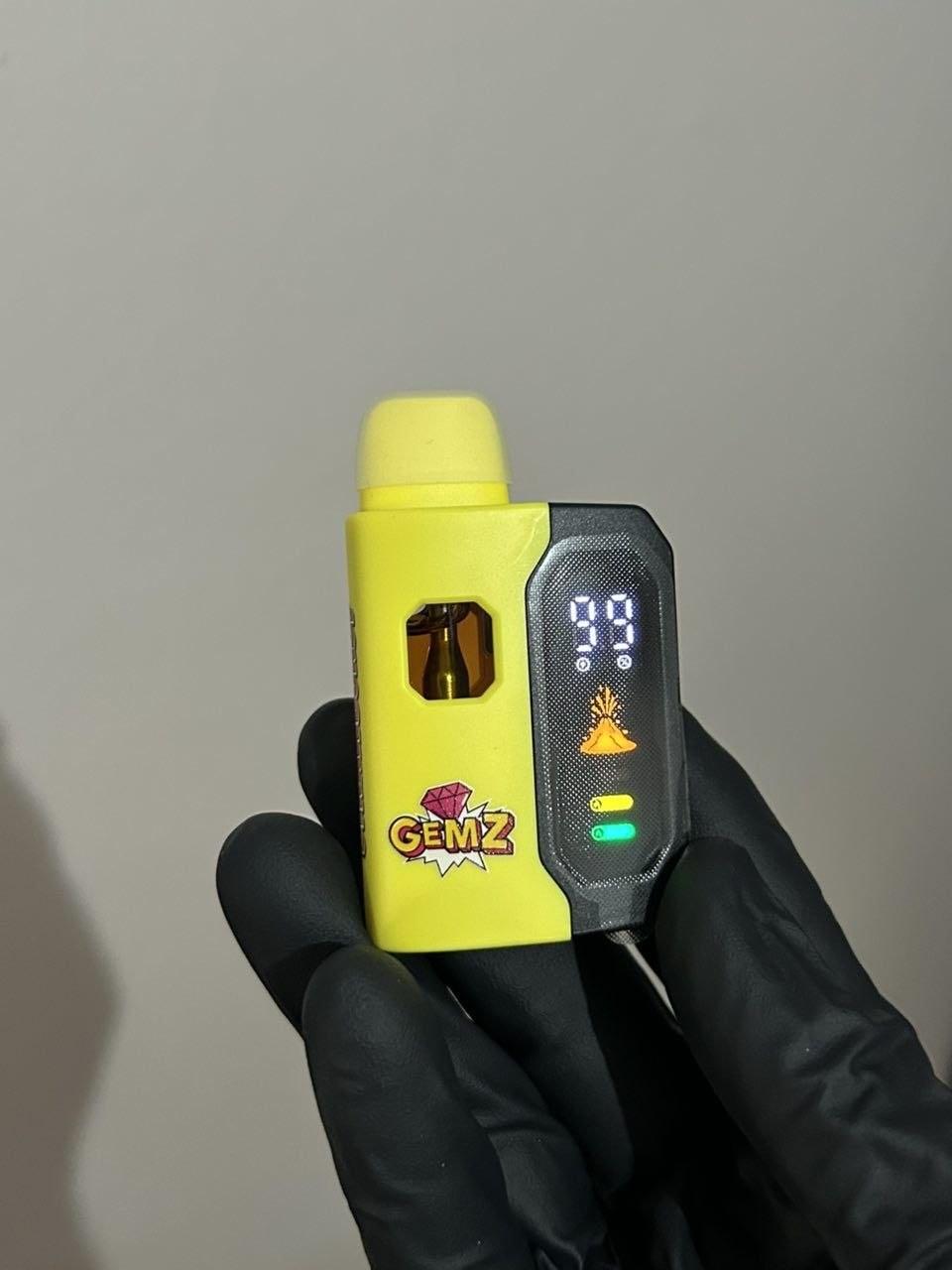
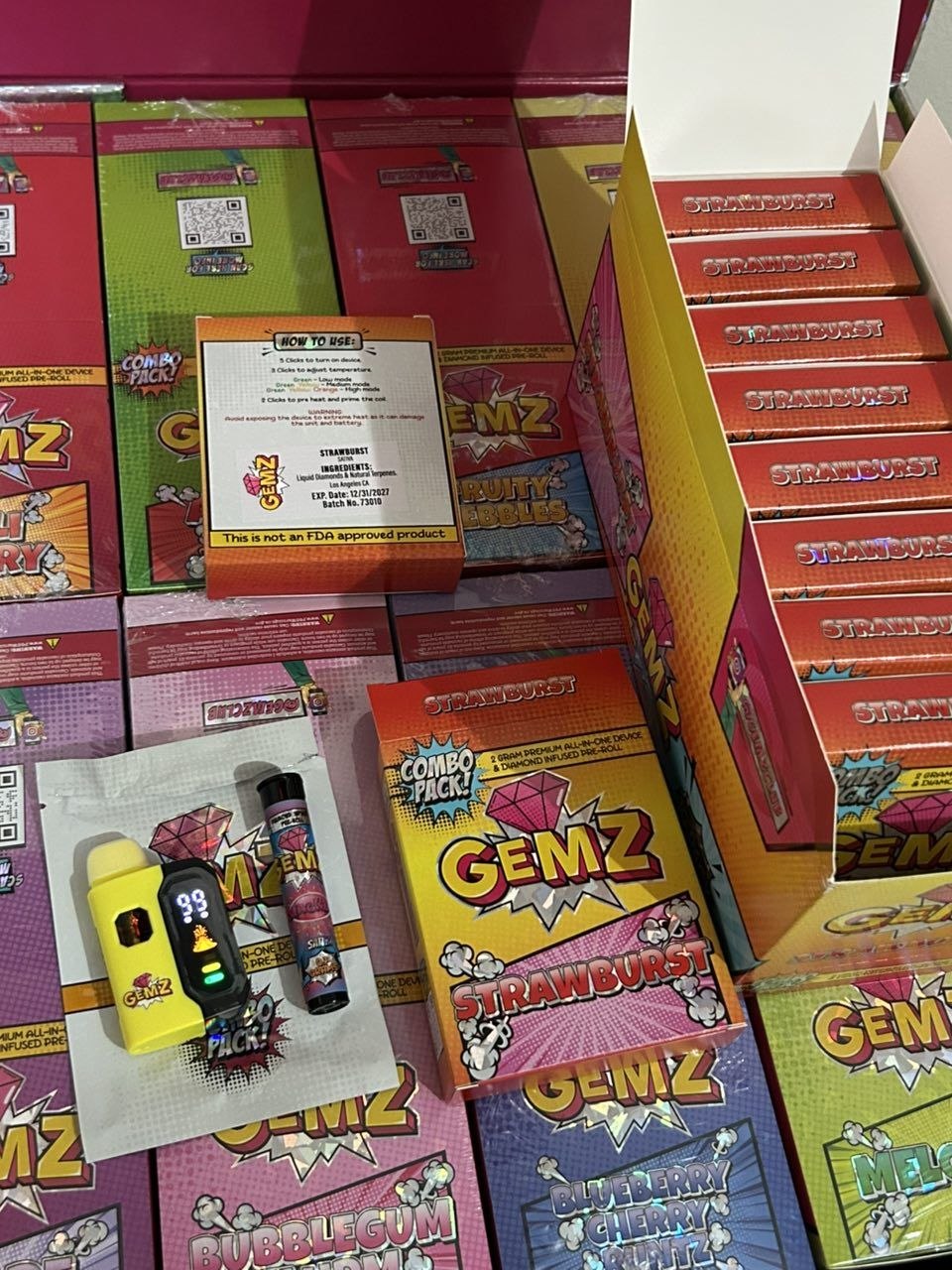


Gemz 2G Disposable: An Educational Guide to Disposable Cannabis Vaporizer Devices
Introduction
The gemz 2g disposable can be understood within the broader category of disposable cannabis vaporizer devices. These products combine electronic hardware, integrated power systems, and enclosed components into a compact, self-contained format. While product names help distinguish one model from another, understanding this category requires familiarity with the underlying technology, manufacturing concepts, documentation systems, and regulatory practices.
Disposable vaporizer devices have become one of several formats used in regulated cannabis markets. They are engineered as complete units rather than modular systems, and they typically integrate several components into a single housing. This educational guide explains general concepts related to disposable cannabis vape devices without focusing on commercial claims or promotional messaging.
Understanding Disposable Cannabis Vaporizer Devices
A disposable cannabis vaporizer is an integrated electronic device that combines multiple components into one enclosed product. Unlike reusable systems that may allow component replacement, disposable devices are generally manufactured as complete units.
Typical components include:
- Integrated battery
- Heating element
- Internal chamber
- Airflow pathway
- Protective housing
- Mouthpiece
Each manufacturer may use different materials, layouts, and engineering methods depending on the intended product design.
Understanding the 2G Designation
The term 2G is commonly used as a capacity designation provided by the manufacturer. It represents one technical specification among several that may appear on product packaging.
Other identifying information may include:
- Product name
- Manufacturer details
- Batch or lot number
- Packaging date
- Product category
- Regulatory notices
Capacity information alone does not describe every aspect of a product. Reviewing complete product documentation provides a more comprehensive understanding.
Core Hardware Components
Disposable vaporizer devices contain several integrated hardware elements that work together within a compact enclosure.
Battery
The battery supplies electrical energy for the operation of the device. Battery design varies depending on engineering objectives, available space, and manufacturing specifications.
Because batteries contain electronic materials, they should be disposed of through approved battery recycling or electronic waste collection programs whenever available.
Heating Assembly
The heating assembly is responsible for converting electrical energy into heat. Manufacturers may use different materials and construction methods depending on their engineering approach.
The exact technical specifications differ between product models.
Airflow System
Airflow channels are designed to guide air through the internal structure of the device. Manufacturers determine airflow configurations based on the overall architecture of the product.
Exterior Housing
The housing protects internal components while providing structural support. Housing materials, finishes, and dimensions vary depending on product design.
Product Identification
Product identification helps distinguish one manufacturing batch or model from another.
Packaging may include:
- Product name
- Manufacturer information
- Capacity designation
- Batch identification
- Packaging information
- Regulatory statements
These details support accurate recordkeeping and product traceability.
Manufacturing Concepts
Disposable electronic devices are generally produced through organized manufacturing workflows.
Common production stages include:
- Product design
- Component procurement
- Assembly
- Inspection
- Packaging
- Distribution
Each stage may generate records that become part of the product’s documented manufacturing history.
Documentation and Traceability
Documentation allows manufacturers to organize production information and connect finished products with manufacturing records.
Typical documentation may include:
- Product specifications
- Assembly records
- Batch documentation
- Packaging information
- Quality-management records
Traceability systems help maintain connections between manufacturing activities and finished products throughout the supply chain.
Packaging and Label Information
Packaging serves both protective and informational purposes.
Product labels may provide:
- Product identification
- Manufacturer information
- Capacity designation
- Batch number
- Storage recommendations
- Regulatory notices
Reading labels carefully helps consumers understand documented product information rather than relying only on product names or appearance.
Quality Management
Quality-management systems support structured manufacturing and documentation processes.
General quality-management activities may include:
- Reviewing production procedures
- Monitoring manufacturing records
- Inspecting packaging
- Organizing documentation
The exact procedures depend on the manufacturer’s internal standards and applicable regulatory requirements.
Storage and Handling
Manufacturers may provide guidance regarding storage and handling based on product design.
General considerations include:
- Keeping products in their original packaging
- Following manufacturer instructions
- Protecting products from unsuitable environmental conditions
- Storing products securely
Specific recommendations vary depending on the product and local regulations.
Environmental Considerations
Disposable electronic devices contain batteries and electronic components that require responsible disposal.
Environmental practices may include:
- Using approved battery recycling programs
- Following local electronic waste regulations
- Separating electronic devices from household waste where required
Local disposal requirements differ by jurisdiction.
Frequently Asked Questions
What is a disposable cannabis vaporizer?
It is a self-contained electronic device that integrates a battery, heating system, housing, and other components into a single unit.
What does the 2G designation indicate?
It is generally used as a manufacturer-provided capacity specification.
Why are batch numbers included?
Batch numbers connect products with manufacturing documentation and support traceability.
Why is documentation important?
Documentation helps organize production records, quality-management information, and product identification.
The Gemz 2G Disposable can be understood within the broader category of disposable cannabis vaporizer devices by examining concepts such as integrated hardware, manufacturing workflows, product identification, documentation systems, packaging practices, and regulatory awareness.
Learning these general principles provides a clearer understanding of how disposable cannabis vape devices are categorized and managed within regulated markets. An emphasis on accurate terminology, reliable documentation, and factual information helps readers better understand this product category without relying on promotional or advertising claims.
Gemz 2G Disposable: Device Architecture, Manufacturing Systems, and Technical Documentation
Understanding the Design of Disposable Vaporizer Devices
The Gemz 2G Disposable belongs to the broader category of integrated disposable cannabis vaporizer devices. These products combine several electronic and structural components into a compact unit that is assembled during manufacturing. While individual products differ in appearance and construction, many follow similar engineering principles related to component integration, documentation, and quality management.
Learning about disposable devices from a technical perspective helps readers understand how these products are designed, categorized, and documented within regulated industries. Rather than focusing on branding or marketing, this guide explains the manufacturing concepts and information systems commonly associated with disposable vaporizer technology.
Device Architecture and Internal Design
Device architecture refers to the arrangement of internal components that allow an electronic product to function as a complete system. Engineers develop different layouts depending on design objectives, available manufacturing methods, and product specifications.
A typical disposable vaporizer may include:
- Protective outer housing
- Integrated battery compartment
- Heating assembly
- Internal airflow channels
- Mouthpiece
- Electrical connections
Each component is positioned according to the manufacturer’s engineering approach. Although designs vary, the objective is to integrate the system into a compact and durable format.
Component Integration
Unlike modular devices that allow replacement of certain parts, disposable devices are generally assembled as complete units during production.
Component integration may involve:
- Electrical connections between internal parts
- Structural alignment during assembly
- Material compatibility
- Mechanical stability
- Manufacturing efficiency
Proper integration supports consistency throughout the manufacturing process and helps maintain product specifications.
Battery Technology
Integrated batteries provide electrical power for disposable electronic devices. Manufacturers may select battery configurations based on product size, engineering requirements, and intended operating characteristics.
Battery-related considerations include:
- Physical dimensions
- Electrical capacity
- Placement within the housing
- Protective circuitry
Because batteries contain electronic materials, responsible recycling or disposal through approved collection programs is recommended where available.
Heating Assembly Concepts
The heating assembly converts electrical energy into heat through engineered components located within the device.
Manufacturers may vary in their choice of:
- Component materials
- Assembly methods
- Internal configurations
- Production techniques
Technical details are typically documented within manufacturing records and product specifications.
Airflow Engineering
Airflow systems are an important aspect of disposable vaporizer design. Engineers create airflow pathways that connect internal components while maintaining the intended structural arrangement.
Airflow planning may include:
- Channel positioning
- Internal spacing
- Housing geometry
- Component alignment
Each manufacturer may adopt different engineering solutions depending on the overall device architecture.
Manufacturing Workflow
Disposable electronic products are generally produced through organized manufacturing stages.
These stages commonly include:
- Product planning and design
- Component sourcing
- Assembly operations
- Inspection procedures
- Packaging
- Distribution
Each stage contributes to the product’s documented manufacturing history.
Documentation and Manufacturing Records
Documentation plays an important role in organizing production activities.
Common manufacturing records include:
- Product specifications
- Assembly documentation
- Batch records
- Packaging information
- Quality-management files
These records support traceability and help manufacturers maintain organized production systems.
Product Packaging and Identification
Packaging protects products while communicating factual information.
Packaging may include:
- Product identification
- Manufacturer details
- Capacity designation
- Batch or lot number
- Storage recommendations
- Regulatory notices
Reviewing official labeling helps consumers understand documented product information.
Quality-Management Systems
Quality management involves organized procedures designed to support consistency during production.
General quality-management activities may include:
- Reviewing manufacturing procedures
- Monitoring production documentation
- Inspecting packaging
- Maintaining quality records
The exact procedures vary according to manufacturer standards and applicable regulations.
Researching Product Information
Consumers and researchers may obtain information from manufacturers, educational resources, regulatory agencies, and technical publications.
A responsible research approach may involve:
- Reviewing official documentation
- Understanding technical terminology
- Comparing multiple reliable sources
- Checking current regional regulations
Using several trustworthy references provides a more balanced understanding of disposable vaporizer technology.
]Frequently Asked Questions
Why do disposable devices have different internal designs?
Manufacturers use different engineering approaches, production methods, and component selections depending on their design objectives.
Why are manufacturing records maintained?
Production records organize manufacturing information, support traceability, and document quality-management activities.
Why is technical terminology useful?
Technical terminology helps readers interpret product specifications, documentation, and educational resources more accurately.
Are all disposable devices manufactured in the same way?
No. Materials, internal layouts, engineering methods, and production workflows vary among manufacturers and product categories.
Summary
The Gemz 2G Disposable provides an opportunity to understand broader concepts related to disposable cannabis vaporizer technology, including device architecture, component integration, manufacturing systems, documentation practices, and quality management.
By focusing on engineering principles, product identification, and organized documentation rather than promotional claims, readers can develop a clearer understanding of how disposable vaporizer devices are designed and managed within regulated industry environments.
Gemz 2G Disposable: Regulations, Product Labeling, Traceability, and Consumer Education
Introduction
The Gemz 2G Disposable can be examined through the broader framework of cannabis product regulation, product identification, documentation, and consumer education. Disposable vaporizer devices are generally subject to legal and regulatory requirements that vary by jurisdiction. These requirements help establish standards for manufacturing, packaging, labeling, recordkeeping, and distribution.
Understanding these systems provides valuable context for interpreting product information. Rather than relying on branding or appearance alone, consumers can learn how documentation and regulatory practices contribute to product identification and transparency.
Understanding Regulatory Frameworks
Cannabis regulations differ from one jurisdiction to another. Government agencies may establish standards that influence how products are manufactured, packaged, documented, and distributed.
Regulatory frameworks often address topics such as:
- Manufacturing practices
- Product identification
- Packaging standards
- Labeling requirements
- Recordkeeping procedures
- Distribution documentation
Because regulations evolve over time, businesses operating in regulated markets are generally expected to follow the rules that apply within their location.
Product Labels and Consumer Information
A product label serves as an important source of factual information. Labels help connect the physical product with manufacturing records and regulatory documentation.
Depending on regional requirements, labels may include:
- Product name
- Manufacturer information
- Capacity or quantity designation
- Batch or lot number
- Packaging date
- Storage guidance
- Regulatory notices
Reviewing label information carefully allows consumers to better understand the documented characteristics of a product.
Batch Numbers and Traceability
Batch identification is commonly used to organize production records. A batch number links products to a specific manufacturing group and supports information management throughout the supply chain.
Traceability systems may assist with:
- Production documentation
- Inventory management
- Quality reviews
- Distribution tracking
- Regulatory reporting
These systems provide a documented connection between a finished product and its manufacturing history.
Documentation Throughout the Product Lifecycle
Documentation is created at multiple stages of production and distribution. These records help manufacturers organize information while supporting transparency and accountability.
Examples of documentation include:
- Product specifications
- Assembly records
- Batch documentation
- Packaging records
- Quality-management files
Maintaining accurate records contributes to consistent information management and product identification.
Packaging as an Information Resource
Packaging performs both protective and informational functions. In addition to helping protect the product during storage and transportation, packaging communicates key details that assist with identification.
Packaging information may include:
- Product identification
- Manufacturer details
- Capacity designation
- Batch references
- Storage recommendations
- Required regulatory statements
Understanding packaging information helps consumers interpret product documentation with greater accuracy.
Consumer Education and Technical Understanding
Education is an important part of understanding specialized product categories. Disposable vaporizer devices involve technical terminology related to electronics, manufacturing, and documentation.
Educational topics may include:
- Device architecture
- Product measurements
- Manufacturing concepts
- Documentation systems
- Regulatory terminology
Learning these concepts enables readers to interpret product information more effectively.
Environmental Responsibility
Disposable electronic devices contain batteries and electronic components that should be managed responsibly after use.
General environmental practices include:
- Following local battery recycling guidelines
- Using approved electronic waste collection programs
- Separating electronic devices from household waste where required
- Reviewing local disposal recommendations
Disposal requirements vary by jurisdiction, making local guidance especially important.
Common Technical Terms
Disposable device: A self-contained electronic product with integrated components.
Batch number: A production identifier that connects a product with manufacturing records.
Traceability: A documented system used to track products through manufacturing and distribution.
Quality management: Structured procedures that support organized production and documentation.
Regulatory framework: A system of laws and rules established to oversee product manufacturing and distribution.
Product specification: A documented description of a product’s technical and identifying characteristics.
Frequently Asked Questions
Why do labeling requirements vary?
Different jurisdictions establish their own legal requirements, so product labels may differ depending on local regulations.
Why is documentation important?
Documentation supports manufacturing records, traceability, quality management, and product identification throughout the lifecycle.
What is the purpose of a batch number?
A batch number connects a product with a specific production group, making it easier to organize manufacturing information and inventory records.
Why should consumers learn technical terminology?
Understanding technical language helps readers interpret labels, documentation, and educational materials more accurately.
Future Developments in Product Information Systems
As technology continues to advance, manufacturers and regulators may adopt more sophisticated methods for managing product information.
Future developments may include:
- Enhanced digital recordkeeping
- Improved product tracking systems
- More detailed labeling standards
- Expanded educational resources
- Better inventory management technologies
These improvements may strengthen transparency and make product information more accessible.
Educational Perspective
The Gemz 2G Disposable can be understood more completely by exploring broader topics such as product documentation, regulatory frameworks, traceability, packaging systems, and consumer education.
Looking beyond the product name allows readers to appreciate how disposable cannabis vaporizer devices are identified, documented, and managed within regulated environments. A focus on accurate terminology, reliable information sources, and regulatory awareness supports informed research and encourages a deeper understanding of this category of electronic cannabis devices.
Additional Educational Content: Industry Innovation and Information Transparency
Advancing Product Information Systems
As technology continues to evolve, manufacturers and regulatory agencies are adopting improved methods for organizing product information. Digital documentation, standardized labeling practices, and enhanced inventory systems contribute to more consistent recordkeeping across the product lifecycle. Although implementation varies by jurisdiction, these developments are intended to improve transparency and make product information easier to verify.
Modern information systems may support:
- Digital inventory tracking
- Organized batch documentation
- Electronic production records
- Improved product identification
- Streamlined regulatory reporting
These tools help businesses maintain accurate records while allowing regulators to review documented manufacturing information more efficiently.
The Value of Consumer Education
Understanding product terminology is an important part of researching any regulated product category. Learning the meaning of common technical terms, measurement designations, and documentation practices helps consumers interpret labels and educational materials with greater confidence.
Useful research habits include: gemz 2g disposable gemz 2g disposable gemz 2g disposable gemz 2g disposable gemz 2g disposable gemz 2g disposable gemz 2g disposable gemz 2g disposable gemz 2g disposable gemz 2g disposable gemz 2g disposable gemz 2g disposable gemz 2g disposable gemz 2g disposable gemz 2g disposable gemz 2g disposable gemz 2g disposable gemz 2g disposable gemz 2g disposable gemz 2g disposable gemz 2g disposable gemz 2g disposable gemz 2g disposable gemz 2g disposable gemz 2g disposable gemz 2g disposable gemz 2g disposable gemz 2g disposable gemz 2g disposable gemz 2g disposable gemz 2g disposable
- Reading official product documentation
- Comparing information from multiple reliable sources
- Understanding industry terminology
- Reviewing applicable local regulations
- Looking for clear, factual product information
Taking a careful approach to research encourages a better understanding of how products are classified and documented without relying solely on marketing language or product names.
Final Thoughts
The Gemz 2G Disposable can be viewed within the broader context of disposable cannabis vaporizer technology, manufacturing documentation, and regulatory oversight. While individual products differ in design and specifications, they are generally supported by systems that emphasize product identification, traceability, packaging standards, and quality documentation.
By understanding these broader industry concepts, readers can better interpret product information and appreciate the importance of accurate labeling, organized recordkeeping, and regulatory compliance. This educational perspective encourages informed research and highlights the role that documentation and transparency play in regulated cannabis product categories.








Reviews
There are no reviews yet.