

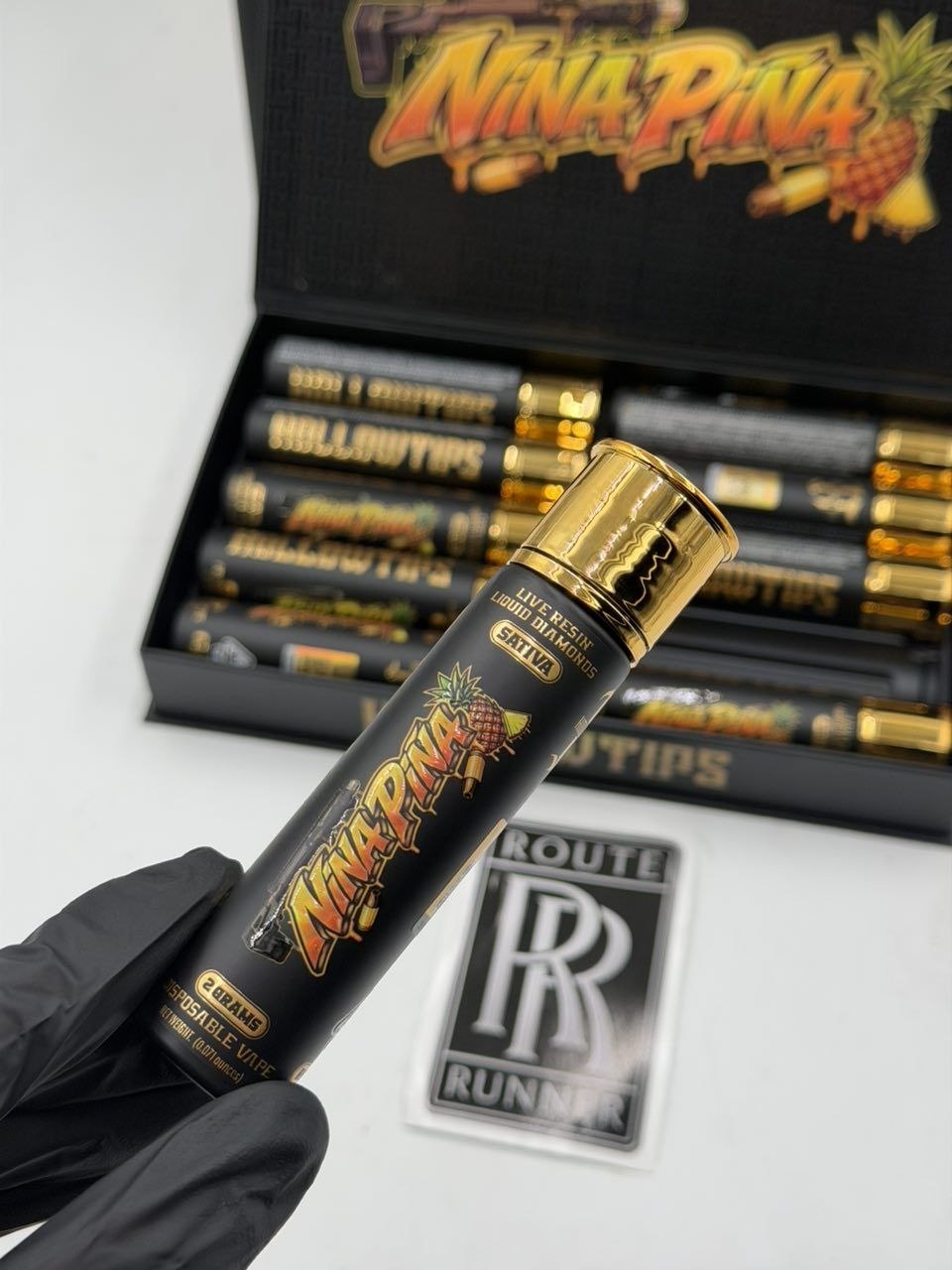
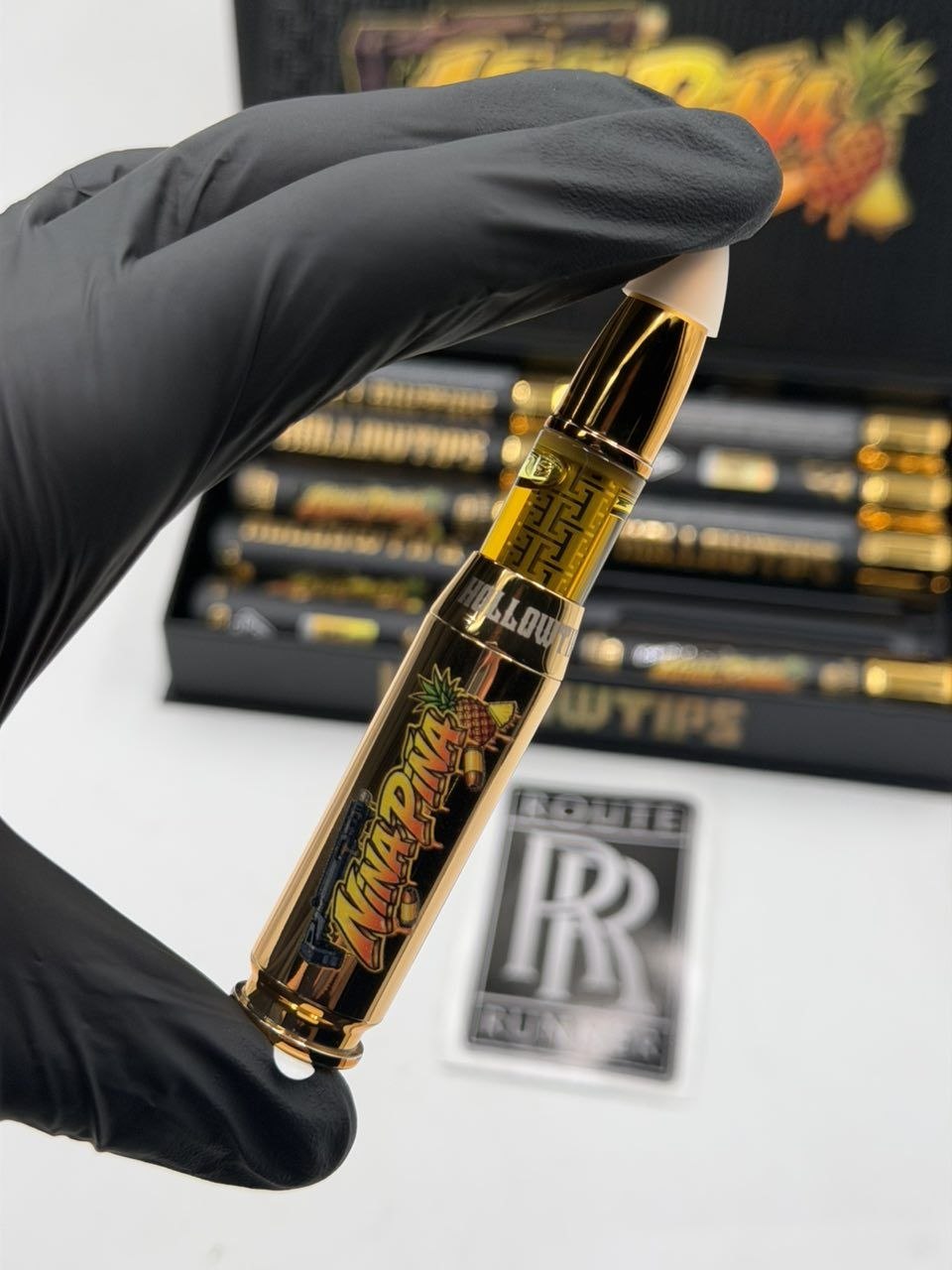


Holly Tips 2G Disposable: Neutral Product Information Guide
Introduction
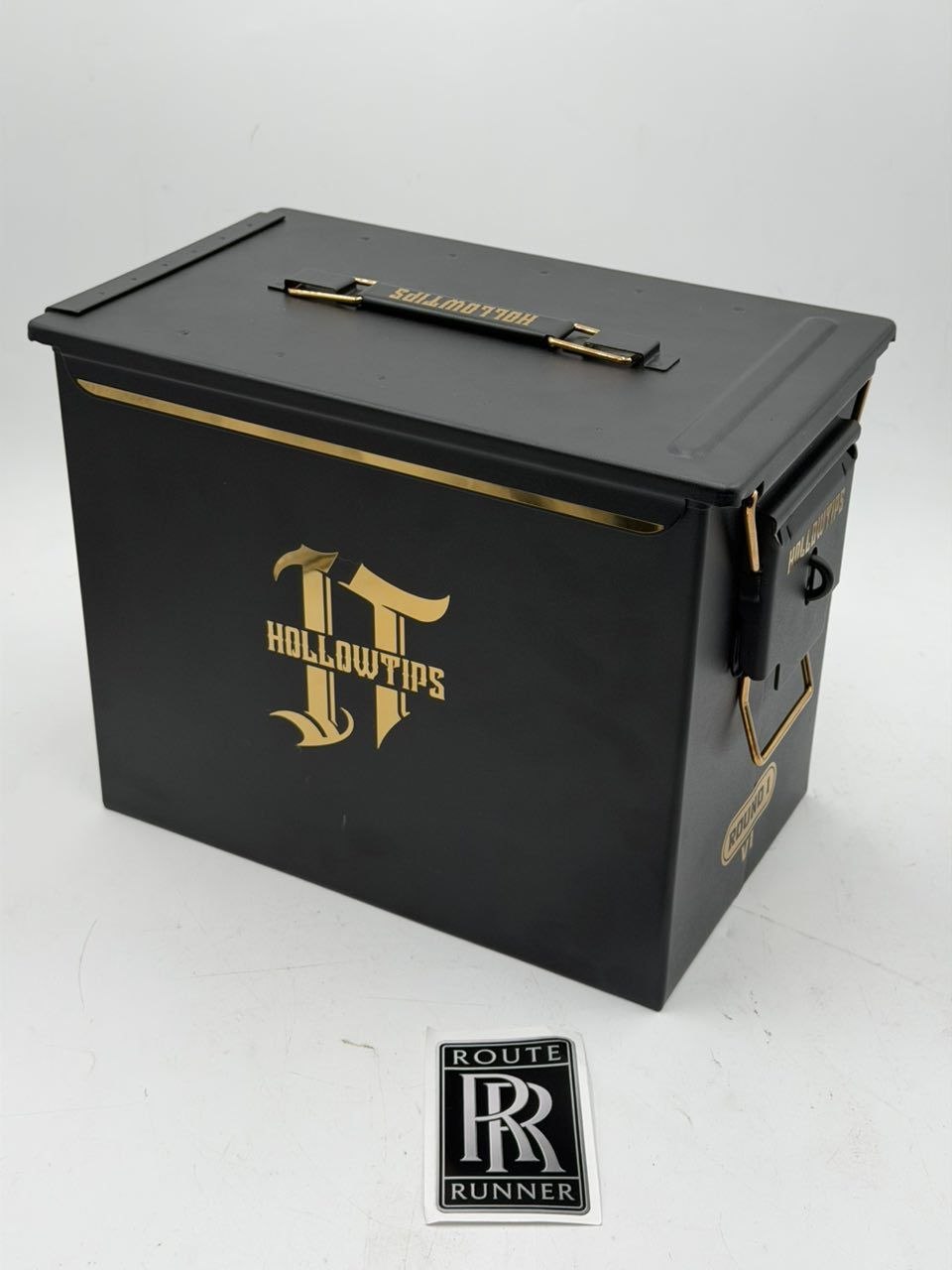
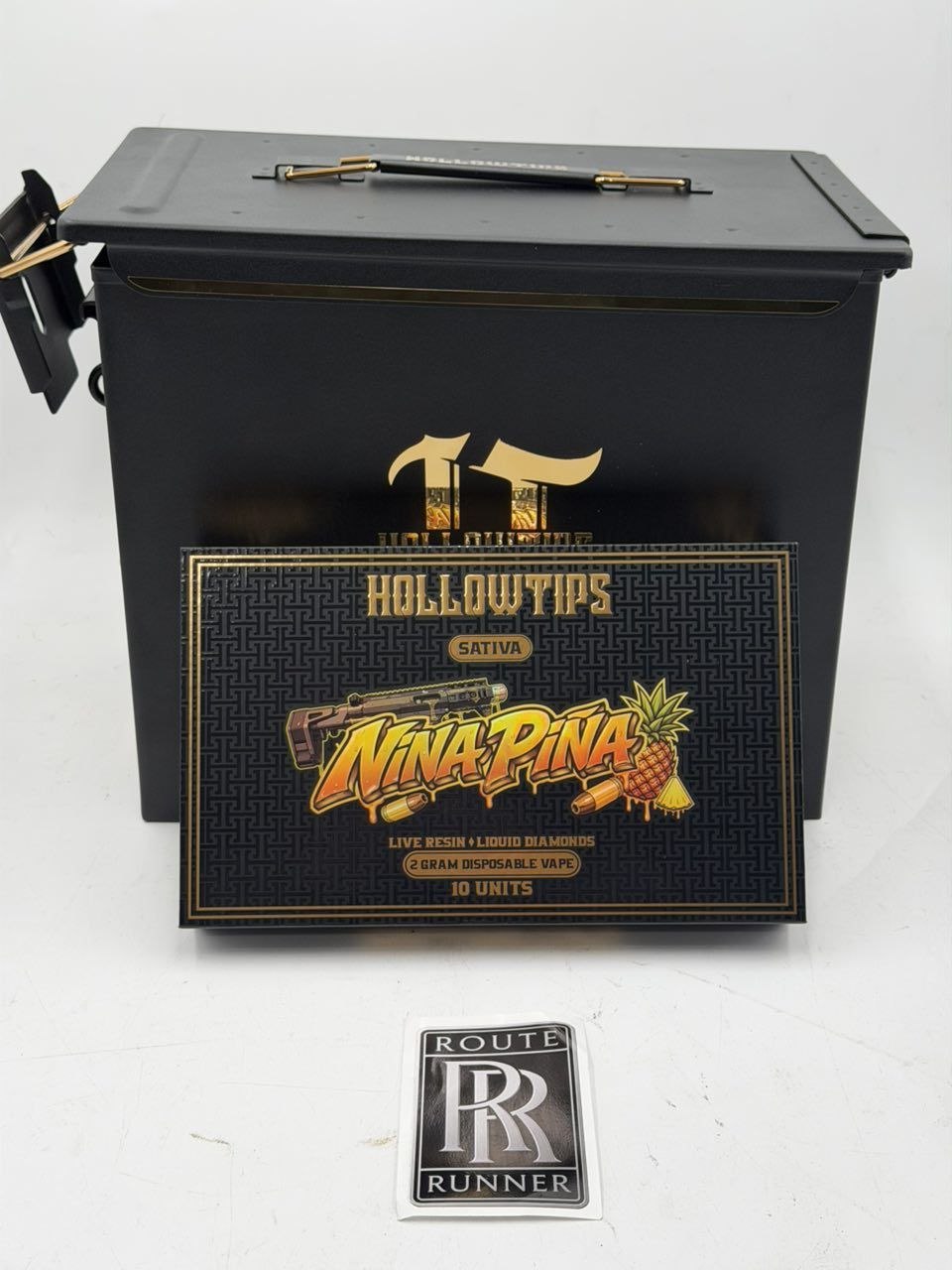
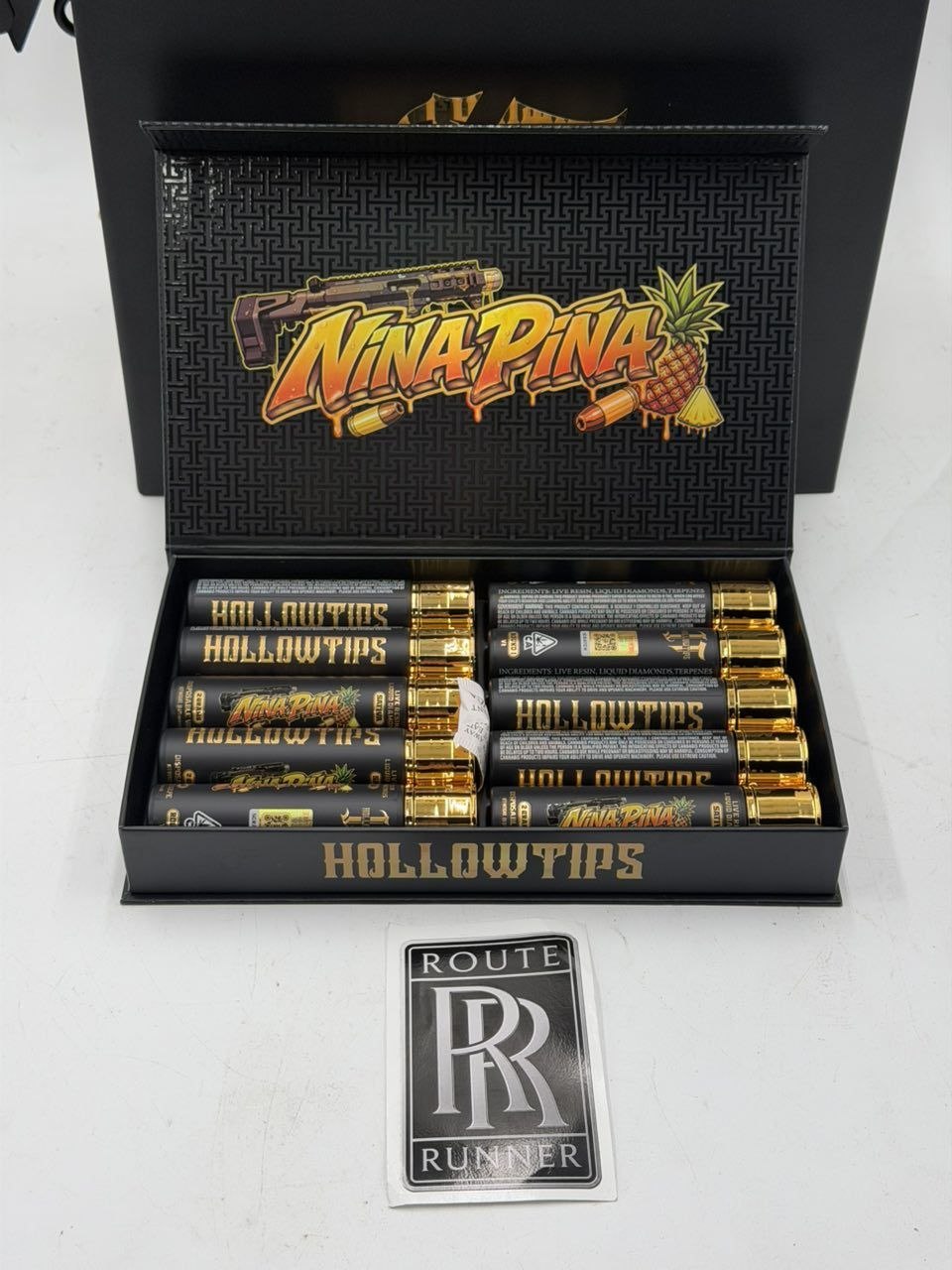
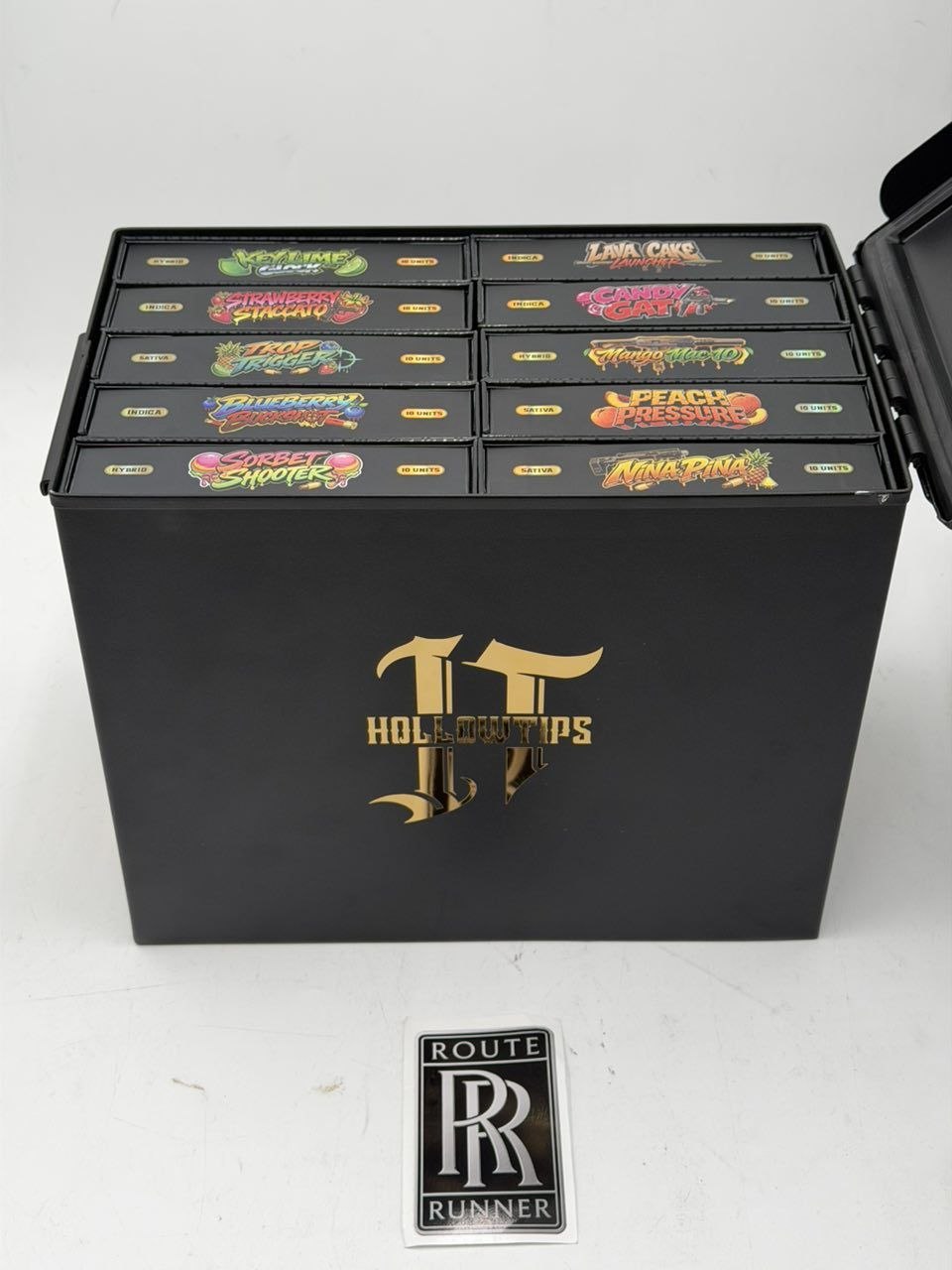
holly tips 2g disposable appears to be the name of a disposable inhalation product with an advertised two-gram capacity. However, the product name alone does not establish its precise ingredients, cannabinoid profile, potency, hardware specifications, laboratory results, or manufacturing standards.
The term “2G” generally refers to the stated quantity of formulation, while “disposable” describes the device format. “Holly Tips” appears to be a brand or product identifier, although the exact significance of the name should be confirmed through manufacturer documentation.
Because product names can vary between markets, an accurate description should avoid inventing specifications that have not been verified. Instead, it should separate documented information from assumptions and explain the characteristics that a prospective reader should look for on the packaging or certificate of analysis.
If this product contains THC, additional considerations apply. THC can impair memory, attention, coordination, decision-making, and reaction time. Furthermore, cannabis concentrates used in vaping can contain high concentrations of THC, while vaping products may contain additives or contaminants.
Understanding the Product Name
Breaking down the name makes its basic terminology easier to understand.
Holly Tips appears to identify the product or brand. A brand name can distinguish one item from another, but branding does not independently establish chemical composition or product quality.
2G generally indicates an advertised quantity of approximately two grams of formulation. Importantly, this does not mean that the product necessarily contains two grams of THC.
Disposable normally describes a self-contained device designed for limited use. Such devices commonly combine the reservoir, heating mechanism, battery, and mouthpiece into one unit.
Consequently, the product name provides a useful identifier, but it does not provide a complete technical specification.
A comprehensive description should therefore examine the label, ingredients, cannabinoid information, batch number, manufacturer details, and laboratory documentation where those materials are available.
What Does “2G” Mean?
The 2G designation usually refers to the amount of formulation contained within the device.
However, product weight and cannabinoid potency represent two different measurements.
For example, two products could each contain two grams of material while containing very different concentrations of THC. One might have a lower cannabinoid concentration, while another could contain a much higher concentration.
Therefore, the number “2G” should not be interpreted as a direct measure of strength.
Instead, readers should look for a separate potency figure. Depending on the jurisdiction and product format, that information may appear as a percentage, milligram quantity, or another standardized measurement.
Furthermore, laboratory results may provide more detailed information than the front of the package.
What Is a Disposable Vape?
A disposable vape is generally a compact electronic device containing a formulation that is heated to create an inhalable aerosol.
The device typically includes a battery, heating element, reservoir, airflow system, and mouthpiece. Depending on its design, activation may occur automatically when the user draws through the mouthpiece.
Unlike conventional smoking, vaping does not rely on direct combustion of plant material.
Nevertheless, that distinction does not mean that inhaling a vape aerosol is risk-free.
The CDC has reported serious concerns involving certain vaping products, including the 2019 outbreak of e-cigarette or vaping product use-associated lung injury, known as EVALI. THC-containing vaping products were reported by many affected individuals, and vitamin E acetate was strongly associated with the outbreak.
Therefore, “disposable” describes the hardware rather than guaranteeing a particular safety profile.
Product Weight Versus Potency
One of the most important concepts in understanding a 2G product involves the distinction between quantity and potency.
Quantity tells you how much total formulation is present.
Potency tells you how concentrated a particular active compound is.
These measurements should not be confused.
For example, a two-gram disposable could contain a formulation with a particular THC concentration, while another two-gram product could have a different concentration. Consequently, identical package weights do not necessarily produce identical cannabinoid profiles.
This distinction becomes especially important when cannabis concentrates are involved.
The CDC notes that oils and concentrates used in vaping and dabbing often contain highly concentrated THC.
Therefore, an accurate product description should identify the stated weight separately from the cannabinoid concentration.
THC and Other Cannabinoids
Cannabis contains numerous cannabinoids.
THC, or tetrahydrocannabinol, is the cannabinoid most closely associated with cannabis intoxication. CBD, or cannabidiol, is another well-known cannabinoid, although it does not produce the same intoxicating effect as THC.
Other cannabinoids can also occur depending on the formulation.
For this reason, a complete product description should not assume that every cannabinoid product has the same chemical profile.
If laboratory testing is available, it can provide information about measured cannabinoid concentrations.
Moreover, cannabinoid content can change depending on the formulation and manufacturing process.
Consequently, verified product documentation should take priority over assumptions based on the product name.
What “Holly Tips” Means
The phrase “Holly Tips” appears to be part of the product’s branding.
However, the name does not provide enough information to determine whether it refers to a flavor, formulation, product series, strain designation, or another characteristic.
Therefore, a factual description should not assign a specific meaning to the term without supporting documentation.
This distinction is important because product names can use creative terminology that does not correspond to standardized scientific categories.
Similarly, terms that sound like strain names may not necessarily indicate a botanically standardized variety.
A reliable description should therefore reproduce the manufacturer’s terminology while avoiding unsupported interpretations.
Potential Effects of THC
If Holly Tips 2G Disposable contains THC, possible effects can vary considerably between individuals.
Potential short-term effects may include altered perception, euphoria, relaxation, increased appetite, drowsiness, changes in time perception, reduced attention, and impaired coordination.
However, some people may experience anxiety, paranoia, confusion, panic, or other unpleasant reactions.
The CDC reports that cannabis can affect memory, attention, decision-making, coordination, emotions, and reaction time.
Furthermore, effects can vary according to THC concentration, frequency of use, individual biology, previous experience, and whether other substances are used at the same time.
Therefore, a neutral product description should discuss effects as possibilities rather than promises.
Cognitive Considerations
Cannabis can influence several cognitive functions.
Attention may become less consistent. Short-term memory can also be affected. Additionally, reaction time and judgment may change.
These effects can matter when an individual needs to perform tasks requiring concentration or coordination.
For example, operating machinery requires reliable attention and rapid reactions. Likewise, driving requires continuous judgment and perception.
Consequently, anyone experiencing cannabis-related impairment should avoid activities that require unimpaired cognitive or motor performance.
Driving and Impairment
Driving after consuming an intoxicating cannabis product can create significant safety risks.
The CDC reports that cannabis can slow reaction time and decision-making, impair coordination, and distort perception.
In addition, combining cannabis with alcohol can increase impairment.
Therefore, someone who feels impaired should not drive or operate machinery.
Local laws may impose additional restrictions regarding cannabis and driving. Those requirements differ between jurisdictions, so applicable regulations should be checked through official local authorities.
Importantly, product labeling cannot determine whether an individual is legally or medically fit to drive.
Respiratory Considerations
Vaping introduces an aerosol into the lungs.
Although vaping differs from smoking, inhalation still exposes the respiratory system to substances produced by the device.
The EVALI outbreak demonstrated why the formulation of vaping products matters. During that outbreak, vitamin E acetate was strongly associated with cases involving vaping products, particularly THC-containing products.
Consequently, the presence of a recognizable product name should not be interpreted as proof that a formulation is free from potentially harmful substances.
Ingredient transparency remains important.
Furthermore, people with respiratory concerns should discuss inhaled products with a qualified healthcare professional.
Ingredients
The precise ingredients in Holly Tips 2G Disposable should be taken from verified packaging or manufacturer documentation.
Depending on the formulation, a cannabinoid disposable could contain extracts, cannabinoids, terpenes, flavoring substances, or other components.
However, the product name alone does not establish which ingredients are present.
Therefore, a responsible description should not invent a list of ingredients.
Instead, it should state the documented formulation and identify information that remains unavailable.
This approach provides a clearer distinction between confirmed facts and assumptions.
Laboratory Testing
Laboratory testing can provide valuable information about a cannabinoid product.
Depending on local requirements, testing may examine cannabinoid concentrations and potential contaminants.
Possible testing categories include:
- THC and other cannabinoids
- Pesticides
- Heavy metals
- Microbial contamination
- Residual solvents
- Other potentially unwanted substances
However, laboratory results should correspond to the specific product and, preferably, its production batch.
A certificate of analysis for a different batch should not automatically be treated as evidence that another batch has exactly the same composition.
Therefore, batch-specific documentation is particularly useful.
Certificates of Analysis
A certificate of analysis, commonly abbreviated as COA, can provide laboratory information about a tested sample.
A COA may identify measured levels of THC, CBD, THCA, and other cannabinoids. Depending on the testing facility, it may also report contaminant screening.
However, readers should examine the document carefully.
Important details can include the laboratory name, sample identification, batch number, testing date, analytical methods, and reported results.
Furthermore, a laboratory report should be traceable to the product being evaluated.
Consequently, simply seeing the phrase “lab tested” on packaging does not provide as much information as an actual, relevant laboratory report.
Product Quality
Product quality cannot reliably be determined from branding or packaging.
A visually appealing product may still lack adequate documentation. Conversely, a simple-looking package does not necessarily indicate poor quality.
Instead, useful quality indicators can include:
- Clear ingredient disclosure
- Accurate cannabinoid labeling
- Batch identification
- Independent laboratory testing
- Manufacturer information
- Regulatory compliance
- Appropriate warnings
- Clear storage instructions
These characteristics provide a more objective foundation for evaluating a product.
Authenticity and Traceability
Authenticity matters when products are distributed through multiple channels.
A traceable product should ideally have information linking it to an identifiable manufacturer or distributor.
Batch numbers can help establish that connection.
Similarly, laboratory reports should correspond to the relevant production batch whenever possible.
Therefore, packaging alone should not be considered conclusive proof of authenticity.
If the manufacturer’s information, batch number, laboratory report, and package details conflict, further verification should be obtained.
Packaging and Labeling
Packaging performs several functions.
First, it protects the device and formulation.
Second, it communicates product information.
Third, depending on the jurisdiction, it can provide required health warnings and regulatory information.
A regulated cannabis product may include information such as:
- Net quantity
- THC concentration
- Total THC
- CBD concentration
- Ingredient list
- Batch or lot number
- Manufacturer information
- Laboratory information
- Warning statements
- Relevant dates
- Storage instructions
Clear labeling helps consumers distinguish physical quantity from cannabinoid potency.
Consequently, the 2G designation should always be interpreted alongside the rest of the package information.
Storage
Storage conditions can influence both cannabinoid formulations and electronic hardware.
Heat, light, moisture, and oxygen can affect certain formulations over time.
Electronic devices also contain batteries, so manufacturer instructions should be followed for storage and handling.
Therefore, product-specific directions should take priority over generalized recommendations.
In addition, intoxicating products should be stored securely.
The CDC recommends that cannabis products be kept in a locked, childproof container and kept out of children’s sight and reach.
Secure storage is particularly important because accidental exposure can have serious consequences for children.
Accidental Exposure
Cannabis products should be kept away from children and people who are not intended users.
Young children can be especially vulnerable to accidental cannabis exposure.
Consequently, packaging should not be considered a substitute for secure storage.
If accidental exposure occurs, appropriate medical or poison-control assistance should be obtained according to local procedures.
Furthermore, healthcare professionals should receive accurate information about the product, including its cannabinoid content, whenever that information is available.
Possible Adverse Effects
THC can produce uncomfortable or unexpected effects.
Possible reactions include anxiety, paranoia, confusion, panic, rapid heart rate, hallucinations, and severe nausea or vomiting.
The likelihood and intensity of these effects can vary between individuals.
Moreover, higher-concentration cannabis products can result in greater THC exposure.
Therefore, claims that a product is universally relaxing, enjoyable, or predictable should be avoided.
If someone develops severe symptoms, difficulty breathing, loss of consciousness, seizures, or another medical emergency, professional medical assistance should be obtained immediately.
Cannabis Use Disorder
Cannabis use can become problematic for some individuals.
The CDC reports that approximately three in ten people who use cannabis may develop cannabis use disorder, although individual risk varies.
Potential warning signs include repeatedly attempting to reduce use without success, continuing to use cannabis despite negative consequences, or allowing use to interfere with responsibilities.
Furthermore, frequent use and high-THC products can create additional concerns.
Consequently, product potency should not be presented as an indication of superior quality.
Mental Health Considerations
Cannabis can affect mood and perception.
Some individuals experience pleasurable effects, while others experience anxiety, paranoia, panic, or confusion.
The relationship between cannabis and mental health is complex. Research has identified associations involving several mental-health outcomes, while individual responses can vary considerably.
Therefore, responsible product information should not guarantee a particular psychological experience.
Likewise, claims that an intoxicating product will reliably relieve anxiety, depression, stress, or another medical condition should not be made without appropriate evidence and regulatory authorization.
Adolescents and Young Adults
Age is another important consideration.
The brain continues developing through adolescence and early adulthood.
Cannabis exposure during these periods has been associated with effects on functions such as memory, learning, attention, and decision-making.
Therefore, intoxicating cannabis products should not be marketed toward minors.
Responsible product communication should also avoid imagery, characters, or language specifically designed to appeal to children.
holly tips 2g disposable holly tips 2g disposable holly tips 2g disposable holly tips 2g disposable holly tips 2g disposable holly tips 2g disposable holly tips 2g disposable holly tips 2g disposable holly tips 2g disposable holly tips 2g disposable holly tips 2g disposable holly tips 2g disposable holly tips 2g disposable holly tips 2g disposable holly tips 2g disposable holly tips 2g disposable.
Pregnancy and Breastfeeding
Cannabis use during pregnancy raises additional concerns.
THC can reach a developing fetus, and public-health guidance recommends avoiding cannabis during pregnancy.
Breastfeeding also warrants caution because cannabinoids can be transferred through breast milk.
Consequently, a THC-containing disposable should not be presented as suitable for pregnancy or breastfeeding.
Anyone who is pregnant, planning pregnancy, or breastfeeding should discuss cannabis exposure with a qualified healthcare professional.
Combining Cannabis With Other Substances
Combining cannabis with other substances can increase uncertainty and impairment.
Alcohol deserves particular attention because simultaneous use can increase impairment.
Cannabis may also interact with prescription medications.
Therefore, people taking medication should consult an appropriate healthcare professional before combining substances.
Unknown ingredients create additional uncertainty, which makes transparent labeling particularly valuable.
Marketing Language Versus Verified Information
Product names often contain memorable words designed to distinguish one item from another.
“Holly Tips” may therefore serve an important branding function without providing scientific information.
Similarly, “2G” communicates an advertised quantity but does not establish THC concentration.
Consequently, objective product information should prioritize measurable specifications.
For example, a laboratory-confirmed cannabinoid concentration provides stronger evidence than a subjective statement about strength.
Likewise, a verified ingredient list provides more useful information than an unsupported claim about purity.
How to Evaluate Holly Tips 2G Disposable
A factual evaluation can begin with several questions.
What is inside the device?
Check the ingredient list and formulation information.
What does 2G mean?
Confirm the net quantity on the package.
Which cannabinoids are present?
Look for documented THC, CBD, THCA, and other cannabinoid concentrations.
How potent is the formulation?
Use verified laboratory or manufacturer information rather than assumptions.
Has the product been tested?
Look for a relevant certificate of analysis.
Can the product be traced to a manufacturer?
Check batch numbers and manufacturer information.
What warnings apply?
Review age, impairment, storage, pregnancy, and other applicable warnings.
These questions can help separate factual specifications from marketing language.
Why Accurate Descriptions Matter
Product descriptions can influence how readers perceive an item.
That influence makes accuracy especially important for products containing intoxicating substances.
An unsupported statement about potency can create unrealistic expectations. Likewise, an unsupported safety claim can cause readers to underestimate potential risks.
Therefore, responsible writing should identify what has actually been documented.
If a specification cannot be verified, it should be presented as unknown rather than invented.
This method improves both credibility and readability.
Suggested Factual Specification Format
For an informational listing, the product could be presented using a simple specification structure: holly tips 2g disposable holly tips 2g disposable holly tips 2g disposable holly tips 2g disposable holly tips 2g disposable holly tips 2g disposable holly tips 2g disposable holly tips 2g disposable holly tips 2g disposable holly tips 2g disposable holly tips 2g disposable holly tips 2g disposable holly tips 2g disposable holly tips 2g disposable holly tips 2g disposable holly tips 2g disposable holly tips 2g disposable holly tips 2g disposable.
Product: Holly Tips 2G Disposable
Format: Disposable electronic inhalation device
Advertised quantity: 2G
Cannabinoid profile: Confirm from current product label or laboratory report
THC concentration: Confirm from current laboratory documentation
CBD concentration: Confirm where applicable
Ingredients: Confirm from manufacturer labeling
Batch/lot: Refer to packaging
Laboratory testing: Verify using the relevant certificate of analysis
Manufacturer: Confirm from packaging or official documentation
Warnings: Follow applicable local requirements and manufacturer instructions
This format keeps verified information separate from assumptions.
Conclusion
Holly Tips 2G Disposable appears to identify a disposable inhalation product with an advertised two-gram quantity. Nevertheless, the name alone cannot establish its exact ingredients, cannabinoid concentration, potency, hardware specifications, manufacturing standards, or laboratory status.
The 2G designation describes quantity rather than THC strength. Meanwhile, disposable describes the general device format rather than a safety classification. The phrase Holly Tips appears to function as a product or brand identifier, although its precise significance should be confirmed through manufacturer information.
If the product contains THC, users should understand that cannabis can affect memory, attention, coordination, decision-making, and reaction time.
Furthermore, cannabis concentrates used in vaping can contain highly concentrated THC, while vaping products may contain additives or contaminants.
The history of EVALI also demonstrates why the formulation of inhaled products deserves careful attention. Vitamin E acetate was strongly associated with the 2019 outbreak of vaping-related lung injuries.
For these reasons, an accurate description should focus on verified specifications rather than promotional assumptions.
The most useful documentation includes the actual product weight, cannabinoid profile, ingredient list, batch information, laboratory testing, manufacturer details, applicable warnings, and regulatory information.
Ultimately, a product name identifies an item, but it does not necessarily reveal everything inside it. Transparent labeling and relevant laboratory documentation provide a much stronger foundation for understanding the product.


Reviews
There are no reviews yet.