

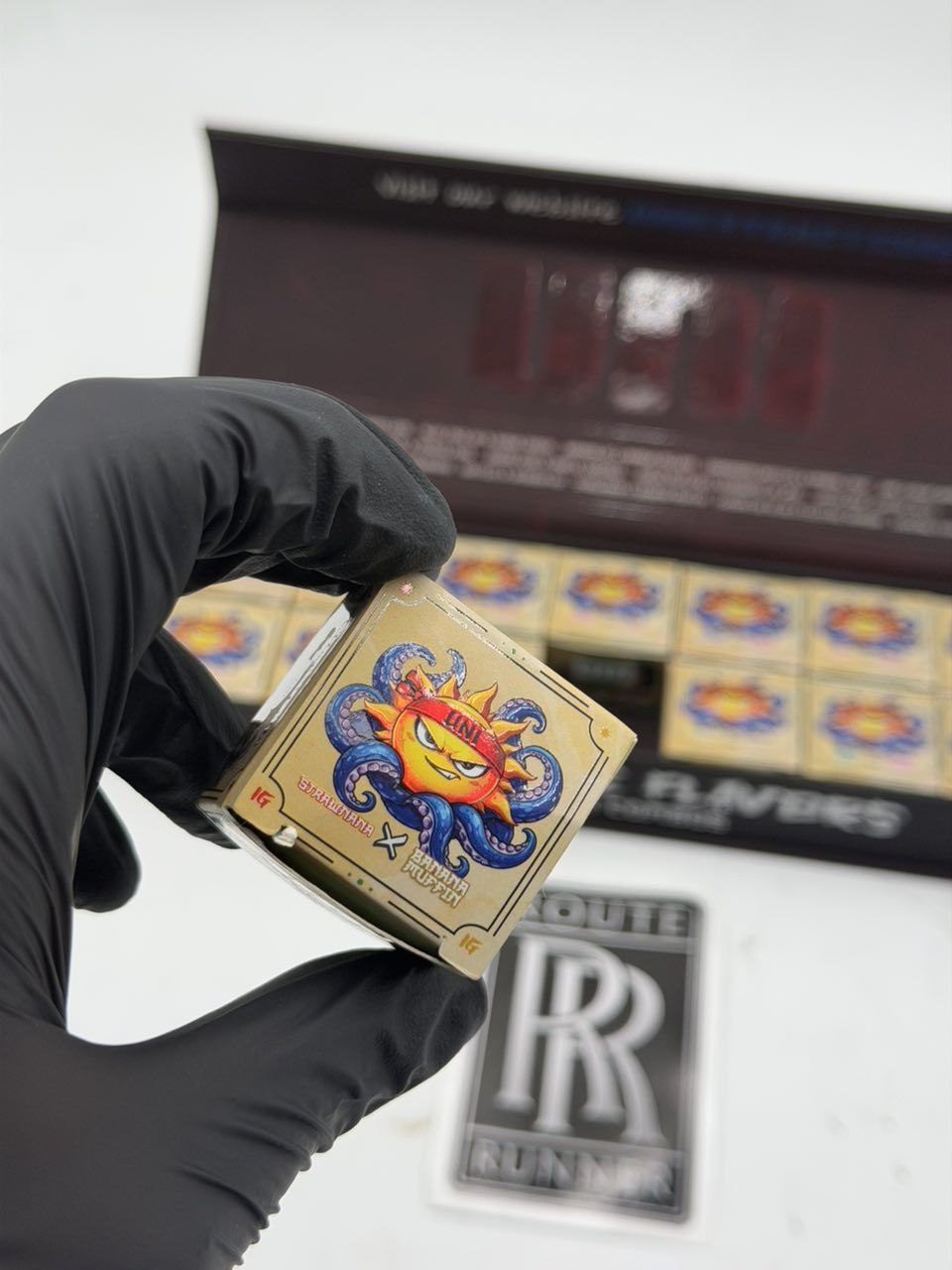
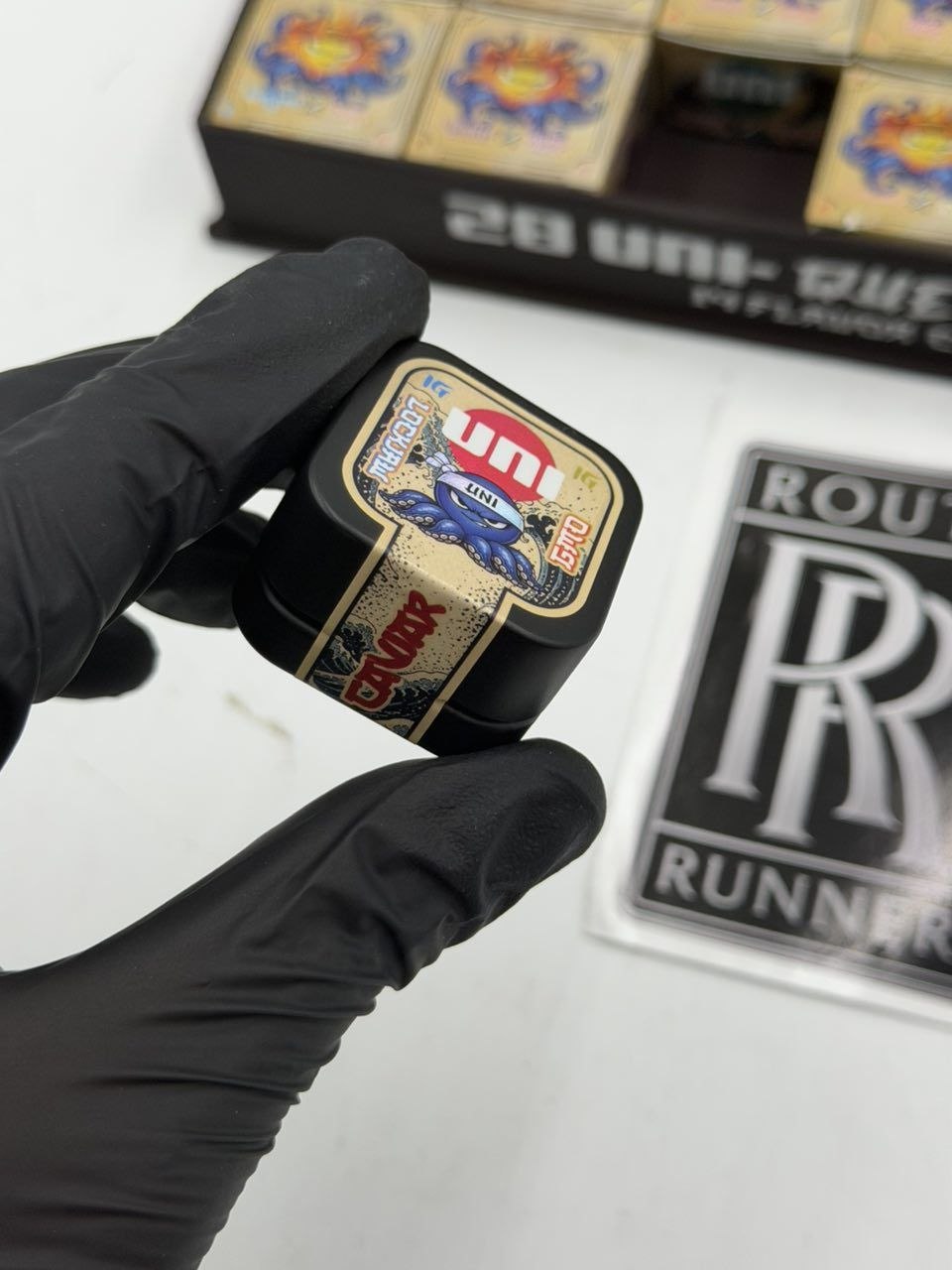
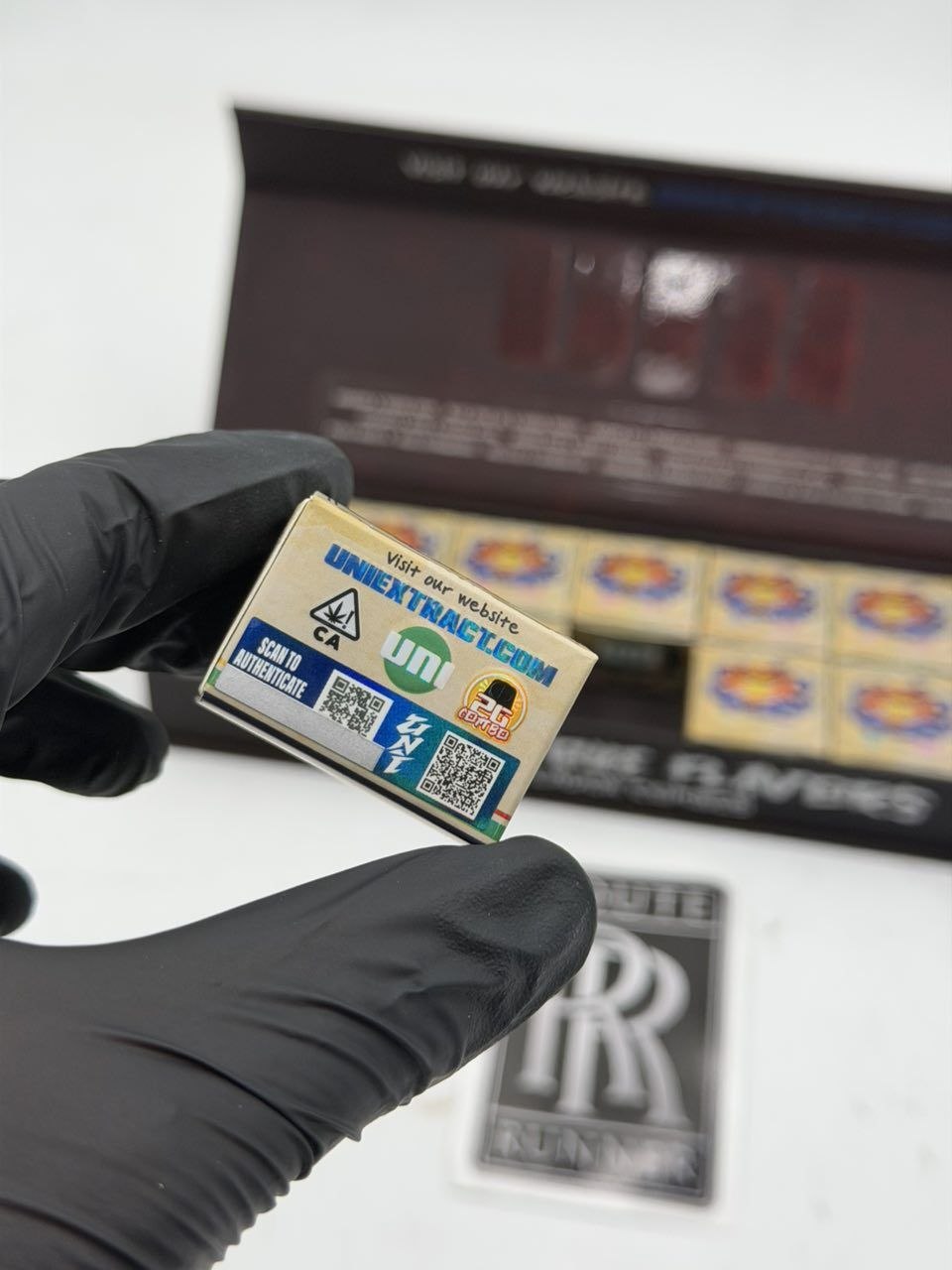
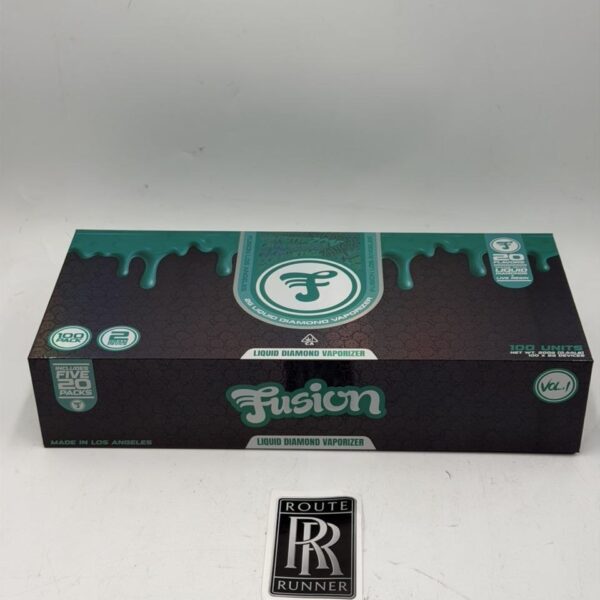
Uni 2G Rosin Jars: Product Information Overview
Introduction
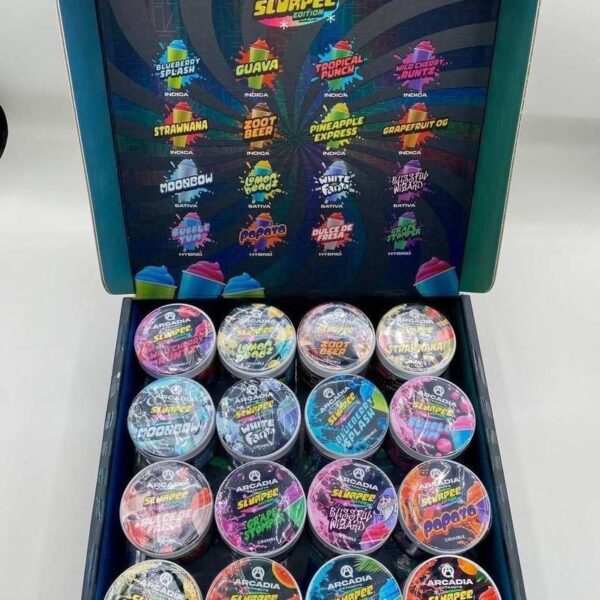
uni 2g rosin jars appears to describe a cannabis concentrate product packaged in a small jar with an advertised net quantity of two grams. The name communicates several basic characteristics, but it does not, by itself, establish the product’s exact cannabinoid profile, ingredients, potency, extraction method, manufacturing standards, or laboratory results.
The term “Uni” may identify a brand, product line, or packaging format. Meanwhile, “2G” generally indicates an advertised quantity of approximately two grams. Finally, “Rosin Jars” suggests that the product is a rosin-type concentrate packaged in a jar rather than a disposable vape or cartridge.
Those distinctions matter because product weight, formulation, potency, and packaging are separate characteristics. Consequently, a reliable description should identify each characteristic individually rather than treating the product name as a complete technical specification.
If the product contains THC, additional considerations apply. THC is an intoxicating cannabinoid that can affect memory, attention, coordination, judgment, and reaction time.
This overview therefore focuses on factual terminology, product documentation, storage, testing, potential risks, and responsible interpretation rather than making claims about a particular experience.
Understanding the Product Name
Breaking down the name can make the available information easier to understand.
“Uni” appears to be part of the product or brand identification. However, the word does not provide enough information to determine a specific formulation or manufacturing process.
“2G” normally communicates an advertised quantity of approximately two grams.
“Rosin” generally refers to a type of cannabis concentrate produced using mechanical pressure and heat rather than relying on traditional solvent-based extraction. However, the exact production method can vary, so a precise manufacturing claim should only be made when supported by manufacturer documentation.
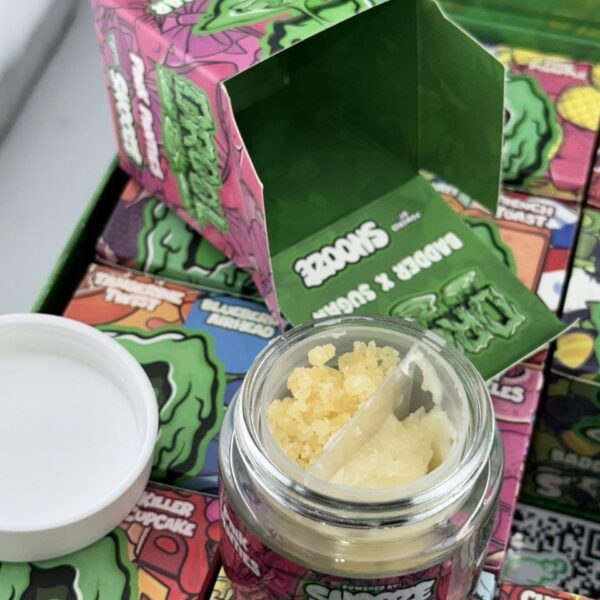
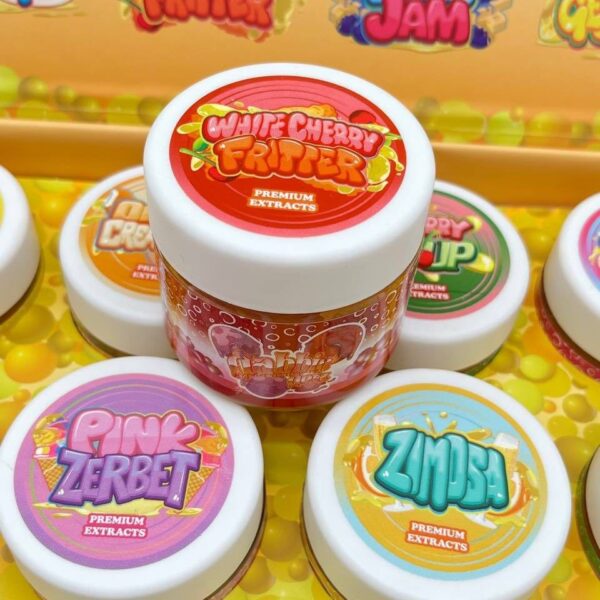
“Jars” refers to the packaging format. A small concentrate jar can provide a practical container for a viscous or semi-solid formulation, although the precise material and closure system should be confirmed from the actual packaging.
Therefore, the name provides useful identification while leaving several technical questions unanswered.
What Is Rosin?
Rosin is a cannabis concentrate generally produced by applying controlled pressure and heat to cannabis material.
Unlike extraction methods that rely on chemical solvents, rosin production can use mechanical separation to release resinous compounds from plant material.
The resulting concentrate may contain cannabinoids and aromatic compounds known as terpenes.
However, the final composition depends on the source material, processing conditions, starting material, and production practices.
Consequently, the word “rosin” alone does not establish a specific potency, flavor profile, cannabinoid ratio, texture, or quality level.
A factual product description should therefore avoid assuming that every rosin product has identical characteristics.
Why Extraction Method Matters
Extraction terminology helps explain how a concentrate was produced.
Rosin is commonly associated with solventless processing. That distinction can be relevant to consumers who want to understand how a concentrate was manufactured.
Nevertheless, “solventless” should not automatically be interpreted as “risk-free” or “superior.”
Product quality depends on numerous factors, including the starting material, sanitation, processing controls, packaging, storage, testing, and regulatory compliance.
Furthermore, a concentrate can still contain unwanted contaminants if the source material or manufacturing process is poorly controlled.
Therefore, laboratory testing remains important even when a product is described as solventless.
Understanding the 2G Designation
The 2G designation generally refers to the amount of concentrate contained in the jar.
Importantly, two grams of rosin does not mean that the jar contains two grams of THC.
Instead, the two-gram figure represents the total product weight.
The cannabinoid concentration must be considered separately.
For example, two different two-gram concentrates could have different THC percentages and different cannabinoid profiles. As a result, the physical quantity alone cannot determine the amount of intoxicating cannabinoid present.
Consequently, a complete product description should separate:
- Net product weight
- THC concentration
- Total THC where applicable
- CBD concentration
- Other cannabinoids
- Ingredient information
- Laboratory results
This distinction makes product information easier to interpret.
Potency Versus Quantity
Potency and quantity are often confused.
Quantity answers the question: “How much product is in the container?”
Potency addresses the concentration of a particular cannabinoid.
These measurements are related, but they are not interchangeable.
A larger jar does not necessarily contain a more concentrated formulation. Likewise, a smaller package could contain a formulation with a higher cannabinoid concentration.
This distinction becomes especially relevant for concentrates because concentrated cannabis products can contain substantially higher levels of THC than traditional plant material.
The CDC notes that cannabis concentrates can involve highly concentrated THC and that the effects of cannabis vary according to factors including THC concentration, amount consumed, frequency of use, individual biology, previous experience, and use alongside other substances.
Therefore, a product description should never use package size as a substitute for potency information.
Cannabinoid Profile
Cannabis contains numerous cannabinoids.
THC, or tetrahydrocannabinol, is the primary cannabinoid associated with intoxication. CBD, or cannabidiol, is another well-known cannabinoid, although it does not produce the same intoxicating effect as THC.
Other cannabinoids can also appear in cannabis concentrates.
The exact profile of Uni 2G Rosin Jars cannot be established from the product name alone.
Therefore, cannabinoid claims should be taken from the current product label or applicable laboratory report.
If a certificate of analysis identifies THC, CBD, THCA, CBG, CBN, or other cannabinoids, those results can provide a more reliable description of the formulation.
THCA and Heating
THCA is an acidic cannabinoid naturally present in cannabis.
When exposed to heat, THCA can undergo decarboxylation and form THC.
This distinction matters because laboratory reports can list both THCA and THC.
Therefore, a product’s reported cannabinoid profile should be interpreted according to the testing methodology and intended method of consumption.
A product description should not simply add cannabinoid figures together without understanding the laboratory’s reporting conventions.
Consequently, the original certificate of analysis is the best source for interpreting cannabinoid percentages.
Texture and Appearance
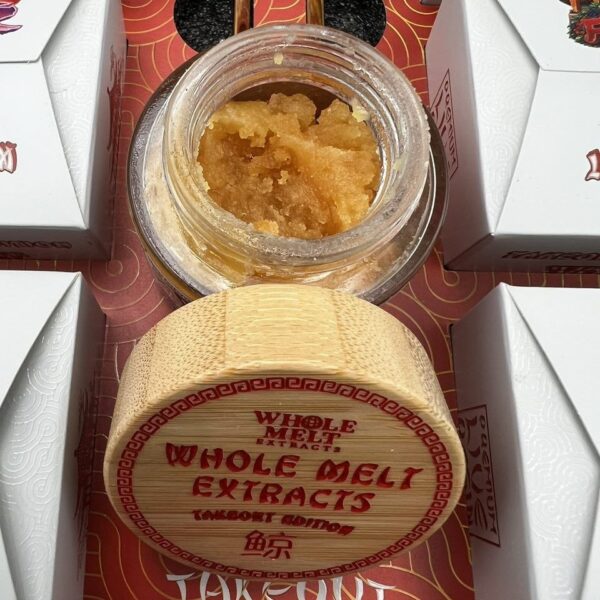
Rosin concentrates can vary considerably in texture.
Depending on processing and storage conditions, a concentrate may appear creamy, waxy, sticky, glossy, grainy, or semi-solid.
However, appearance alone does not establish potency or purity.
Changes in texture can also occur because of temperature, handling, storage time, and cannabinoid or terpene composition.
Therefore, descriptions such as “crystalline,” “buttery,” “sugary,” or “whipped” should only be used when they accurately reflect the actual product.
Likewise, visual appearance should not be presented as proof of laboratory quality.
Packaging in a Jar
The jar format provides a different packaging experience from cartridges or disposable devices.
A concentrate jar can contain a relatively small quantity of viscous material while providing a resealable container.
However, the exact jar material should be confirmed rather than assumed.
For example, packaging may use glass, plastic, or another suitable material depending on the manufacturer.
A properly designed container should help protect its contents from contamination and environmental exposure.
Furthermore, labeling should remain legible throughout the product’s intended storage period.
Labeling Information
A regulated cannabis product may display several important details.
Depending on the applicable jurisdiction, a label may include:
- Product name
- Net quantity
- THC concentration
- Total THC
- CBD concentration
- Ingredient information
- Batch or lot number
- Manufacturing information
- Laboratory information
- Production or packaging date
- Required warnings
- Storage instructions
Clear labeling allows readers to distinguish documented specifications from marketing terminology.
Consequently, the package should be reviewed carefully before any definitive claims are made about the product.
Laboratory Testing
Laboratory testing can provide valuable information about cannabis concentrates.
Depending on local regulatory requirements, testing may examine cannabinoid concentrations and screen for contaminants.
Potential testing categories can include:
- Cannabinoid potency
- Pesticides
- Heavy metals
- Microbial contamination
- Residual solvents
- Other potentially unwanted substances
Although rosin is commonly described as solventless, appropriate testing can still be useful because contamination can originate from cultivation, handling, processing, packaging, or storage.
Therefore, solventless production does not eliminate the importance of quality-control testing.
Certificates of Analysis
A certificate of analysis, or COA, can provide laboratory information about a specific sample.
A COA may report measured concentrations of cannabinoids and results from contaminant screening.
However, the document should be connected to the product being evaluated.
Important information can include the laboratory name, sample identification, batch number, testing date, analytical methods, and reported values.
Furthermore, a COA for one batch should not automatically be treated as proof that another batch has identical characteristics.
Therefore, batch-specific documentation provides stronger evidence than a generic laboratory claim.
Quality Control
Quality control involves more than laboratory potency testing.
A responsible manufacturing process can involve controls over raw materials, equipment, sanitation, processing conditions, packaging, labeling, and storage.
Recent CDC/NIOSH evaluations of cannabis manufacturing facilities have examined occupational exposures involving cannabis compounds, particulate matter, terpenes, microbial contaminants, and other workplace hazards.
These findings illustrate why controlled manufacturing environments matter.
Consequently, consumers should evaluate a product using multiple forms of documentation rather than relying on a single characteristic.
Authenticity and Traceability
Authenticity is another consideration when evaluating branded concentrate products.
A traceable product should ideally have identifiable manufacturer information and a batch or lot number.
Laboratory documentation should correspond to that information where applicable.
Furthermore, packaging details should remain consistent with available manufacturer documentation.
If a product has inconsistent labeling, missing batch information, or documentation that does not correspond to the package, its authenticity becomes more difficult to establish.
Therefore, traceability can provide useful evidence when evaluating a product’s origin.
Storage Considerations
Rosin can be sensitive to environmental conditions.
Temperature, light, oxygen, and moisture may influence the texture and stability of a concentrate.
Consequently, storage conditions can affect the physical characteristics of the product over time.
Manufacturer instructions should take priority because the appropriate conditions can depend on the formulation and packaging.
In addition, the container should remain securely closed when not in use.
A secure closure can reduce unnecessary exposure to environmental contaminants.
Temperature and Texture
Temperature can have a noticeable effect on concentrates.
A warmer environment may soften a product, while cooler conditions can make it firmer.
Therefore, a change in texture does not automatically mean that a product is defective.
However, unusual discoloration, contamination, damaged packaging, or unexpected odors may warrant further evaluation.
Consumers should follow the manufacturer’s storage instructions rather than attempting to correct product changes through improvised heating or cooling methods.
Avoiding Contamination
Concentrates should be protected from unnecessary contact with dirt, moisture, and other contaminants.
The jar should remain closed when not being handled.
Furthermore, the product should not be transferred into an unidentified container if doing so would remove important labeling or traceability information.
Keeping the original packaging can preserve batch information and warnings.
Consequently, appropriate handling supports both product integrity and identification.
Potential Effects of THC
If Uni 2G Rosin Jars contains THC, the product may cause intoxicating effects.
Possible short-term effects can include altered perception, euphoria, drowsiness, increased appetite, changes in time perception, reduced attention, impaired coordination, and changes in judgment.
However, some individuals may experience anxiety, paranoia, panic, confusion, or other unpleasant effects.
The CDC states that cannabis can affect memory, attention, decision-making, coordination, emotions, and reaction time.
Furthermore, individual responses can vary substantially.
Therefore, a neutral description should explain possible effects without guaranteeing a particular experience.
Impairment and Driving
Cannabis-related impairment can affect activities requiring concentration and rapid responses.
Driving is particularly important because it requires continuous attention, coordination, perception, and judgment.
The CDC identifies cannabis-related effects on reaction time, decision-making, coordination, and perception.
Consequently, people who are impaired by THC should not drive or operate machinery.
Local laws may also impose separate restrictions regarding cannabis and driving.
Those requirements vary by jurisdiction, so applicable regulations should be checked through official authorities.
Combining Cannabis With Other Substances
Combining cannabis with alcohol or other intoxicating substances can increase impairment.
Likewise, cannabis may interact with prescription medications.
Therefore, people taking medication should consult an appropriate healthcare professional about possible interactions.
This consideration becomes especially important when product potency is high or the formulation contains multiple active compounds.
A neutral product description should consequently avoid recommending combinations with other substances.
Possible Adverse Reactions
Cannabis can produce unpleasant reactions, particularly when THC exposure is higher than expected.
Possible reactions can include anxiety, paranoia, confusion, panic, rapid heart rate, hallucinations, and severe nausea or vomiting.
The intensity of these effects can vary between individuals.
Therefore, unexpected or severe symptoms should not simply be dismissed as an ordinary product effect.
If someone experiences a serious medical emergency, appropriate professional medical assistance should be obtained immediately.
Cannabis Use Disorder
Cannabis use can become problematic for some people.
The CDC reports that approximately three in ten people who use cannabis may develop cannabis use disorder, although individual risk varies.
Potential warning signs include repeated unsuccessful attempts to reduce use, continued use despite negative consequences, and cannabis use interfering with responsibilities or important activities.
Consequently, product descriptions should not portray frequent or high-potency use as inherently beneficial.
The concentration of THC is one factor among several that can influence the overall risk profile.
Mental Health Considerations
Cannabis can influence mood, perception, and cognition.
Some individuals experience pleasant effects, while others may experience anxiety, paranoia, panic, or confusion.
Research has also identified associations between cannabis use and several mental-health outcomes.
However, these relationships are complex, and individual responses differ.
Therefore, a responsible description should avoid claiming that a particular rosin product will reliably relieve stress, anxiety, depression, or another medical condition.
Medical claims require appropriate evidence and regulatory authorization.
Age Considerations
Age is an important factor when discussing intoxicating cannabis products.
The developing brain can be particularly vulnerable to cannabis-related effects.
The CDC notes concerns regarding cannabis use during adolescence and young adulthood, including potential effects on memory, learning, attention, and decision-making.
Consequently, cannabis products should not be marketed toward minors.
Product information should also avoid imagery or messaging specifically designed to appeal to children.
Pregnancy and Breastfeeding
Cannabis use during pregnancy raises additional health considerations.
THC can reach the developing fetus, and public-health guidance recommends avoiding cannabis during pregnancy.
Breastfeeding also requires caution because cannabinoids can be transferred through breast milk.
Therefore, a THC-containing concentrate should not be represented as appropriate for pregnancy or breastfeeding.
Anyone who is pregnant, planning pregnancy, or breastfeeding should discuss potential cannabis exposure with a qualified healthcare professional.
Child Safety and Storage
Concentrates should be stored securely away from children.
The CDC recommends keeping cannabis products in locked, childproof containers and out of children’s sight and reach.
This consideration is particularly important for concentrates because their cannabinoid content can be substantially higher than that of ordinary cannabis flower.
Furthermore, original packaging can provide useful warning information and product identification.
Therefore, secure storage and intact labeling should be maintained whenever possible.
Legal and Regulatory Considerations
Cannabis laws differ substantially between jurisdictions.
Some regions permit regulated adult-use cannabis, while others allow only medical programs or prohibit certain cannabis products entirely.
Concentrates may also be subject to additional rules concerning production, testing, labeling, packaging, taxation, possession, and sale.
Therefore, the presence of a product online does not establish that its purchase, possession, transportation, or use is legal in a particular location.
Applicable laws should be verified through the relevant local or national authorities.
Marketing Terminology
Cannabis concentrate descriptions frequently use terms intended to communicate quality, flavor, potency, or exclusivity.
Words such as “premium,” “pure,” “elite,” or “high quality” are subjective unless supported by objective evidence.
Similarly, the phrase “2G” describes quantity rather than quality or strength.
The term “rosin” provides information about the general extraction category but does not guarantee a particular potency or sensory profile.
Consequently, factual descriptions should prioritize measurable information over unsupported adjectives.
A Neutral Interpretation of Uni 2G Rosin Jars
Based solely on the product name, Uni 2G Rosin Jars can be interpreted at a basic level.
Uni appears to identify a brand or product line.
2G indicates an advertised quantity of approximately two grams.
Rosin identifies the general type of cannabis concentrate.
Jars identifies the packaging format.
However, the name does not establish the exact cannabinoid profile, THC percentage, terpene content, ingredients, production method, laboratory status, or storage requirements.
Those characteristics should therefore be confirmed through current product documentation.
Suggested Product Specification Format
A factual product listing could organize available information as follows: uni 2g rosin jars uni 2g rosin jars uni 2g rosin jars uni 2g rosin jars uni 2g rosin jars uni 2g rosin jars uni 2g rosin jars uni 2g rosin jars uni 2g rosin jars uni 2g rosin jars uni 2g rosin jars uni 2g rosin jars uni 2g rosin jars uni 2g rosin jars uni 2g rosin jars uni 2g rosin jars uni 2g rosin jars uni 2g rosin jars uni 2g rosin jars.
Product name: Uni 2G Rosin Jars
Product category: Cannabis concentrate, if confirmed
Concentrate type: Rosin, if confirmed by manufacturer documentation
Net quantity: 2G, according to the stated product designation
THC concentration: Verify from current laboratory documentation
CBD concentration: Verify where applicable
Other cannabinoids: Verify from the certificate of analysis
Ingredients: Refer to current packaging
Batch or lot number: Refer to product label
Laboratory testing: Verify using the relevant COA
Manufacturer: Confirm from current packaging or manufacturer documentation
Storage requirements: Follow the manufacturer’s instructions
Regulatory information: Follow the requirements applicable to the relevant jurisdiction
This structure avoids adding unsupported claims while still giving readers a clear overview.
Why Accurate Descriptions Matter
A product description can influence expectations about what an item contains and how it may affect someone.
Therefore, accuracy matters particularly when the product contains an intoxicating substance.
An unsupported potency claim could cause someone to underestimate or overestimate the amount of THC present.
Likewise, unsupported claims about purity or safety could create unrealistic expectations.
Consequently, product information should distinguish clearly between verified specifications and general descriptions.
When information is unavailable, it is better to identify it as unverified than to fill the gap with assumptions.
The Importance of Batch Information
Batch information can improve traceability.
If a manufacturer identifies each production run with a unique lot or batch number, laboratory documentation can potentially be matched to the corresponding product.
Furthermore, batch identification can assist with recalls or quality investigations.
For consumers, matching the package information to laboratory documentation provides a stronger basis for evaluating the product.
Therefore, the batch number should be retained whenever possible.
Product Documentation
Several forms of documentation can help establish product characteristics.
The package provides immediate information about quantity, ingredients, warnings, and identification.
The manufacturer may provide additional specifications.
A laboratory report can provide measured cannabinoid concentrations and contaminant-testing information.
Together, these sources can create a more complete picture.
However, conflicting information should be investigated rather than ignored.
uni 2g rosin jars uni 2g rosin jars uni 2g rosin jars uni 2g rosin jars uni 2g rosin jars uni 2g rosin jars uni 2g rosin jars uni 2g rosin jars uni 2g rosin jars uni 2g rosin jars uni 2g rosin jars uni 2g rosin jars uni 2g rosin jars uni 2g rosin jars uni 2g rosin jars uni 2g rosin jars
Consumer Information Versus Promotional Claims
A useful distinction exists between consumer information and promotional copy.
Consumer information explains what the product is, what has been documented, how it should be identified, and what considerations apply.
Promotional copy attempts to persuade someone to choose a product.
For cannabis concentrates, factual consumer information can be especially valuable because readers may need to understand potency, ingredients, testing, storage, and impairment risks.
Therefore, neutral descriptions should emphasize clarity and documentation.
Final Overview
Uni 2G Rosin Jars appears to describe a two-gram rosin concentrate presented in jar-style packaging. Nevertheless, the product name alone does not establish the exact formulation or quality characteristics.
The 2G designation describes the advertised quantity. It does not indicate that the container holds two grams of THC.
The term rosin generally refers to a solventless concentrate produced through mechanical pressure and heat, although the precise manufacturing process should be confirmed through manufacturer documentation.
The jar format provides a container for the concentrate, while the specific packaging material and storage requirements should be verified from the product itself.
If the formulation contains THC, users should recognize that THC is intoxicating and can affect memory, attention, coordination, judgment, and reaction time.
Furthermore, concentrate potency can vary significantly, so product weight should not be used as a substitute for cannabinoid testing.
Laboratory documentation can provide useful information about cannabinoid concentrations and, depending on the testing program, contaminants. Research and health-safety evaluations of cannabis production also demonstrate the importance of appropriate quality-control practices throughout cultivation and manufacturing.
Ultimately, the most reliable description of Uni 2G Rosin Jars should be built from verified product documentation.
That documentation should ideally establish the net quantity, cannabinoid profile, ingredients, batch information, laboratory results, manufacturer, applicable warnings, and storage requirements.
A product name can provide a useful starting point, but it should not be treated as proof of composition, potency, authenticity, or safety.






Reviews
There are no reviews yet.