



Whole Melt Extracts V6 Gelato Edition — Product Description
Product Overview
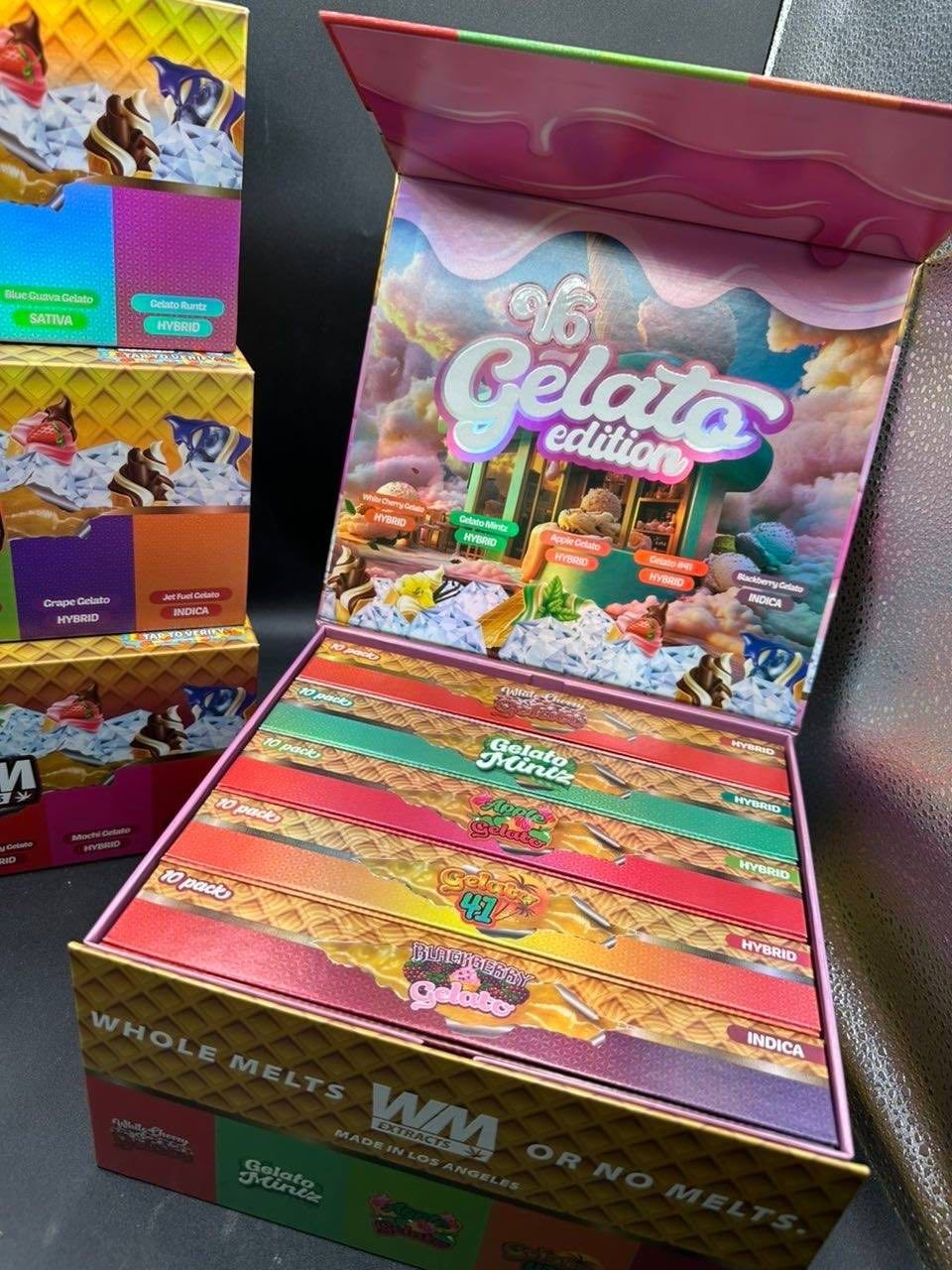
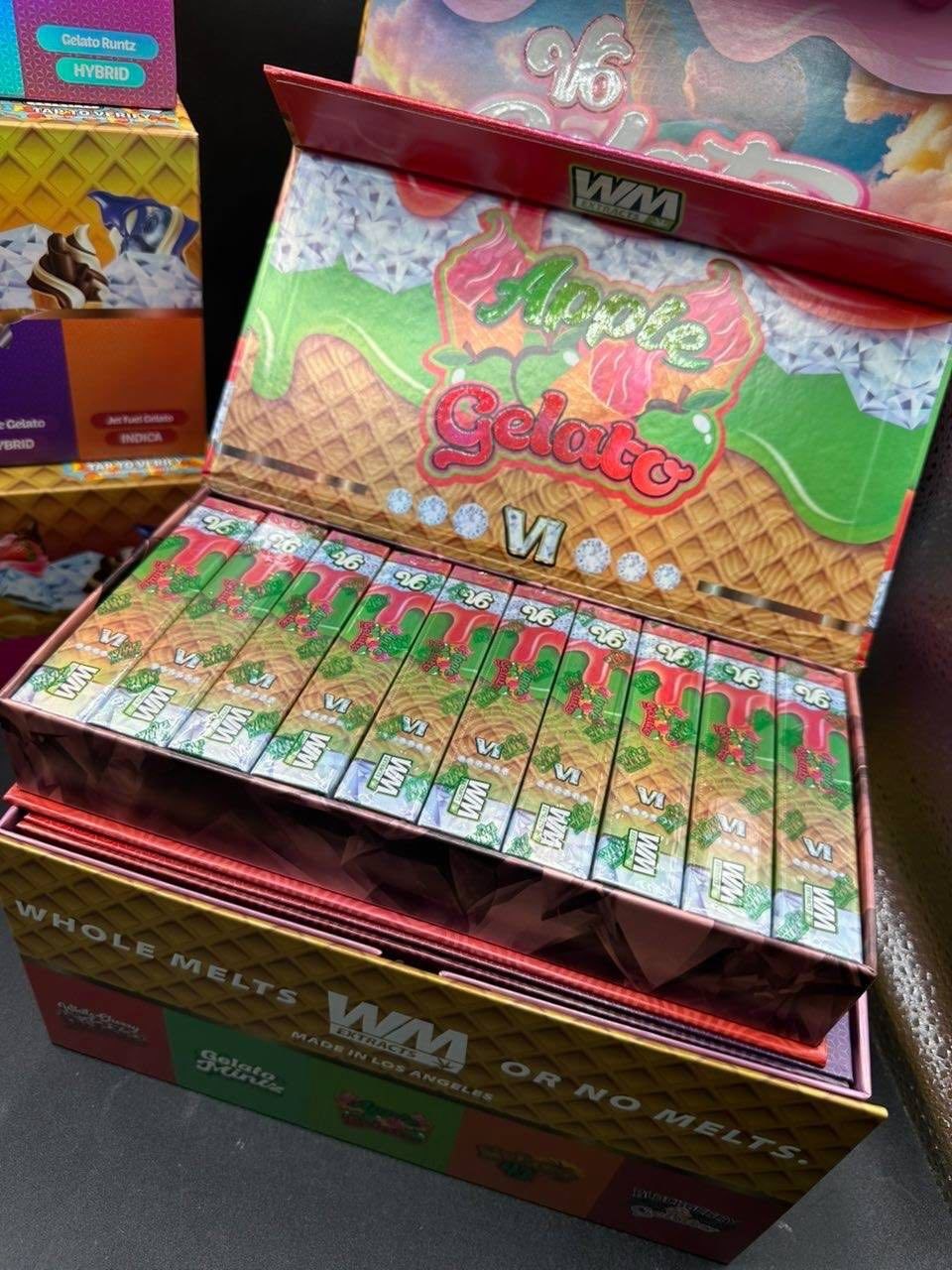
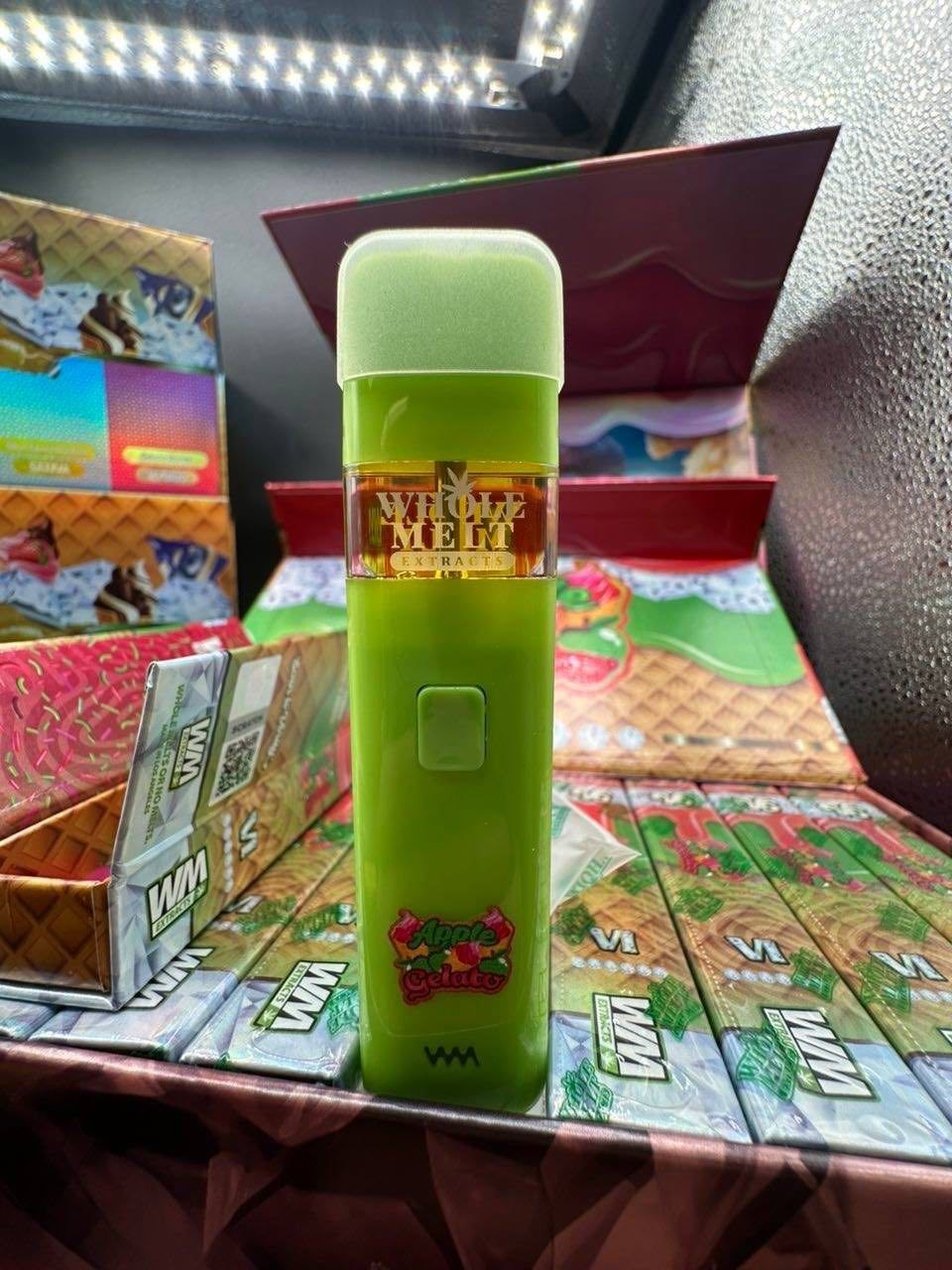
whole melt extracts v6 gelato edition is a product name that identifies a particular edition associated with the Whole Melt Extracts brand. The V6 designation may distinguish this version from earlier editions, while Gelato Edition appears to identify a specific variant.
However, the product name alone does not establish its precise ingredients, cannabinoid concentration, extraction method, terpene profile, potency, laboratory results, or manufacturing specifications. Those details should be taken from the packaging and batch-specific documentation for the actual product.
A reliable product description should therefore separate confirmed information from assumptions. In addition, it should avoid treating third-party descriptions as official specifications unless the manufacturer supports those claims.
Understanding the V6 Designation
The term V6 appears to function as a version or edition identifier.
A version designation can help distinguish one product configuration from another. However, the meaning of “V6” should not be expanded into technical claims without documentation.
For example, the name does not automatically establish that the product contains a particular extraction technology, formulation, cannabinoid percentage, or hardware configuration.
Therefore, a product page should retain “V6” as the product’s stated identifier unless official documentation provides a more detailed explanation.
Gelato Edition
The Gelato Edition designation identifies the particular variant described in the product name.
“Gelato” can be used as a strain, flavor, or product-variant reference depending on the manufacturer and product category. The name itself should not be treated as a complete ingredient declaration.
If the physical packaging provides additional information about the variant, that information can be incorporated into the product page.
Product Composition
The exact composition of Whole Melt Extracts V6 Gelato Edition should be established using the current product label and, where available, laboratory documentation.
Depending on the applicable product category and jurisdiction, documentation may identify cannabinoids, terpenes, extracts, or other ingredients.
The product name alone cannot establish which compounds are present.
Similarly, a variant name should not be used to infer the complete formulation.
This distinction is important because online descriptions can sometimes contain broader claims than the information printed on the actual package.
Cannabinoid Information
If the product contains cannabinoids, the packaging may provide information about THC, CBD, or other cannabinoids.
Those values should be reproduced accurately from the relevant documentation.
A product’s stated weight and its cannabinoid concentration are separate measurements.
For example, knowing the amount of material contained in a package does not independently establish the percentage of THC or another cannabinoid.
A detailed product page should therefore present quantity and cannabinoid information separately.
Laboratory Testing
A certificate of analysis can provide additional information about a specific production batch.
Depending on the laboratory and applicable regulations, testing may examine cannabinoid concentrations and selected contaminants.
Potential testing categories can include pesticides, heavy metals, residual solvents, and microbial contamination.
However, testing panels vary. Therefore, a statement such as “lab tested” should not automatically be interpreted as meaning that every possible contaminant has been evaluated.
The actual certificate should be reviewed before publishing specific testing claims.
Batch Traceability
Batch or lot identification is an important component of product documentation.
When a certificate of analysis is available, its batch identifier should correspond with the identifier printed on the product or packaging.
This helps establish that the laboratory results relate to the particular production batch being described.
A laboratory report from an unrelated batch should not automatically be presented as evidence about the current product.
For retailers, maintaining batch information can also simplify inventory records and product verification.
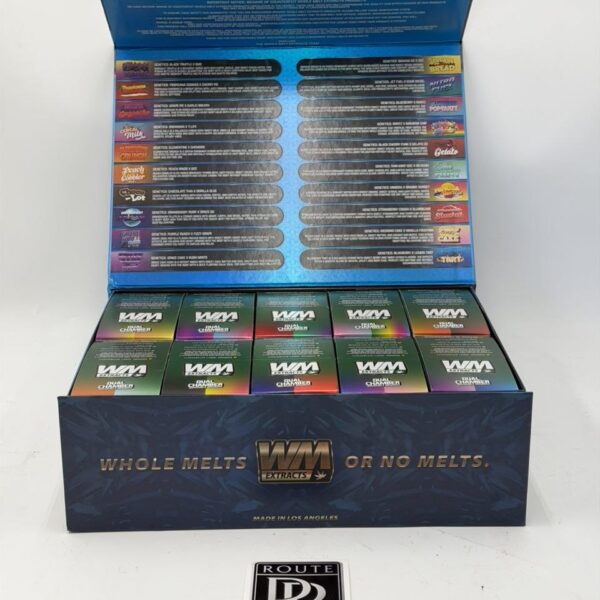
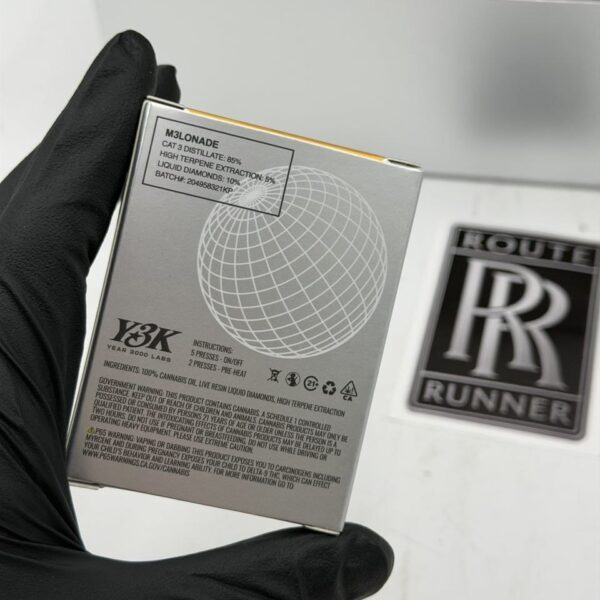
Packaging
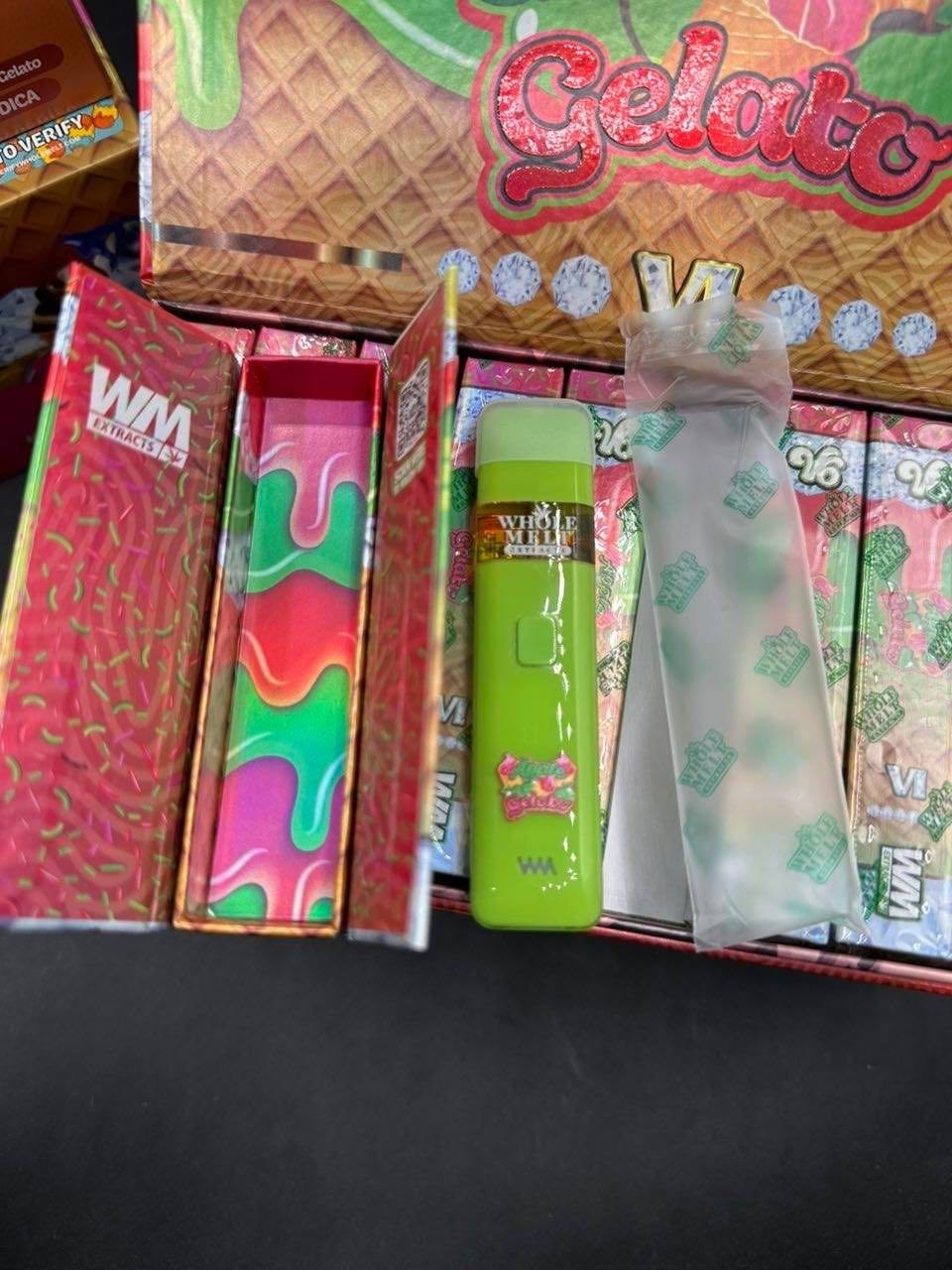
The packaging provides an important source of product-specific information.
Depending on applicable requirements, it may include:
- Product name
- Edition or variant
- Net quantity
- Ingredients
- Cannabinoid concentration
- Batch or lot number
- Manufacturer information
- Testing information
- Warnings
- Storage instructions
The current physical package should take precedence over outdated online descriptions when specifications conflict.
Keeping the original packaging can also make later identification easier.
Authenticity
Product appearance alone cannot establish authenticity.
Logos, packaging designs, photographs, and product descriptions can potentially be copied or reused.
Where an official verification system exists, consumers and retailers may be able to use security labels, QR codes, serial numbers, batch identifiers, or other verification features.
However, verification methods vary between manufacturers.
Therefore, authenticity claims should be based on appropriate evidence rather than packaging appearance alone.
Packaging Changes
Legitimate products can receive packaging updates over time.
Changes may involve colors, typography, logos, warning statements, security features, or other visual details.
Consequently, a difference between a current package and an older product photograph does not automatically prove that either item is counterfeit.
The production batch and official documentation can provide more useful information when determining which version is being described.
Product Quality
Quality assessment involves more than visual presentation.
Useful documentation can include:
- Accurate labeling
- Batch traceability
- Appropriate laboratory testing
- Ingredient information
- Packaging integrity
- Manufacturer identification
- Clear warnings
- Storage guidance
Marketing terms such as “premium,” “pure,” or “top quality” are subjective unless they are supported by measurable information.
A professional product description should therefore focus on verifiable characteristics.
Storage and Handling
The product should generally be stored according to the manufacturer’s instructions.
Depending on the product format, this can involve protecting it from excessive heat, moisture, direct sunlight, contamination, and physical damage.
The original container can help protect the product while preserving important identification and warning information.
It should also be kept securely away from children and pets.
If the product shows unexpected changes in appearance, packaging damage, contamination, or other concerning conditions, it should not be modified or repackaged by the consumer.
Product Condition
Before a product is documented or transferred, its packaging and physical condition can be inspected.
Relevant observations may include:
- Broken seals
- Damaged containers
- Leakage
- Unusual odors
- Visible contamination
- Missing labels
- Illegible batch information
These observations do not establish the cause of a problem.
However, they can indicate that further evaluation is appropriate before the product is handled or distributed.
Ingredient Documentation
A complete product page should distinguish between an ingredient list and a descriptive product name.
For example, “Gelato” identifies the edition but does not independently establish which terpenes, extracts, flavoring compounds, or other ingredients are present.
The official ingredient declaration remains the appropriate source for composition information.
If no complete ingredient list is available, the description should say so rather than filling the gap with assumptions.
Terpene Information
If the manufacturer provides terpene information, those compounds can be listed according to the available documentation.
However, a strain or variant name does not automatically establish a particular terpene profile.
Likewise, online descriptions of aroma or flavor should not be treated as laboratory measurements.
A clear product page can distinguish between documented chemical composition and subjective sensory descriptions.
Responsible Product Claims
A neutral product description should avoid unsupported claims about health benefits, therapeutic outcomes, or guaranteed effects.
Individual responses to cannabis products can vary.
Therefore, product content should focus on measurable information such as quantity, ingredients, laboratory results, packaging, and documented specifications.
The product should not be described as completely harmless or risk-free.
Regulatory Considerations
Cannabis products and related concentrates are subject to different rules depending on jurisdiction.
Requirements may cover: whole melt extracts v6 gelato edition whole melt extracts v6 gelato edition whole melt extracts v6 gelato edition whole melt extracts v6 gelato edition whole melt extracts v6 gelato edition whole melt extracts v6 gelato edition whole melt extracts v6 gelato edition whole melt extracts v6 gelato edition whole melt extracts v6 gelato edition whole melt extracts v6 gelato edition whole melt extracts v6 gelato edition whole melt extracts v6 gelato edition whole melt extracts v6 gelato edition whole melt extracts v6 gelato edition whole melt extracts v6 gelato edition whole melt extracts v6 gelato edition whole melt extracts v6 gelato edition.
- Manufacturing
- Ingredients
- Laboratory testing
- Packaging
- Labeling
- Advertising
- Minimum age
- Possession
- Transportation
- Distribution
- Disposal
An online listing does not establish that a product is legal everywhere.
Retailers should therefore review current regulations before publishing product information or distributing regulated products.
Consumers should likewise check the rules applicable to their location.
Product Information for Retailers
Retailers creating a product page can improve accuracy by collecting documentation before publishing.
A useful information set includes the exact product name, variant, quantity, ingredient declaration, cannabinoid information, batch number, manufacturer information, testing documentation, warnings, and storage instructions.
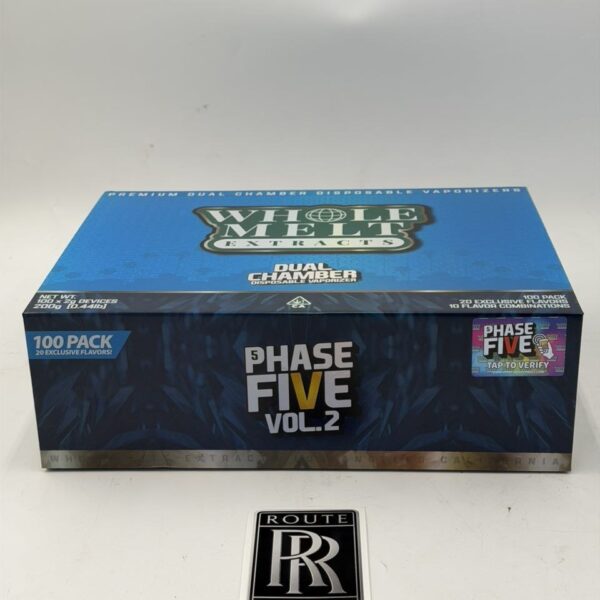
Product photographs should accurately represent the current packaging.
If the packaging changes, the online description and photographs should be updated accordingly.
This approach reduces confusion and helps customers distinguish between different versions.
Product Information for Consumers
Consumers evaluating the Whole Melt Extracts V6 Gelato Edition should look beyond the product name.
The packaging can provide information that is not apparent from photographs or retailer descriptions.
Where a certificate of analysis is available, its batch number should correspond with the product.
Consumers should also be cautious when a listing makes precise technical claims without providing supporting documentation.
A documentation-based approach provides a clearer basis for evaluating product identity and composition.
Frequently Asked Questions
What does V6 mean?
V6 appears to function as a version or edition identifier. Its precise technical meaning should be confirmed through manufacturer documentation.
What does Gelato Edition mean?
It identifies the variant named in the product title. It should not automatically be treated as a complete ingredient or terpene declaration.
What is the exact cannabinoid content?
That information should come from the current product label or a batch-specific certificate of analysis.
What ingredients are included?
The exact ingredients should be taken from the official ingredient declaration rather than inferred from the product name.
Is the product laboratory tested?
That should be confirmed using current product documentation. If a certificate of analysis is available, it should correspond to the relevant batch.
How can authenticity be checked?
Where available, manufacturer verification features, batch numbers, security labels, and official documentation can help establish product identity.
Whole Melt Extracts V6 Gelato Edition is identified by its product name as a particular Whole Melt Extracts edition associated with the V6 designation and Gelato variant.
The product name provides useful identification, but it does not independently establish the product’s ingredients, cannabinoid concentration, terpene profile, extraction method, laboratory results, or other technical specifications.
For an accurate product description, those details should be taken from the current packaging, manufacturer information, and batch-specific laboratory documentation where available.
A documentation-first approach also makes the product page easier to maintain. In addition, it helps distinguish confirmed specifications from descriptions supplied by third-party sellers.
Whole Melt Extracts V6 Gelato Edition — Additional Product Information
Product Identification
The Whole Melt Extracts V6 Gelato Edition should be identified using the exact product name displayed on the current packaging. This is particularly useful when a brand has several editions, variants, or packaging designs.
The V6 identifier can be retained as part of the official product name without assigning a technical meaning that has not been documented. Likewise, Gelato Edition can be presented as the variant designation.
This method keeps the description precise while allowing manufacturers or retailers to update specifications later if authoritative information becomes available.
Importance of Accurate Product Information
A detailed product description should provide customers with information they can reasonably verify.
The most useful information generally comes from the product label, manufacturer documentation, and applicable laboratory records.
By contrast, third-party descriptions can sometimes contain inconsistent or outdated specifications.
Therefore, a retailer should compare online information with the current physical product before publishing a listing.
This becomes particularly important when different editions have similar names.
Quantity Information
If the packaging specifies a particular net quantity, that figure should be reproduced exactly.
Quantity describes the amount of product supplied. It does not establish potency, concentration, expected effects, or product lifespan.
Those characteristics depend on additional information.
A clear product page can therefore place quantity in its own specification field rather than using it as a substitute for cannabinoid information.
This makes the page easier to understand and reduces ambiguity.
Cannabinoid Profile
If cannabinoid concentrations are provided, they should be reported directly from the current label or applicable certificate of analysis.
Potentially listed cannabinoids can include THC, CBD, and other compounds, depending on the formulation.
The precise profile can vary between products and production batches.
Consequently, cannabinoid percentages should not be inferred from the product name or variant designation.
Where batch-specific testing is available, the relevant batch should be matched before publishing laboratory figures.
Laboratory Documentation
A certificate of analysis can provide valuable supporting information.
Depending on the testing program, it may identify cannabinoid concentrations and results for specific categories of contaminants.
However, a certificate should be interpreted according to the tests actually performed.
For example, the presence of a laboratory report does not automatically mean that every possible contaminant has been tested.
A product description should therefore avoid making broader statements than the certificate supports.
Batch Numbers and Traceability
Batch numbers can provide a link between a physical product and its production records.
When laboratory documentation is available, the batch identifier should correspond with the number shown on the product.
This creates a stronger basis for verifying that reported laboratory results belong to the relevant item.
Batch information can also help retailers manage inventory when multiple production runs are sold simultaneously.
Packaging Information
Packaging can provide information that is unavailable from the product name alone.
Depending on jurisdiction, the package may identify: whole melt extracts v6 gelato edition whole melt extracts v6 gelato edition whole melt extracts v6 gelato edition whole melt extracts v6 gelato edition whole melt extracts v6 gelato edition whole melt extracts v6 gelato edition whole melt extracts v6 gelato edition whole melt extracts v6 gelato edition whole melt extracts v6 gelato edition whole melt extracts v6 gelato edition whole melt extracts v6 gelato edition whole melt extracts v6 gelato edition whole melt extracts v6 gelato edition whole melt extracts v6 gelato edition whole melt extracts v6 gelato edition whole melt extracts v6 gelato edition.
- Net quantity
- Ingredients
- Cannabinoid content
- Variant
- Batch number
- Manufacturer
- Testing information
- Warnings
- Storage conditions
The exact requirements vary by location.
Retailers should therefore preserve the original wording where regulatory labeling is concerned and avoid replacing required statements with unsupported marketing language.
Authenticity and Product Verification
Authenticity can be difficult to determine from photographs alone.
A professional verification process can consider several factors simultaneously.
These may include packaging quality, batch information, manufacturer details, security features, and official verification tools.
If a QR code or serial number is present, the appropriate verification process should come from an authoritative source.
Third-party websites should not automatically be treated as official verification services.
Product Photography
Photographs can help customers understand the appearance of a product.
However, photographs should accurately represent the current packaging.
If a retailer uses an older image while selling a newer packaging version, customers may receive information that appears inconsistent.
Therefore, product images should be updated whenever significant packaging changes occur.
Images also cannot independently establish cannabinoid concentration, ingredients, or laboratory results.
Variant Names
Variant names can provide useful product identification.
In the case of the Gelato Edition, the name should be retained exactly as it appears on the packaging.
However, variant names should not be used to infer a specific chemical composition.
The same name can also be interpreted differently across product categories or manufacturers.
Consequently, the ingredient declaration and laboratory documentation remain more reliable sources of composition information.
Sensory Descriptions
A product page may contain a brief sensory description when appropriate documentation supports the relevant terminology.
Nevertheless, sensory perception varies between individuals.
A particular aroma or flavor may be experienced differently depending on storage conditions, formulation, individual sensitivity, and other factors.
For that reason, sensory language should avoid guarantees.
A neutral description can report the official variant name while acknowledging that individual perception may differ.
Product Condition
The condition of the packaging can provide useful information before a product is listed or handled.
Potential concerns include broken seals, damaged containers, leakage, illegible labels, or unexpected contamination.
If the product has been visibly damaged, it should not be opened merely to investigate the problem.
Instead, applicable manufacturer, retailer, and disposal procedures should be followed.
Storage Information
The manufacturer’s storage instructions should be followed whenever available.
Generally, products of this type should be protected from excessive heat, moisture, prolonged sunlight, and unnecessary physical disturbance.
Secure storage is also important when products contain intoxicating cannabinoids.
The product should remain inaccessible to children and pets.
Original packaging can help preserve both the product and its identification information.
Handling Considerations
The product should not be unnecessarily transferred between containers.
Repackaging can remove important batch and labeling information.
Likewise, users should not modify, dilute, combine, or otherwise alter the contents.
If the product is intended to remain in its original packaging, that packaging should be retained until disposal or as otherwise directed by applicable instructions.
Quality Documentation
Quality claims should be supported by measurable information whenever possible.
Useful documentation can include laboratory reports, batch records, ingredient lists, manufacturing information, and appropriate packaging.
By contrast, subjective terms such as “best,” “purest,” or “highest quality” do not provide measurable evidence by themselves.
A documentation-focused description is therefore more useful for customers who want factual information.
Regulatory Compliance
Cannabis regulations differ substantially between jurisdictions.
Rules can apply to production, possession, transportation, sales, advertising, packaging, labeling, testing, and disposal.
Therefore, content prepared for one market may require modification before being used elsewhere.
Retailers should review the applicable rules for their target market and avoid making claims that could conflict with advertising or labeling requirements.
Safety Information
Products containing intoxicating cannabinoids can impair judgment and coordination.
Accordingly, they should not be presented as risk-free.
People should avoid driving or operating machinery while impaired.
The product should also be kept away from children and pets.
Anyone experiencing an unexpected or concerning reaction should seek appropriate professional assistance.
Disposal
Cannabis products and associated packaging should be disposed of according to applicable local requirements.
If the product includes electronic components or batteries, electronic-waste rules may apply.
The product should not be burned, punctured, crushed, or deliberately dismantled.
Local waste-management services can provide information about appropriate disposal methods.
Building a Reliable Product Page
A strong product page can use a straightforward structure:
Product name: Whole Melt Extracts V6 Gelato Edition
Edition: V6 / Gelato Edition, as shown on packaging
Quantity: Use the exact packaged quantity
Ingredients: Reproduce the documented ingredient list
Cannabinoids: Use current label or batch-specific laboratory information
Batch: Record the applicable lot or batch number
Testing: Identify only documented testing categories
Storage: Follow manufacturer instructions
Warnings: Reproduce applicable regulatory warnings
This structure provides useful information without requiring unsupported assumptions.
Final Additional Notes
The Whole Melt Extracts V6 Gelato Edition can be documented most effectively by treating the product name as an identifier rather than as a source of technical specifications.
The V6 designation may distinguish the edition, while Gelato identifies the named variant. Beyond those identifiers, product-specific information should come from authoritative documentation.
In particular, cannabinoid concentrations, ingredients, terpene information, laboratory results, batch details, and manufacturing specifications should be verified before inclusion.
This documentation-based approach improves readability while also making the product page more transparent. It allows confirmed information to remain clearly separated from subjective descriptions and third-party claims.
For retailers, maintaining accurate product records can also make future updates easier. When packaging or formulations change, the corresponding product page can be revised using the latest documentation rather than relying on historical listings.


Reviews
There are no reviews yet.