

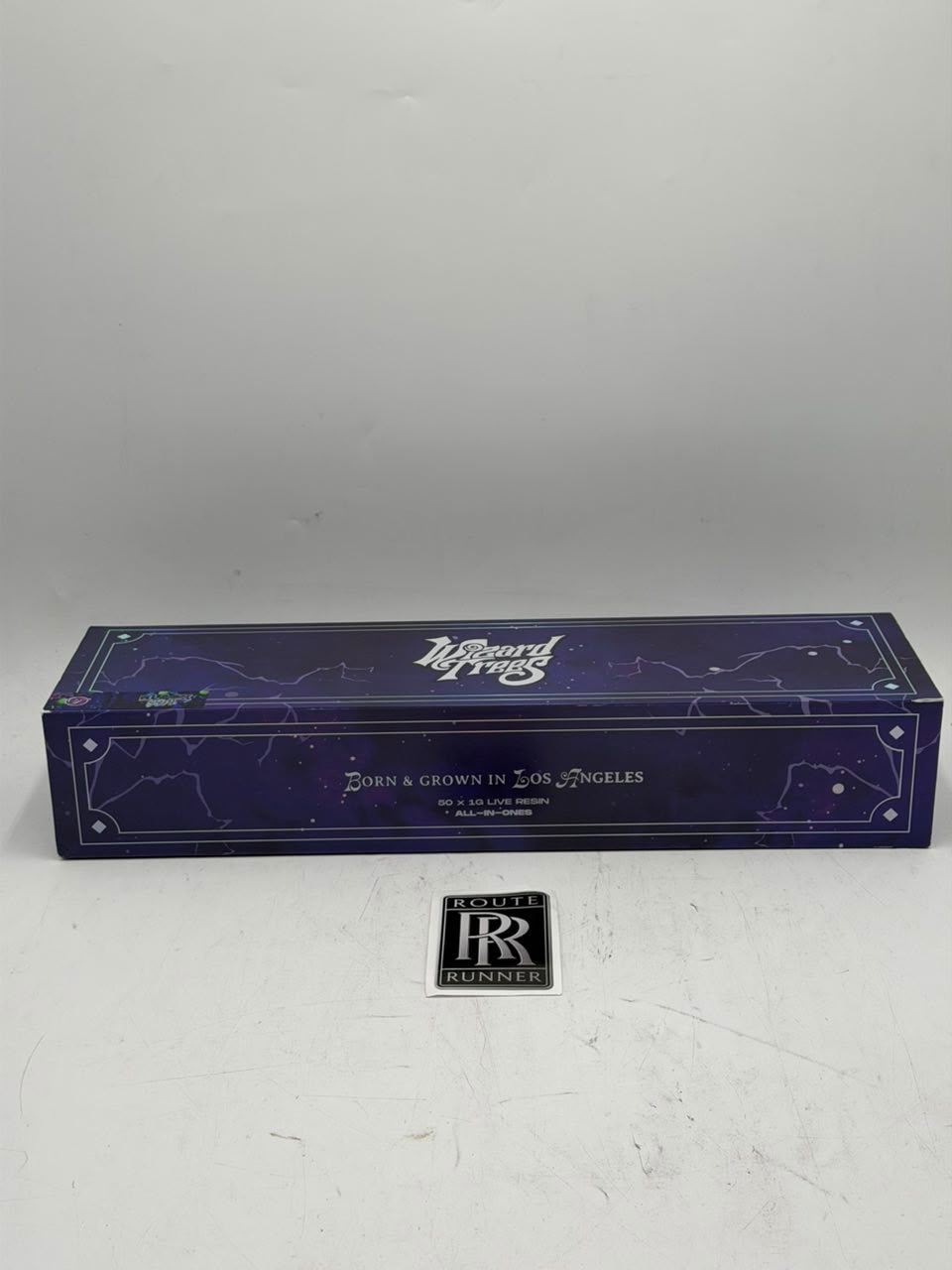
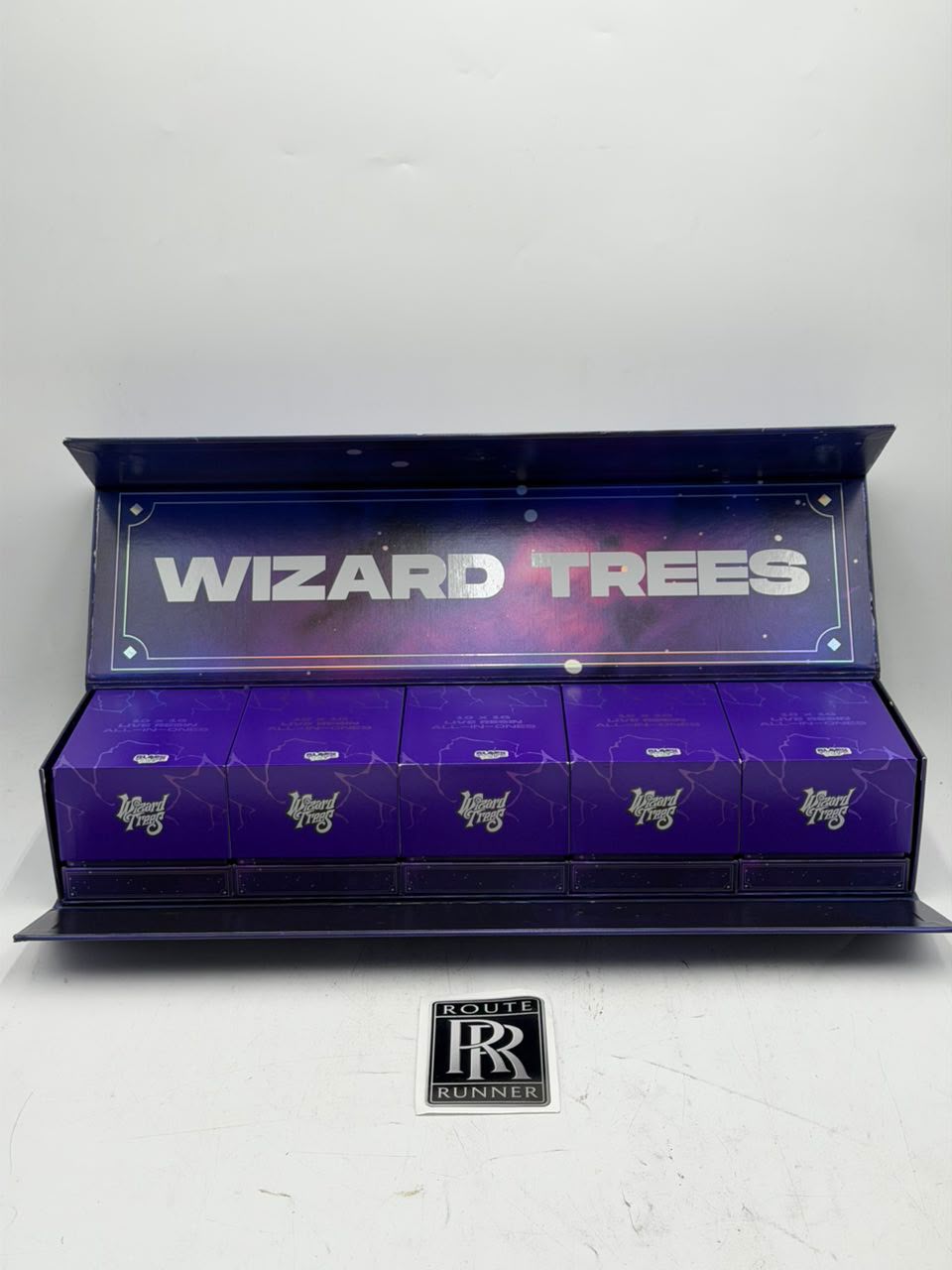

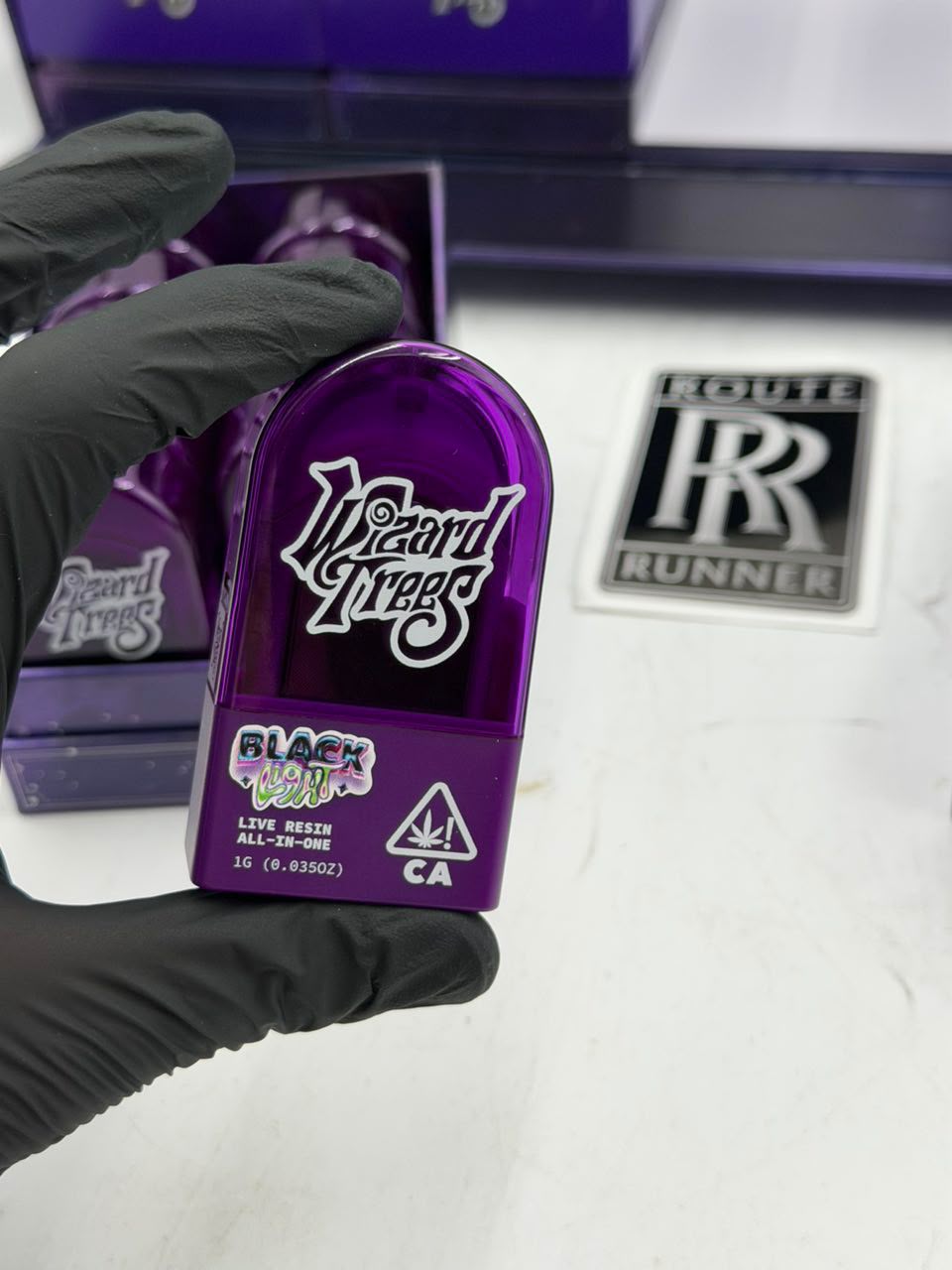
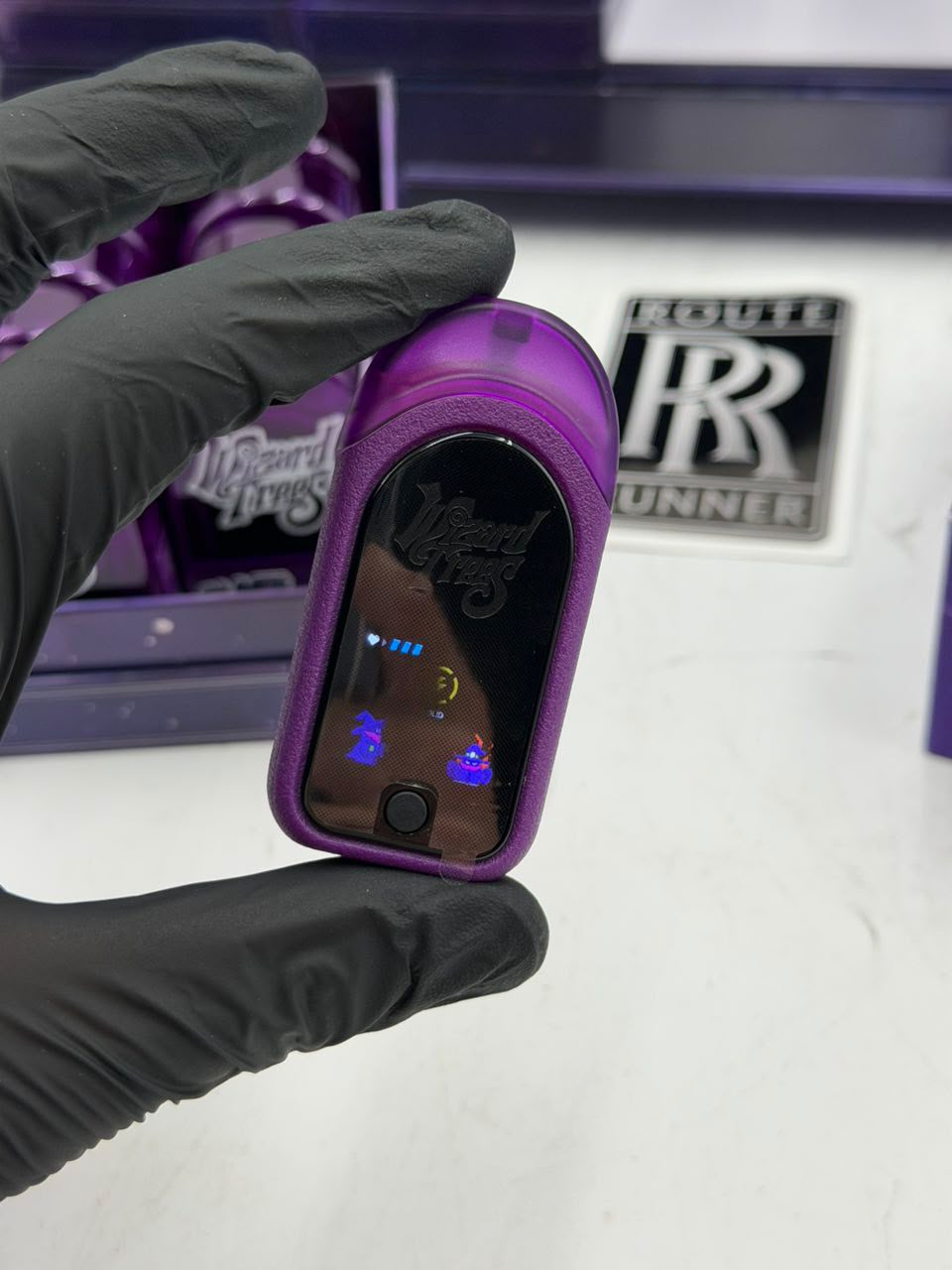
wizard trees 1g disposable Cannabis Products: A Complete Guide to Features, Labeling, Safety, and Responsible Use
wizard trees 1g disposable cannabis vape products have become a recognizable category within regulated cannabis markets. Among the many formats available, 1g disposables are particularly notable because they combine a relatively compact design with a stated one-gram oil capacity. However, the number printed on a package tells only part of the story. Consumers also need to understand cannabinoid content, ingredients, hardware, labeling, storage, and responsible-use considerations.
This guide explains what a 1g disposable cannabis product means, how these products generally work, what information consumers should look for on packaging, and which safety considerations deserve attention. It is intended for adults in jurisdictions where cannabis products are legal and regulated.
What Does “1g Disposable” Mean? wizard trees 1g disposable
The term “1g disposable” generally refers to a disposable vape device containing approximately one gram of cannabis extract or vape oil. The device combines the oil reservoir, heating element, battery, and mouthpiece into one integrated unit.
Unlike a refillable vape system, a disposable device normally does not require a separate cartridge or rechargeable battery. Once the available oil has been consumed or the battery can no longer operate the heating element, the device is typically discarded according to applicable local waste requirements.
Importantly, one gram describes the approximate quantity of oil or extract contained in the device. It does not necessarily mean that the product contains one gram of THC or another cannabinoid.
For example, a product may contain cannabis extract with a particular THC concentration, along with other cannabinoids and ingredients. Therefore, consumers should examine the cannabinoid information on the label instead of interpreting “1g” as the amount of active cannabinoid.
Understanding Cannabis Vape Oil wizard trees 1g disposable
Cannabis vape products generally contain an extract formulated for vaporization. The composition can vary substantially between products and manufacturers.
Some formulations emphasize THC, while others may contain higher concentrations of CBD or other cannabinoids. Furthermore, terpene profiles can differ, which may affect aroma and flavor.
However, consumers should avoid judging a product solely by its advertised strain name or flavor description. Laboratory testing and legally required labeling provide more useful information about what the product actually contains.
In regulated markets, packaging may provide information such as:
- Total cannabinoid content
- THC concentration
- CBD concentration
- Other measurable cannabinoids
- Batch or lot information
- Manufacturing information
- Ingredients
- Testing information
- Recommended storage conditions
- Legal warnings
- Applicable age restrictions
Consequently, reading the entire label is more informative than relying on the product name alone.
How a Disposable Cannabis Vape Works wizard trees 1g disposable
A disposable cannabis vape generally operates through a simple sequence.
First, the user activates the device, either by inhaling through the mouthpiece or, depending on the hardware, by pressing a button. Next, the battery supplies power to a heating element. The heating element warms the cannabis formulation, producing an aerosol that the user inhales.
Because the heating element interacts directly with the formulation, hardware quality matters. Manufacturing defects, contamination, damaged batteries, or unsuitable materials can create potential safety concerns.
Therefore, consumers should inspect a disposable device before use. A damaged exterior, leaking oil, unusual odor, broken mouthpiece, or other visible defect warrants caution. A device that appears compromised should not be used.
Why the 1g Format Is Common wizard trees 1g disposable
The 1g format occupies a middle ground between smaller and larger disposable products. It provides a stated quantity that many consumers recognize while keeping the device relatively compact.
Nevertheless, the practical experience can vary considerably. Battery capacity, oil viscosity, heating technology, user behavior, and hardware efficiency can all influence how long a disposable lasts.
For that reason, a stated one-gram capacity should not be treated as a guaranteed number of sessions or inhalations.
Two devices containing the same nominal quantity can produce different usage patterns. Moreover, individual consumption habits differ substantially.
Reading a Cannabis Product Label
Understanding the label is one of the most important steps when evaluating a cannabis vape.
Start with the cannabinoid information. THC and CBD are often presented as percentages, milligrams, or both, depending on the jurisdiction and product type.
THC is primarily associated with the intoxicating effects of cannabis. CBD generally does not produce the same intoxicating effect, although cannabis products can contain multiple cannabinoids and their effects may vary.
Next, check the ingredient list. A legitimate regulated product should provide relevant ingredient information in accordance with local requirements.
Consumers should also look for batch information and testing details where applicable. These details can help establish whether the product passed required quality-control procedures.
Finally, check the legal warnings and age restrictions. Cannabis laws vary by jurisdiction, so requirements regarding possession, use, transportation, and storage may differ.
Why Laboratory Testing Matters
Cannabis extracts can vary in potency and composition. Laboratory testing can therefore provide important information about a product’s contents.
Depending on the jurisdiction and testing framework, laboratories may analyze cannabinoids, contaminants, pesticides, residual solvents, heavy metals, microbial contamination, and other quality indicators.
A compliant testing system does not make cannabis risk-free. Instead, it provides consumers and regulators with information that can help identify products that fail established requirements.
Consequently, consumers should favor legally regulated products with appropriate testing and labeling rather than products of uncertain origin.
Understanding THC Potency
THC potency deserves particular attention because higher concentrations can increase the likelihood of unwanted intoxicating effects.
People can respond differently to cannabis. Factors such as previous cannabis experience, individual sensitivity, consumption pattern, concurrent substance use, and personal circumstances can influence the experience.
Additionally, inhaled cannabis can produce effects relatively quickly compared with some edible products. However, rapid onset does not eliminate the possibility of delayed or unexpectedly strong effects.
A person should therefore avoid assuming that a familiar product will affect them identically every time.
Responsible Use Considerations
Responsible cannabis use begins with understanding personal limits and local laws.
Adults who legally use cannabis should avoid driving or operating machinery while impaired. Cannabis can affect attention, reaction time, coordination, judgment, and perception.
Combining cannabis with alcohol or other intoxicating substances can also increase impairment and may create additional risks.
Furthermore, cannabis should be kept away from children and pets. A secure storage location can reduce the possibility of accidental exposure.
Consumers should also follow product-specific warnings and instructions supplied by the manufacturer and relevant regulatory authorities.
Disposable Vape Battery Safety
Although disposable vapes are designed for convenience, they contain batteries and electronic components.
Consumers should avoid deliberately damaging, crushing, puncturing, or exposing devices to extreme temperatures. A disposable device should not be modified or dismantled.
Heat exposure deserves particular attention. Leaving a battery-powered vape inside a hot vehicle or in direct sunlight can create unnecessary battery stress.
Similarly, a swollen, damaged, leaking, or unusually hot device should be treated cautiously and kept away from combustible materials.
Because disposal requirements vary, users should follow local guidance for electronic or battery-containing waste instead of automatically placing every device in household trash.
Proper Storage
Storage conditions can affect both the cannabis formulation and the device.
A disposable cannabis product should generally be kept in a cool, dry location away from direct sunlight. Excessive heat can affect the oil, while unsuitable storage can damage the hardware.
Secure storage also matters for household safety. Cannabis products should remain inaccessible to children and animals.
Keeping products in their original packaging can make it easier to identify their contents, warnings, and expiration or batch information.
Additionally, consumers should avoid transferring cannabis products into unlabeled containers.
Recognizing Potentially Problematic Products
A consumer should pay attention to signs that a product may have been damaged, improperly stored, or manufactured outside an appropriate regulatory system.
Warning signs can include:
- Missing or incomplete labeling
- Unclear cannabinoid information
- Damaged packaging
- Leaking oil
- Cracked hardware
- Unusual physical damage
- Missing batch information where legally required
- Suspiciously altered packaging
- Unclear manufacturing origin
- Claims that appear inconsistent with applicable regulations
These signs do not automatically prove that a product is unsafe. However, they justify additional caution.
Products obtained through unregulated channels may lack reliable testing, accurate potency information, or appropriate manufacturing controls.
Disposable Versus Refillable Vapes
Disposable and refillable cannabis vape systems have different characteristics.
A disposable device generally offers simplicity because the battery and cartridge are integrated. There is no need to purchase a separate battery or refill the reservoir.
By comparison, a refillable or reusable system may allow greater flexibility. Depending on the design, users may be able to replace cartridges or refill compatible hardware.
However, reusable systems also require additional maintenance and compatibility considerations.
Neither format should automatically be considered safer solely because of its design. Product quality, manufacturing standards, ingredients, hardware integrity, and responsible use remain important factors.
Environmental Considerations
Disposable products generate electronic and material waste because the entire device is designed for limited use.
The battery, electronics, reservoir, mouthpiece, and remaining materials may all require disposal. Therefore, consumers should consider local recycling or hazardous-waste guidance when available.
Some jurisdictions have specific rules for electronic devices containing batteries. Others may provide dedicated collection programs.
Rather than placing a disposable vape into an ordinary recycling bin without checking local requirements, consumers should consult their municipal waste authority or an appropriate recycling program.
Why Product Origin Matters
Cannabis regulations differ from one jurisdiction to another. Products sold legally in one market may not meet the requirements of another.
For this reason, consumers should verify that a product is legally available in their jurisdiction.
Regulated markets generally impose requirements concerning manufacturing, testing, packaging, labeling, advertising, and age restrictions. Those requirements exist to create greater consistency and accountability within the legal supply chain.
Products purchased outside regulated channels may not provide the same level of transparency.
Understanding Terpenes
Terpenes are naturally occurring aromatic compounds found in cannabis and many other plants.
They contribute to aroma and flavor and can help explain why different cannabis extracts smell or taste different.
However, consumers should be cautious about treating terpene profiles as guarantees of particular effects. Marketing language can sometimes oversimplify the relationship between chemical composition and subjective experience.
A more useful approach involves considering the complete product profile, including cannabinoid concentrations, ingredients, testing information, and individual response.
Common Misconceptions About 1g Disposables
One common misconception is that a 1g device contains one gram of THC. Usually, the “1g” designation refers to the quantity of extract or formulation, not pure THC.
Another misconception is that all 1g disposable products provide the same experience. In reality, formulations, cannabinoid concentrations, terpene profiles, hardware, and manufacturing processes can differ.
Some consumers also assume that disposable products are automatically safer because they are simple to operate. Simplicity does not eliminate risks associated with cannabis impairment, battery-powered electronics, or product contamination.
Finally, a familiar product name does not guarantee authenticity. Packaging and branding can potentially be copied, which makes legal sourcing and appropriate labeling particularly important.
Questions Consumers Should Ask
Before using any cannabis vape product, consumers can consider several questions.
Is the product legal in my jurisdiction?
Does the packaging provide the required information?
Is the cannabinoid content clearly identified?
Are ingredients disclosed?
Is there evidence of required laboratory testing?
Does the hardware appear intact?
Has the product been stored appropriately?
Are there clear warnings and instructions?
Can the product be securely stored away from children and pets?
Answering these questions can help consumers make more informed decisions.
Effects and Individual Differences
Cannabis affects people differently. Some individuals may experience relaxation or altered perception, while others may experience anxiety, dizziness, impaired concentration, or other unwanted effects.
Previous experience does not guarantee a predictable response. A person’s response can also vary depending on the product’s potency and other circumstances.
If someone experiences concerning or severe symptoms after cannabis use, they should seek appropriate medical assistance or contact a local poison-control or emergency service when warranted.
People who take medications or have concerns about possible interactions should consult a qualified healthcare professional rather than relying solely on product marketing or online claims.
Cannabis and Driving
One of the clearest responsible-use principles is to avoid driving while impaired.
Cannabis can affect reaction time, coordination, attention, and judgment. The fact that a person feels capable of driving does not necessarily mean their driving ability has returned to normal.
Legal impairment rules also vary between jurisdictions. Therefore, consumers should understand the laws where they live and avoid operating vehicles or machinery when impaired.
Planning transportation in advance can reduce unnecessary risk.
Keeping Cannabis Away From Children
Cannabis products should be stored securely and separately from ordinary household items.
Disposable vape devices can be particularly easy to overlook because of their small size. Nevertheless, they may contain concentrated cannabis extract and should never be treated as ordinary consumer electronics.
Parents, guardians, and other adults responsible for children should use secure storage practices and follow local recommendations.
Pets also require protection from accidental cannabis exposure. If a pet may have consumed cannabis, veterinary advice should be sought promptly.
Choosing Information Over Marketing
Cannabis product descriptions can contain numerous terms designed to attract attention. However, marketing language does not replace objective product information.
When evaluating a product, prioritize measurable details such as cannabinoid content, ingredients, batch information, testing, and regulatory compliance.
Similarly, be cautious about unsupported claims regarding medical benefits, guaranteed effects, or unusually precise predictions about how a product will feel.
A responsible product description should distinguish between verified information and subjective or promotional language.
wizard trees 1g disposable wizard trees 1g disposable wizard trees 1g disposable wizard trees 1g disposable wizard trees 1g disposable wizard trees 1g disposable wizard trees 1g disposable wizard trees 1g disposable wizard trees 1g disposable wizard trees 1g disposable wizard trees 1g disposable wizard trees 1g disposable wizard trees 1g disposable wizard trees 1g disposable.
Frequently Asked Questions
What does 1g mean on a disposable cannabis vape?
It generally indicates that the device contains approximately one gram of cannabis extract or vape formulation. It does not mean the device contains one gram of THC.
How long does a 1g disposable last?
There is no universal answer. Usage patterns, device design, oil formulation, inhalation behavior, and individual consumption habits can all affect how long a device lasts.
Are disposable cannabis vapes rechargeable?
Some disposable devices may include rechargeable batteries, while others are designed for single-use operation. Consumers should follow the manufacturer’s instructions rather than assuming that every disposable device has the same design.
Can cannabis vapes be stored anywhere?
Storage should generally involve a cool, dry environment away from direct sunlight, children, pets, and excessive heat. Product-specific storage instructions should take priority.
Are all cannabis vape products tested?
Testing requirements vary by jurisdiction and supply chain. Products sold through regulated markets generally face specific testing requirements, whereas products obtained through unregulated channels may not receive equivalent testing.
Does a higher THC percentage mean a better product?
Not necessarily. Higher potency can increase the likelihood of unwanted intoxicating effects. Product quality involves more than THC concentration and should also be considered alongside testing, ingredients, manufacturing standards, and individual circumstances.
Can cannabis vapes be taken across borders?
Cannabis laws vary considerably between countries and jurisdictions. Crossing borders with cannabis products can create serious legal issues, even when cannabis is legal where the journey begins or ends. Travelers should consult current official government guidance before transporting cannabis.
Final Considerations
A 1g disposable cannabis product is primarily a convenient hardware format for delivering cannabis extract through vaporization. Nevertheless, the simple appearance of a disposable device should not obscure the importance of product quality, accurate labeling, responsible use, and safe storage.
The “1g” designation describes quantity rather than potency. Therefore, consumers should examine cannabinoid information and other label details before making assumptions about a product.
Likewise, legal sourcing and appropriate laboratory testing can provide greater transparency than products obtained through uncertain channels. Hardware condition matters too, particularly because disposable devices contain batteries and electronic components.
Ultimately, informed cannabis use depends on more than a product name or marketing description. Consumers should consider the complete product profile, understand local regulations, follow safety instructions, protect children and pets, and avoid driving while impaired.


Reviews
There are no reviews yet.