

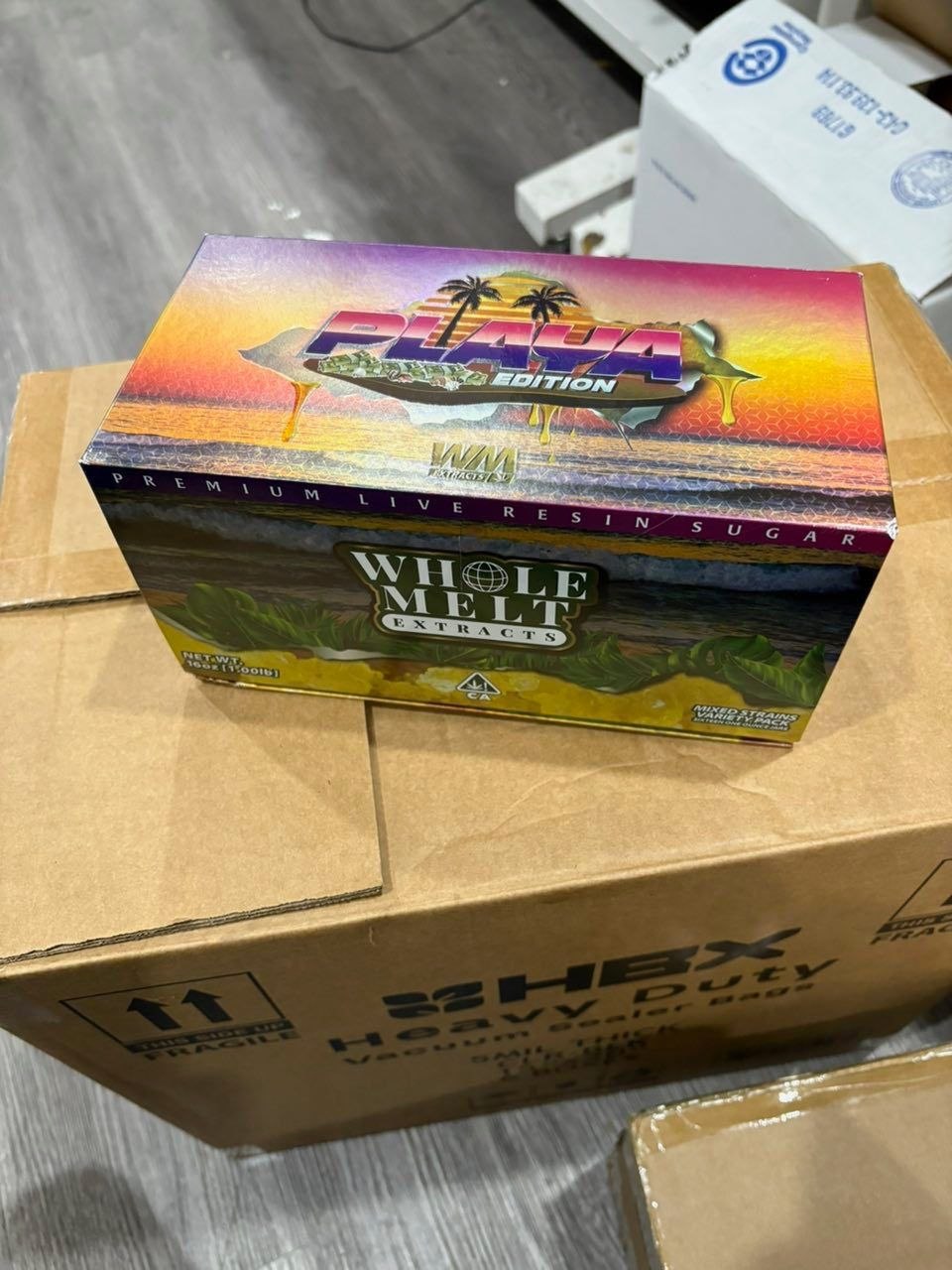
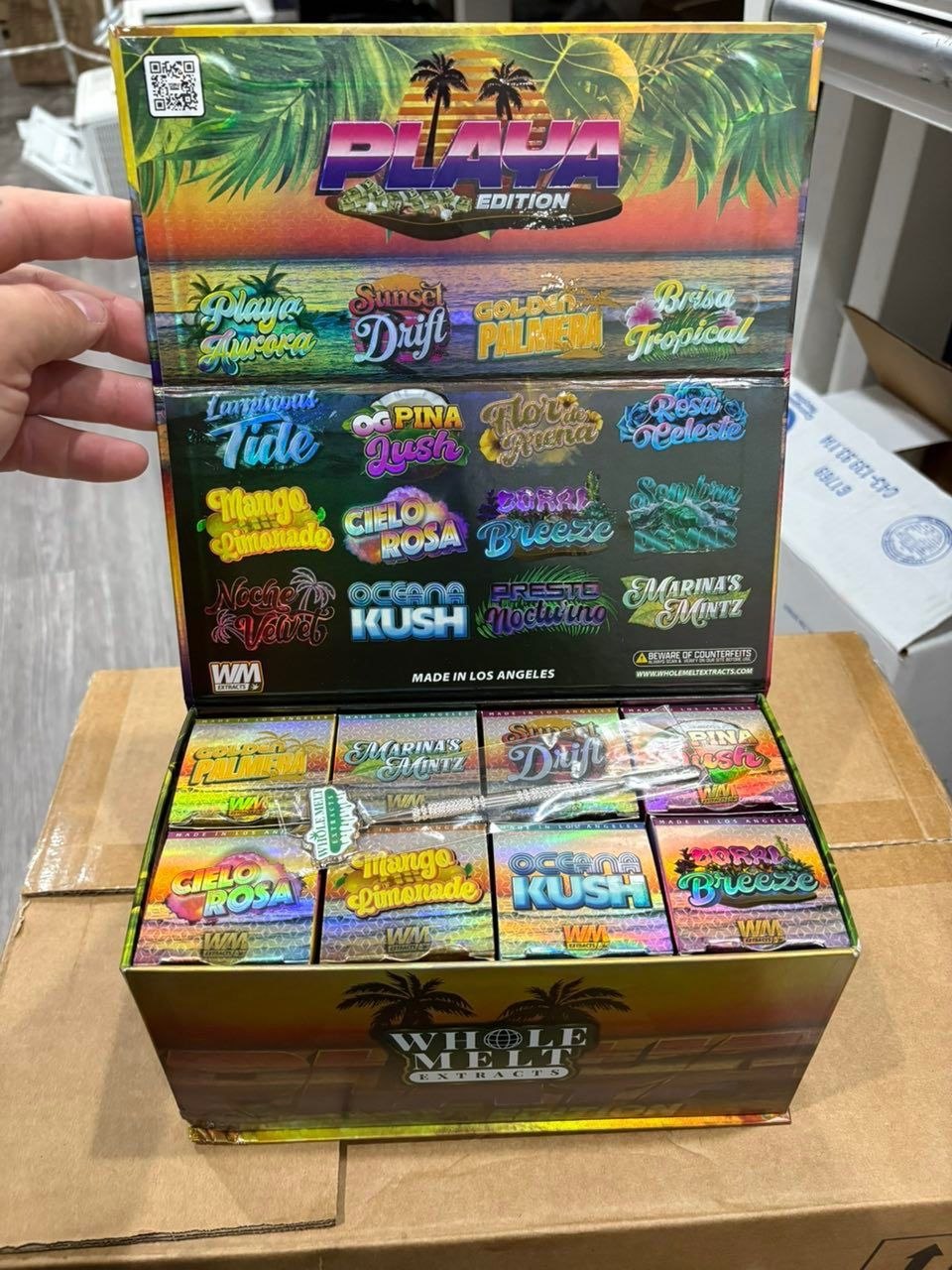
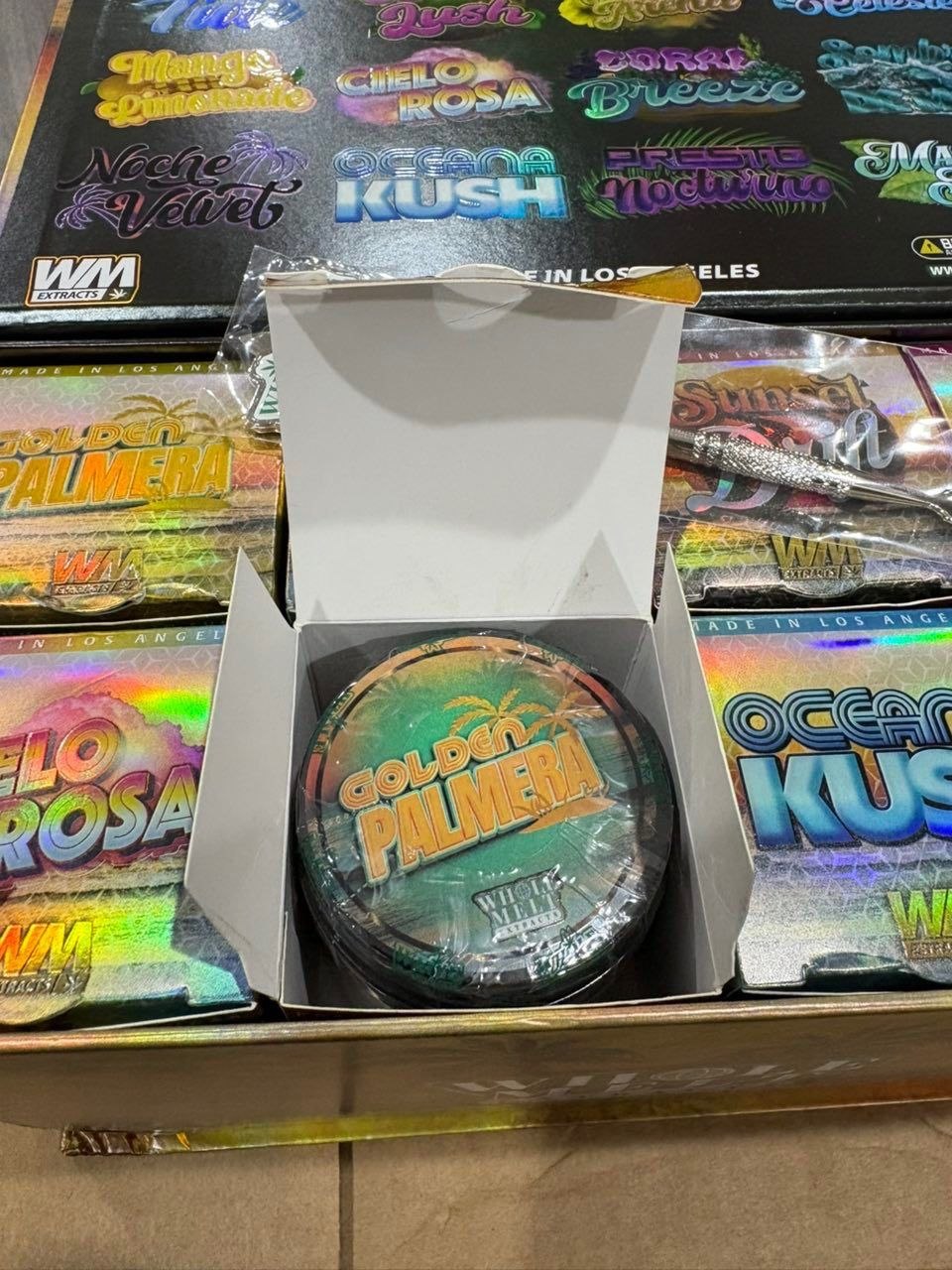


Whole Melt Extracts Player Edition: Product Information Overview
Introduction
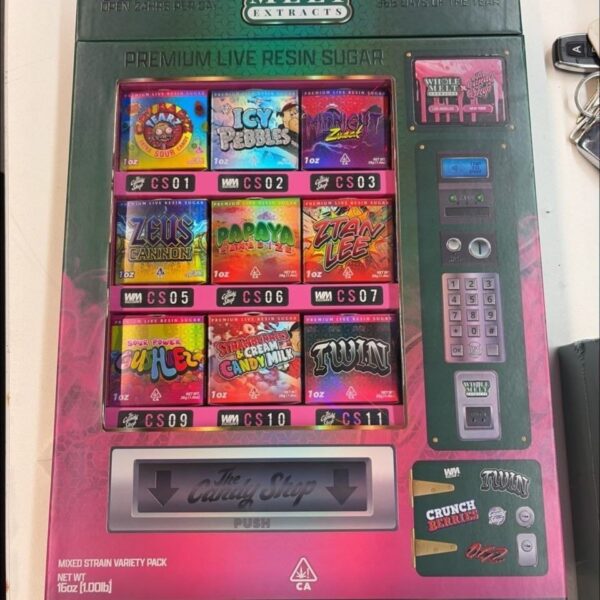
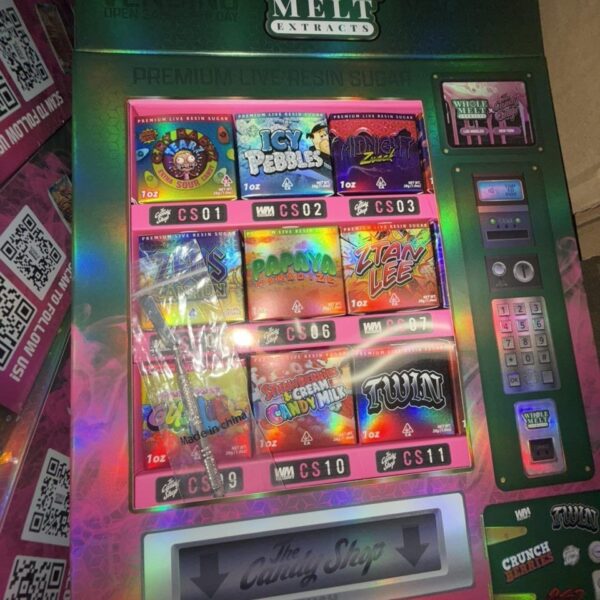
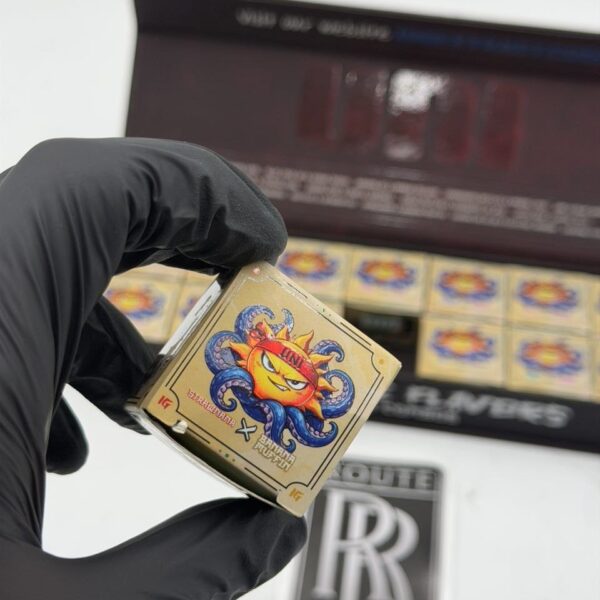
whole melt extracts player edition is a product name associated with a cannabis-extract product or product line. However, the name alone does not establish the exact formulation, cannabinoid concentration, ingredients, extraction method, manufacturing location, package size, or laboratory results.
The phrase “Whole Melt Extracts” appears to identify a brand or product line, while “Player Edition” appears to distinguish a particular edition or variant. Nevertheless, those terms should not be treated as technical specifications without supporting documentation.
For that reason, an accurate description should separate confirmed information from assumptions. Product labels, manufacturer documentation, batch information, and applicable laboratory reports provide a more reliable basis for describing the product.
If the product contains THC, additional health and regulatory considerations apply. THC can impair attention, coordination, judgment, memory, and reaction time. Consequently, product information should communicate those considerations clearly rather than presenting an intoxicating product solely through marketing language.
This overview explains the terminology associated with the product, discusses documentation and quality considerations, and provides a framework for writing accurate product information without making unsupported claims.
Understanding the Product Name
Product names frequently combine a brand identity with a product category and edition name.
In this case, Whole Melt Extracts appears to identify the brand or product family. The word “extracts” suggests a concentrated cannabis formulation, although the exact extract type should be confirmed from the packaging.
The term Player Edition appears to identify a specific edition or variation. However, the name itself does not establish the product’s potency, cannabinoid profile, ingredients, or intended formulation.
Therefore, the product name should be regarded as an identification starting point rather than a complete specification sheet.
A detailed listing should obtain additional information from the physical package or official product documentation before making specific claims.
What Is a Cannabis Extract?
A cannabis extract is a concentrated preparation derived from cannabis plant material.
Extraction can involve different techniques, and the resulting products can vary substantially in consistency, cannabinoid content, terpene composition, and physical appearance.
Some concentrates are produced using solvents, while others use mechanical or heat-based processes.
Consequently, the word “extract” alone does not reveal the precise production method.
A product description should therefore identify the extraction method only when the manufacturer has documented it.
This distinction is important because consumers may otherwise interpret general terminology as a guarantee about production standards or purity.
Understanding “Whole Melt”
The phrase “whole melt” is commonly used within cannabis concentrate terminology to describe certain concentrate qualities and textures.
However, terminology can be used inconsistently across informal marketplaces.
Therefore, the phrase should not automatically be treated as a laboratory classification or a standardized certification.
The actual product should be evaluated through its label, manufacturer information, and laboratory documentation.
If the packaging provides a specific concentrate type, that information can be included directly.
Otherwise, it is safer to describe the product simply as an extract without assigning a more specific technical category.
The Meaning of “Player Edition”
“Player Edition” appears to function primarily as an edition or branding designation.
The name may distinguish one product presentation from another, but its exact significance cannot be established without manufacturer information.
For example, an edition name does not automatically indicate a particular potency, flavor, strain, extraction method, or hardware configuration.
Consequently, those characteristics should not be inferred from the phrase alone.
A responsible description can state that Player Edition identifies the particular product variant while leaving undocumented specifications unassigned.
Product Form
The physical form of Whole Melt Extracts Player Edition should be confirmed before publication.
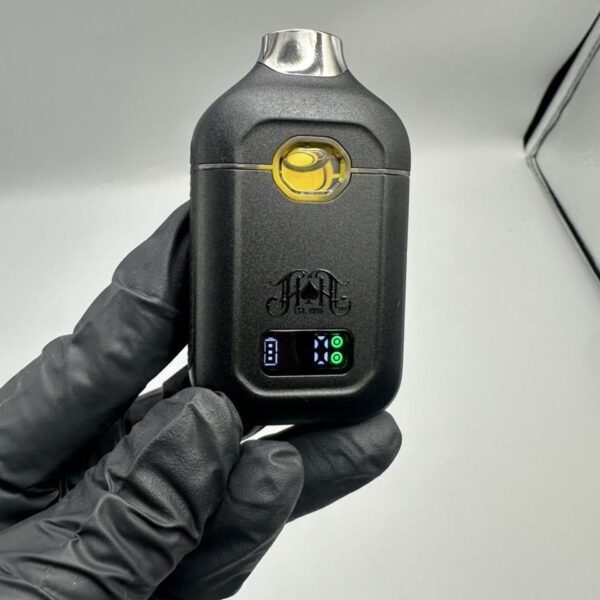
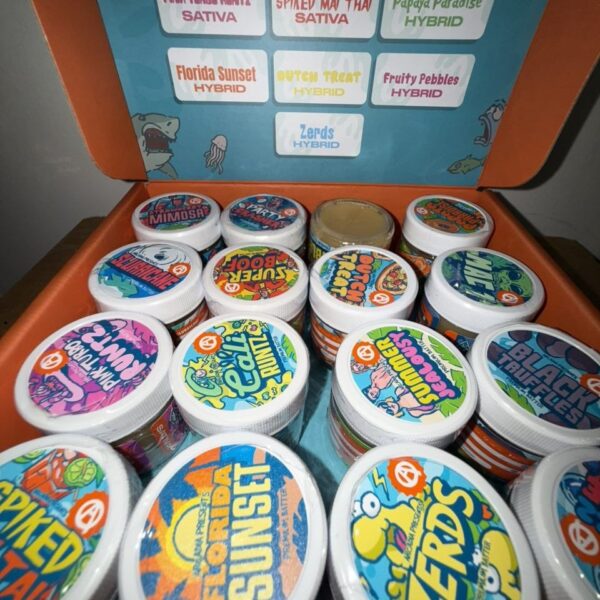
Cannabis extracts can be presented in jars, cartridges, disposable devices, containers, or other formats.
Each format has different handling and storage considerations.
Therefore, a product description should identify whether the item is a concentrate, edible, vaporizer product, topical formulation, or another category.
The product name alone does not provide enough information to make that determination with certainty.
Net Quantity
Net quantity is separate from potency.
If the package specifies a particular weight, that measurement can be included in the product listing.
However, the weight does not indicate how much THC the product contains.
For example, a two-gram concentrate contains approximately two grams of total material, not two grams of THC.
The cannabinoid concentration must be established independently.
Consequently, product quantity and cannabinoid potency should always appear as separate specifications.
Cannabinoid Profile
Cannabis products can contain numerous cannabinoids.
THC is the cannabinoid most closely associated with intoxication, while CBD is another well-known cannabinoid that does not produce the same intoxicating effects as THC.
Other cannabinoids can include CBG, CBN, CBC, THCV, THCA, and additional compounds.
The exact cannabinoid profile of Whole Melt Extracts Player Edition cannot be established from its name alone.
Therefore, a current label or batch-specific laboratory report should be consulted before listing cannabinoid percentages.
THC Potency
THC potency refers to the concentration of THC in the product.
It is not synonymous with product weight.
Furthermore, potency can vary between product variants and production batches.
Consequently, a generic description should avoid assigning a universal THC percentage to Whole Melt Extracts Player Edition.
Instead, the exact percentage should be taken from current packaging or verified laboratory documentation.
This approach also helps distinguish the product from similarly named formulations that may have different cannabinoid profiles.
THCA and Laboratory Reporting
Laboratory reports may identify both THC and THCA.
THCA is an acidic cannabinoid that can convert to THC when exposed to heat.
Because laboratories can use different reporting conventions, cannabinoid figures should be interpreted according to the applicable testing methodology.
Therefore, a product description should not casually combine cannabinoid percentages without understanding how the laboratory calculated its reported values.
The original certificate of analysis provides the most appropriate reference when detailed cannabinoid information is required.
Terpenes
Terpenes are aromatic compounds found in cannabis and many other plants.
They contribute to aroma and flavor and can vary considerably between cannabis cultivars and extracts.
However, a product name does not establish a particular terpene profile.
If the manufacturer provides terpene information, those compounds can be identified accurately.
Otherwise, a description should avoid promising specific aromas or flavors.
Likewise, the presence of a terpene should not be presented as proof that a product produces a particular medical or psychological effect.
Flavor Descriptions
Flavor descriptions are sensory observations rather than laboratory measurements.
Terms such as citrus, berry, pine, earth, spice, fruit, or floral may be used when they accurately describe a documented product profile.
However, Whole Melt Extracts Player Edition should not be assigned a specific flavor profile unless the relevant variant has been identified.
Different formulations can have significantly different aromatic characteristics.
Therefore, flavor information should be connected to the exact product variant and, where appropriate, its documented terpene composition.
Appearance and Texture
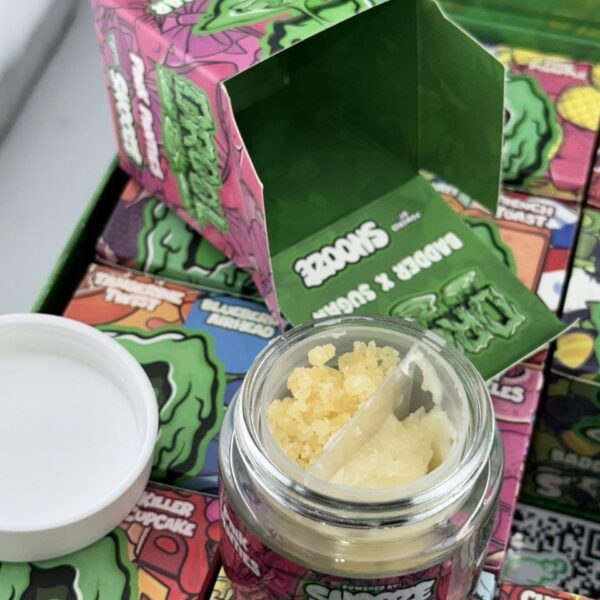
Cannabis concentrates can display different colors and textures.
Depending on the formulation and storage conditions, an extract may appear translucent, opaque, golden, amber, pale, dark, creamy, sticky, or semi-solid.
Nevertheless, visual appearance does not establish potency or purity.
Temperature can also influence texture.
A concentrate may become softer in a warm environment and firmer when cooled.
Consequently, appearance should be described objectively rather than used as evidence of quality.
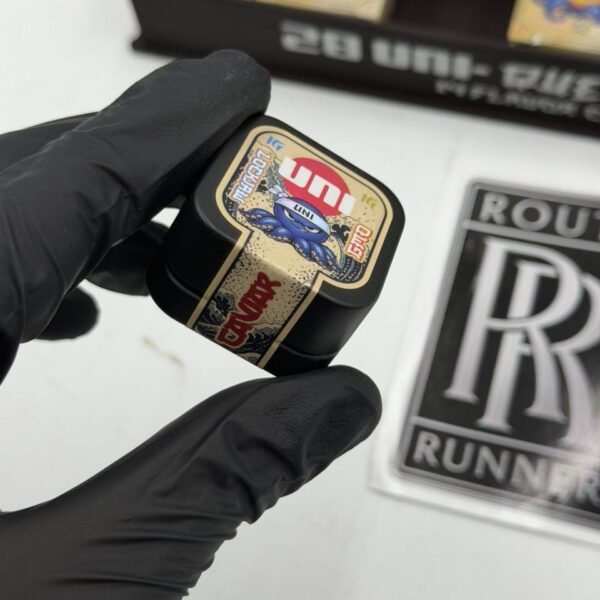
Packaging
Packaging serves several important functions.
First, it protects the contents.
Second, it provides product identification.
Third, it communicates information required by the applicable regulatory framework.
Depending on the jurisdiction, packaging may include:
- Product name
- Net quantity
- Cannabinoid concentration
- Ingredients
- Batch or lot number
- Manufacturer
- Testing information
- Warnings
- Production or packaging date
- Storage instructions
Therefore, the package should be reviewed carefully before creating a definitive description.
Ingredient Information
Ingredient transparency is particularly important for concentrated products.
The exact ingredients of Whole Melt Extracts Player Edition should be obtained from the current package or manufacturer documentation.
Depending on the formulation, an extract may contain cannabinoids, naturally occurring terpenes, added terpenes, flavoring components, or other substances.
However, none of these ingredients should be attributed to the product without evidence.
Consequently, a reliable listing should reproduce verified ingredient information rather than relying on assumptions based on similar products.
Laboratory Testing
Laboratory testing can provide information that product branding cannot establish.
Testing may evaluate cannabinoid concentrations and, depending on local requirements, potential contaminants.
Possible testing categories include:
- Cannabinoid potency
- Pesticides
- Heavy metals
- Microbial contamination
- Residual solvents
- Other regulated contaminants
Therefore, laboratory testing can help provide a more complete picture of a cannabis extract.
However, the results should correspond to the relevant product and batch.
Certificate of Analysis
A certificate of analysis, or COA, is a laboratory document describing test results for a particular sample.
A useful COA may identify the laboratory, sample number, batch or lot number, testing date, analytical methods, cannabinoid results, and contaminant results.
The document should ideally correspond to the package being evaluated.
Furthermore, a COA from one production batch should not automatically be presented as evidence for every product sold under the same name.
Batch-specific verification therefore provides stronger documentation.
Authenticity
Authenticity is an important consideration for branded cannabis products.
A recognizable name or logo does not independently prove that a product originated from the stated manufacturer.
Instead, authenticity can be evaluated through packaging, batch information, manufacturer documentation, laboratory records, and authorized distribution information.
Consequently, inconsistencies between the package and available documentation should be investigated rather than overlooked.
Traceability
Traceability allows a product to be connected with its manufacturing and testing records.
A batch number or lot number can help establish that relationship.
For example, a laboratory report associated with a particular lot can provide more useful evidence than a generic report with no corresponding product identification.
Therefore, retaining package information can be valuable for product verification.
Quality Control
Quality control extends beyond potency testing.
It can involve raw-material selection, sanitation, equipment maintenance, processing procedures, packaging controls, labeling, storage, and laboratory analysis.
Each stage can influence the final product.
Consequently, a product should not be described as “high quality” solely because it has a particular appearance or cannabinoid concentration.
Objective documentation provides a stronger foundation for quality-related statements.
Storage Considerations
Cannabis extracts can be affected by environmental conditions.
Heat, light, oxygen, and moisture may influence certain formulations over time.
Therefore, products should be stored according to manufacturer instructions.
The original container should generally be kept closed when the product is not being handled.
Furthermore, cannabis products containing THC should be secured away from children and unauthorized individuals.
Appropriate storage protects both the product and the people who may encounter it.
Temperature
Temperature can influence the physical properties of concentrates.
Warm conditions may soften some formulations, while cooler conditions can make them firmer.
Consequently, a texture change does not automatically indicate that a product has become unusable.
However, leakage, damaged packaging, visible contamination, or unusual changes should be treated differently.
Consumers should follow product-specific storage instructions rather than attempting to alter a concentrate through improvised heating or cooling.
Potential Effects of THC
If Whole Melt Extracts Player Edition contains THC, it may cause intoxicating effects.
Potential effects can include altered perception, euphoria, drowsiness, reduced attention, changes in time perception, impaired coordination, and changes in judgment.
Some individuals can also experience anxiety, paranoia, panic, confusion, or other unpleasant effects.
The CDC states that cannabis can affect memory, attention, decision-making, coordination, and reaction time.
Therefore, product descriptions should avoid guaranteeing a particular experience.
Individual responses can differ substantially, even when two people use products with similar laboratory profiles.
Impairment
Impairment is an important consideration for THC-containing products.
Activities that require concentration, coordination, rapid reactions, or judgment can become more difficult during intoxication.
Driving is especially significant because it combines all of these skills.
Consequently, a person who is impaired by cannabis should not drive or operate machinery.
Combining cannabis with alcohol or other intoxicating substances can further increase impairment.
Applicable laws concerning cannabis and driving should also be followed.
Respiratory Considerations
If the Player Edition product is intended for inhalation, respiratory considerations become relevant.
Vaporizer products deliver aerosolized material into the respiratory system.
Although vaporization differs from combustion, that distinction does not mean that inhalation is risk-free.
The 2019 EVALI outbreak demonstrated serious health concerns associated with certain vaping products, particularly products containing THC and vitamin E acetate.
Therefore, a product should not be described as completely safe merely because it is vaporized instead of smoked.
Ingredient transparency and appropriate manufacturing controls remain important.
Possible Adverse Reactions
Cannabis can produce unwanted effects.
Depending on the individual and product, possible reactions include anxiety, paranoia, confusion, panic, increased heart rate, hallucinations, and severe nausea or vomiting.
The likelihood of these effects can vary according to factors such as THC concentration, individual sensitivity, prior experience, and concurrent substance use.
Therefore, unexpected or severe symptoms should not be ignored.
Appropriate medical assistance should be sought in the event of a serious medical emergency.
Cannabis Use Disorder
Cannabis use can become problematic for some individuals.
The CDC reports that approximately three in ten people who use cannabis may develop cannabis use disorder, although individual risk varies.
Warning signs can include unsuccessful attempts to reduce use, continued use despite negative consequences, and cannabis use interfering with responsibilities or important activities.
Consequently, product information should avoid suggesting that frequent or high-potency use is inherently desirable.
Mental Health Considerations
Cannabis can influence mood, perception, and cognition.
Some individuals report pleasant experiences, whereas others may experience anxiety, paranoia, panic, or confusion.
Research has also identified associations between cannabis use and several mental-health outcomes.
However, these relationships are complex.
Therefore, Whole Melt Extracts Player Edition should not be presented as a treatment for depression, anxiety, insomnia, stress, or other medical conditions without appropriate evidence and authorization.
Age Restrictions
Cannabis products containing intoxicating cannabinoids are subject to age restrictions in regulated markets.
The precise requirements vary by jurisdiction.
Therefore, retailers and consumers should follow applicable local laws.
Furthermore, cannabis products should not be marketed toward children or adolescents.
Product communication should comply with restrictions concerning advertising placement, imagery, language, and audience.
Pregnancy and Breastfeeding
Cannabis exposure during pregnancy raises additional health concerns.
THC can reach a developing fetus, and public-health guidance recommends avoiding cannabis during pregnancy.
Cannabinoids can also be transferred through breast milk.
Consequently, THC-containing products should not be presented as appropriate for pregnancy or breastfeeding.
Individuals who are pregnant, planning pregnancy, or breastfeeding should discuss cannabis exposure with a qualified healthcare professional.
Child Safety
Cannabis products should be kept securely away from children.
Children may not recognize that a concentrate contains an intoxicating substance.
Therefore, the product should remain in appropriate packaging and be stored in a secure location.
The CDC recommends keeping cannabis products in locked, childproof containers and out of children’s sight and reach.
Secure storage also preserves product labels and batch information.
Product Documentation Checklist
Before publishing a detailed description of Whole Melt Extracts Player Edition, the following information should be verified: whole melt extracts player edition whole melt extracts player edition whole melt extracts player edition whole melt extracts player edition whole melt extracts player edition whole melt extracts player edition whole melt extracts player edition whole melt extracts player edition whole melt extracts player edition whole melt extracts player edition whole melt extracts player edition whole melt extracts player edition whole melt extracts player edition whole melt extracts player edition whole melt extracts player edition.
- Exact product name
- Product category
- Net quantity
- Cannabinoid profile
- THC concentration
- CBD concentration
- Other cannabinoids
- Ingredients
- Terpene information
- Extraction method
- Batch or lot number
- Laboratory results
- Manufacturer information
- Storage requirements
- Required warnings
- Applicable regulatory information
This checklist reduces the possibility of unsupported claims.
Suggested Specification Format
Product name: Whole Melt Extracts Player Edition
Product category: Cannabis extract, if confirmed
Edition: Player Edition
Net quantity: Confirm from current packaging
Extraction type: Confirm from manufacturer documentation
THC concentration: Confirm from current laboratory documentation
CBD concentration: Confirm where applicable
Other cannabinoids: Confirm through the applicable COA
Ingredients: Refer to current product packaging
Terpene profile: Confirm for the specific variant
Batch or lot: Refer to package
Laboratory testing: Verify through batch-specific documentation
Manufacturer: Confirm through packaging or official documentation
Storage: Follow manufacturer instructions
Legal requirements: Follow applicable local regulations
This format separates verified specifications from information that still requires confirmation.
Why Exact Product Identification Matters
Product names can be similar even when formulations are different.
One product may be a concentrate in a jar, while another may be an inhalation device.
Likewise, two products from the same brand can contain different cannabinoid concentrations and terpene profiles.
Consequently, a generic description should not combine specifications from multiple variants.
Exact identification is especially important when publishing potency information.
Product Claims
A factual description should distinguish between measurable information and subjective marketing language.
For example, a laboratory report can establish a cannabinoid concentration.
However, words such as “premium,” “elite,” “powerful,” or “best” are subjective.
Likewise, a product name such as “Player Edition” does not independently prove that the formulation is more potent or higher quality than another product.
Therefore, objective language generally provides a more reliable basis for product information.
whole melt extracts player edition whole melt extracts player edition whole melt extracts player edition whole melt extracts player edition whole melt extracts player edition whole melt extracts player edition whole melt extracts player edition whole melt extracts player edition whole melt extracts player edition whole melt extracts player edition whole melt extracts player edition whole melt extracts player edition whole melt extracts player edition whole melt extracts player edition whole melt extracts player edition.
Consumer Transparency
Transparency is particularly important for products containing intoxicating cannabinoids.
Readers benefit from knowing what a product contains, how much material is present, whether laboratory testing is available, and what warnings apply.
Furthermore, clear labeling can help distinguish documented information from assumptions.
Consequently, product descriptions should prioritize accuracy over exaggerated claims.
If information cannot be verified, it should be identified as unavailable rather than invented.
Responsible Product Information
Responsible product information does not need to be complicated.
A clear description can explain the product category, package quantity, cannabinoid information, ingredients, testing status, storage instructions, and relevant warnings.
At the same time, it should avoid unsupported medical claims.
This approach makes the description easier to understand while maintaining factual accuracy.
Final Overview
Whole Melt Extracts Player Edition appears to identify a particular cannabis-extract product or edition. However, the product name alone does not establish its exact formulation, potency, ingredients, extraction process, package size, or laboratory results.
The phrase Whole Melt Extracts appears to identify the broader product or brand family, while Player Edition appears to distinguish a particular edition.
Nevertheless, neither term should be treated as a substitute for technical documentation.
The most important product specifications should be obtained from the current package and, where available, a batch-specific certificate of analysis.
Those specifications can include net quantity, THC concentration, CBD concentration, other cannabinoids, ingredients, terpene information, extraction method, manufacturing information, and laboratory-testing results.
If the product contains THC, potential impairment should also be clearly acknowledged. THC can affect attention, coordination, judgment, memory, and reaction time.
Furthermore, cannabis concentrates can contain substantial cannabinoid concentrations, making accurate labeling especially important.
Storage and child safety should also be considered. Products should be kept appropriately secured, and manufacturer instructions should be followed for storage and handling.
Ultimately, the strongest product description is based on verified information. A product name provides identification, but documentation provides evidence.
When specifications are confirmed, they can be presented clearly. When characteristics vary between batches or editions, that variation should be explained. And when information is unavailable, it should not be invented.







Reviews
There are no reviews yet.